Rolls-Royce Project Nightingale Begins Its Global Testing Programme
Rolls-Royce puts Project Nightingale through 350 weeks of testing, from the Arctic Circle to Arabian deserts: a Coachbuild Collection of only 100 electric cars.
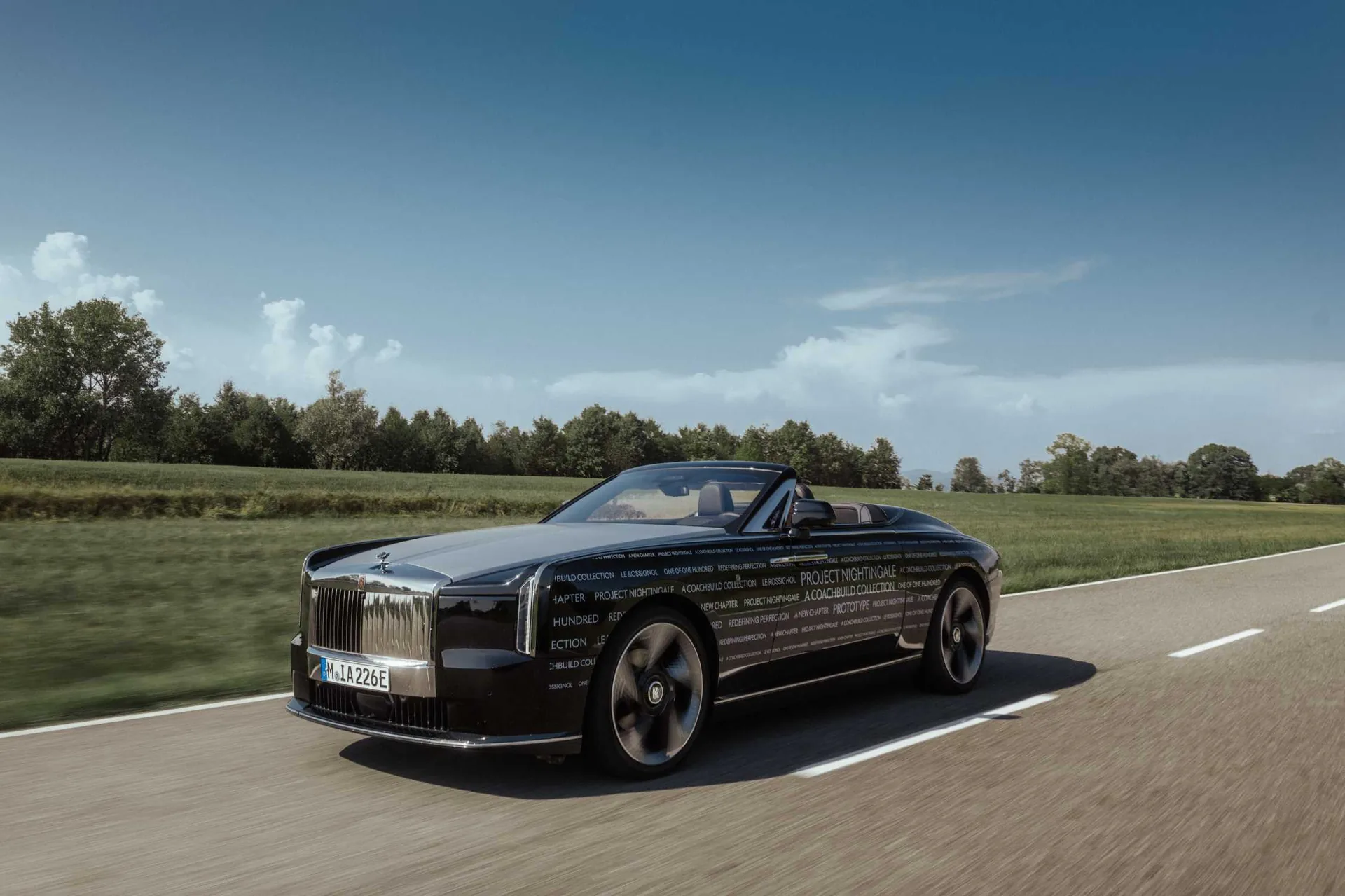
Rolls-Royce Motor Cars has moved Project Nightingale out of the studio and onto the road. Prototypes of the Coachbuild Collection, which is limited to 100 cars built for clients, have started a worldwide testing programme. The Goodwood marque first announced the project in April 2026, pairing the design freedom of coachbuilding with its all-electric powertrain and presenting the result as a preview of what the brand can do next. The people who commissioned the cars were clear from day one: they intend to drive them, all over the world. The test schedule is built around that promise.
350 weeks from the Arctic Circle to the desert
Engineers have set aside 350 collective weeks for the programme. The prototypes will cover Mediterranean coast roads, the Arctic Circle and the deserts of the Arabian Peninsula, facing extreme temperatures and altitudes of up to 2,750 metres. The idea is to prove the car in the places and conditions its owners actually have in mind, rather than only in the lab.
The first stage takes place in Southern Europe, and the choice is deliberate. Close to his winter home on the French Riviera, Henry Royce had a house built for his designers and engineers. It was called Le Rossignol, French for the nightingale, and it lends the project its name. In the early decades of the 20th century, Rolls-Royce engineers used that base, the test facility at Châteauroux and the roads between Monte Carlo and London for demanding speed and durability runs. Project Nightingale now begins its own trials on those same roads.
Almost three years of work before the first mile
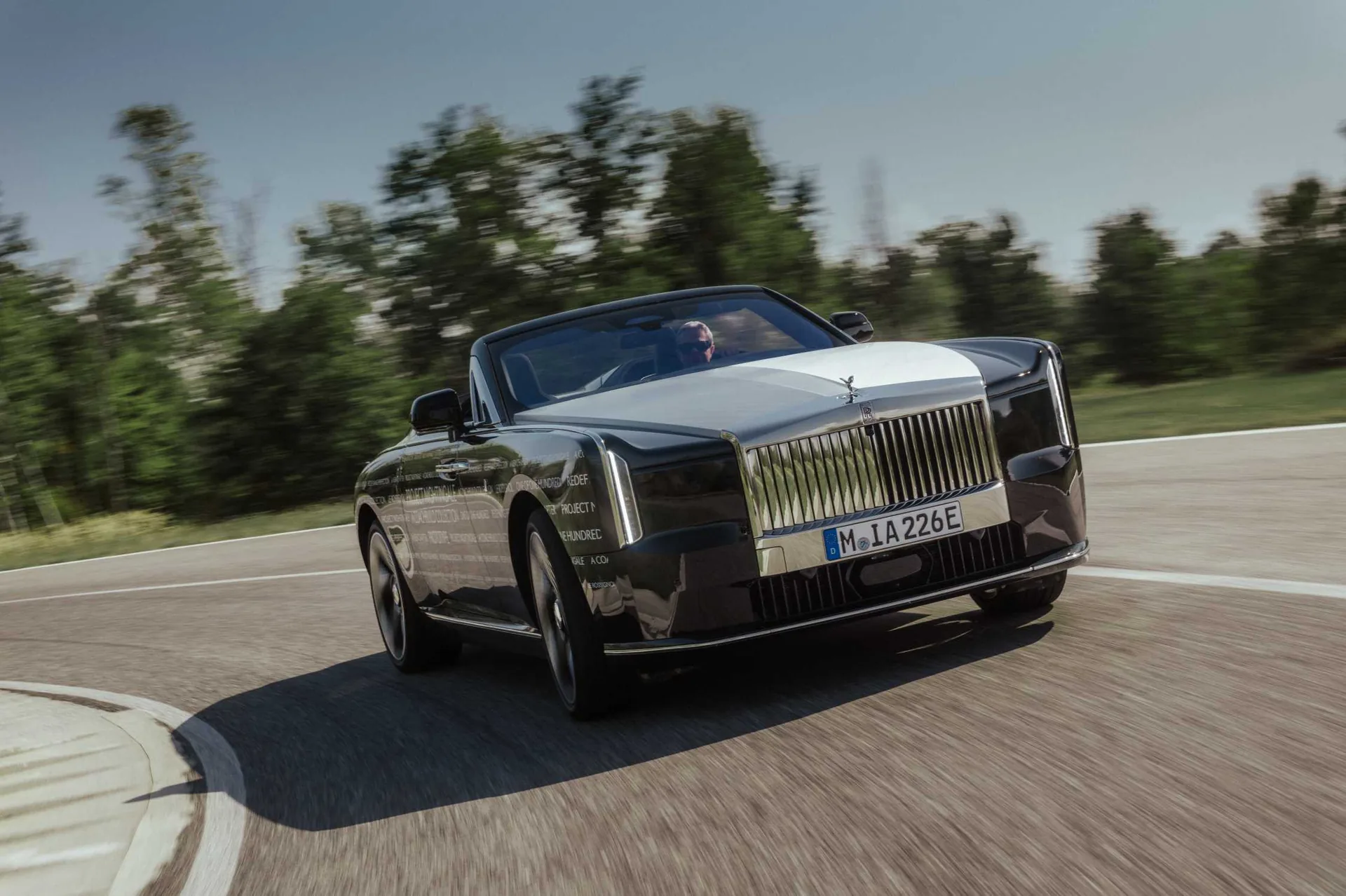
The road programme is the latest chapter of a development process that started almost three years ago. Static prototypes have already logged more than 1,430 hours of aerodynamic modelling, combining digital simulation with wind tunnel sessions. Those results will now be validated at a private high-speed facility, where Project Nightingale will run at up to 155 mph. Top speed is not really the point, though. The engineers will use the time to hunt down wind noise until it is barely perceptible, because calm, effortless progress is what this collection is meant to deliver.
Wind deflector, roof and 80 °C
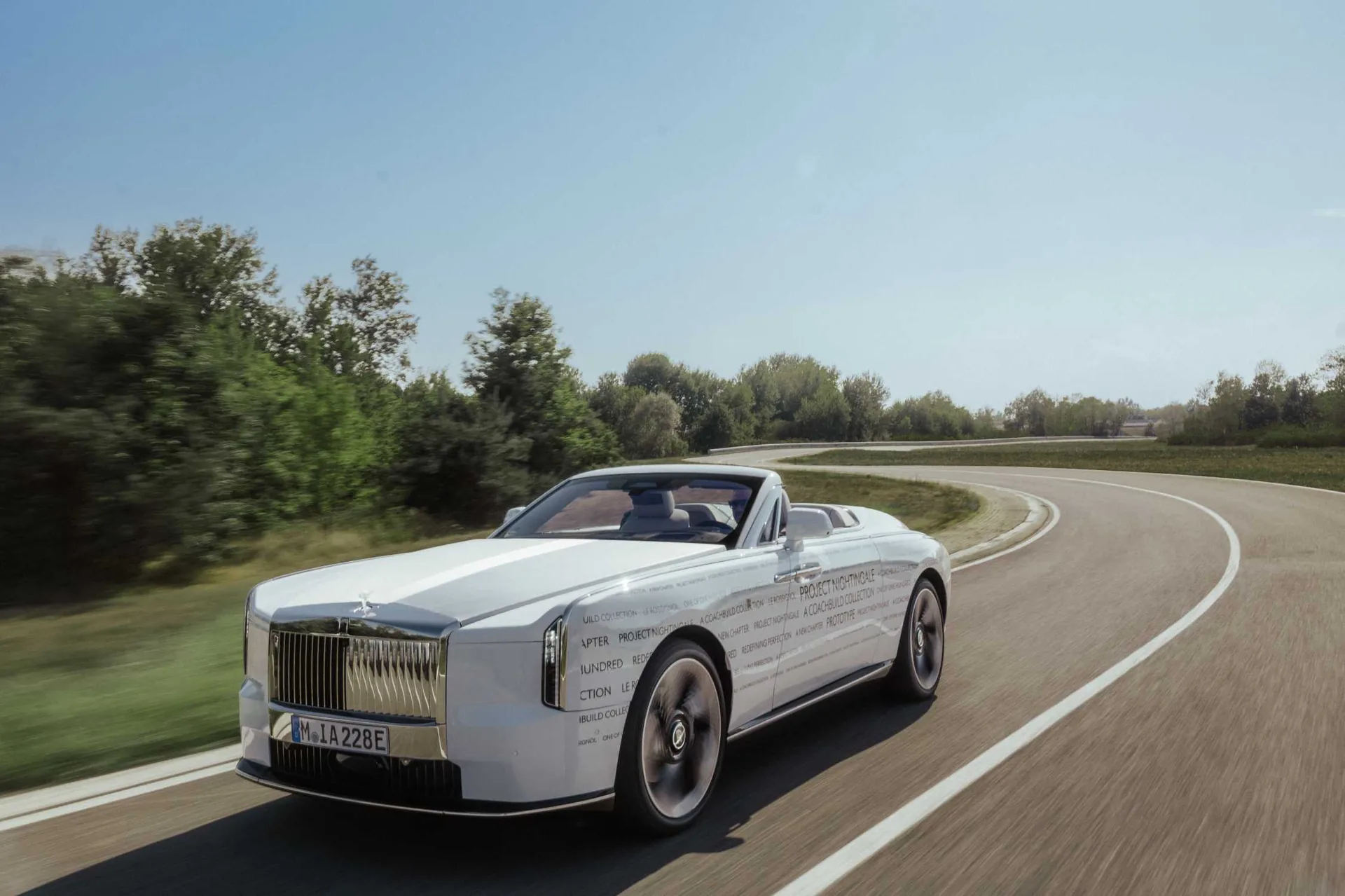
Because Project Nightingale is designed to be enjoyed with the roof lowered, airflow inside the cabin matters. Rolls-Royce developed a fully electric wind deflector for this car alone. Its job is to stop high-pressure air from curling forward into the interior from behind. During testing it will be tuned across a range of speeds to cut the already low turbulence further, and it should help keep warmth inside when owners drive open in colder climates.
The roof is lined with a sound-deadening material created for the car, combining cashmere, fabric and high-performance composites. It faces ten separate tests covering the fabric, the closing mechanism and its behaviour at temperatures up to 80 °C. According to Rolls-Royce, these extremes mirror the lives of clients who plan to use their cars all year round and in every corner of the world.
The Piano Boot and 15,000 cycles
One detail stands out: the Piano Boot, a feature no Rolls-Royce has had before. It swings open sideways on a cantilever, and the plan calls for up to 15,000 opening and closing cycles so that the movement stays effortless for generations. Chief Executive Chris Brownridge even names the sound of the boot closing after all those cycles as something that is being refined.
"Nothing less would be worthy of the brand, or this truly exceptional motor car." Chris Brownridge, Chief Executive, Rolls-Royce Motor Cars
Data alone will not sign the car off. Instruments record the numbers, but the final call on whether a prototype has reached the serenity and authority expected of a Rolls-Royce rests with the marque's most experienced engineers and their judgement.
Why it matters
Project Nightingale echoes the experimental EX cars that Sir Henry Royce commissioned in the 1920s to find out what the company could achieve without convention. For collectors, the mix of a 100-car run, coachbuilt design freedom and an electric drivetrain is what makes the project stand out. If you want to understand which limited models hold their value, our supercar investment guide is a good place to start, and our feature on the future of supercars puts electrification into context.
More brand news
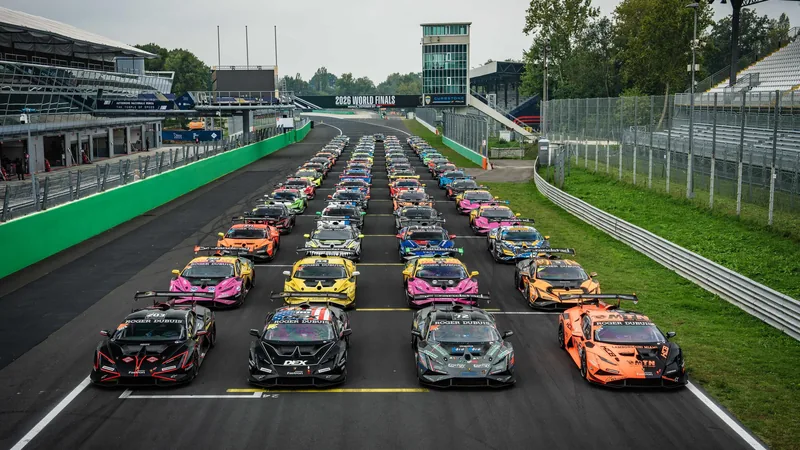
Lamborghini Super Trofeo: 2026 Titles and World Finals at Monza
Monza settles the 2026 Lamborghini Super Trofeo titles before the World Finals, and the Huracán Super Trofeo EVO races for the very last time.
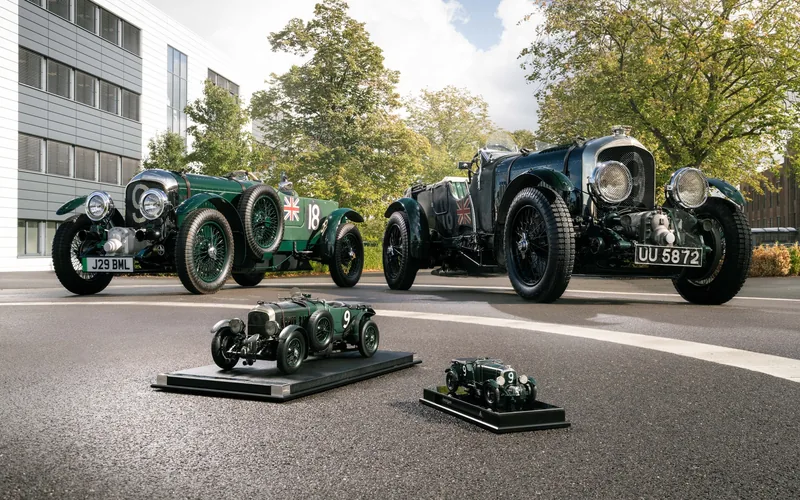
Bentley Blower in Four Scales: The Original, Blower Jnr and Two Models
The original 1929 Blower met the road-legal Blower Jnr and two Amalgam scale models in Crewe, just as the first 25 Blower Jnrs leave production.

BRABUS 900 Rocket Edition Cabrio: The First Open-Top Rocket
For the first time there is a BRABUS Rocket without a fixed roof: the 900 Rocket Edition Cabrio, based on the G 63, makes 900 hp and is limited to ten cars.