Why Supercars Are More Than Just Cars
The term “supercar” has become synonymous with high performance, cutting-edge technology, and extravagant design. The roots of supercars can be traced back to the mid-2…
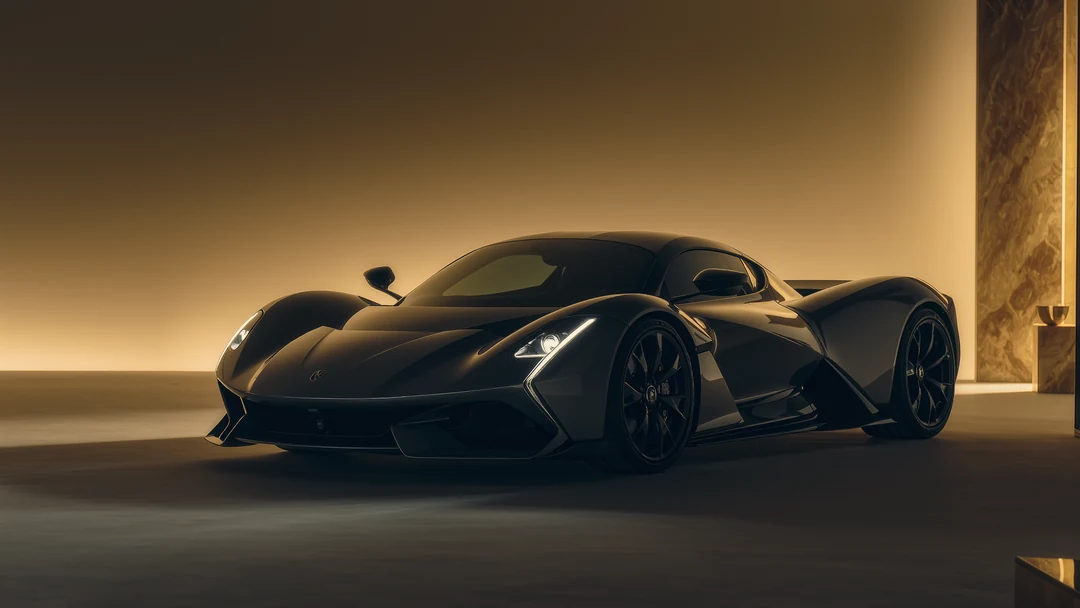
The term “supercar” has become synonymous with high performance, cutting-edge technology, and extravagant design. The roots of supercars can be traced back to the mid-20th century when manufacturers began to push the boundaries of automotive engineering. One of the earliest examples is the Ferrari 250 GTO, produced in the early 1960s.
Its racing pedigree and limited production run set the stage for what would become a hallmark of supercars: a blend of performance and prestige. As the decades progressed, the supercar evolved significantly.
The 1970s saw the introduction of the Lamborghini Countach, which redefined automotive design with its sharp angles and scissor doors. This era marked a shift towards more aggressive styling and performance metrics that appealed to a growing audience of enthusiasts. The 1980s and 1990s brought forth icons like the Ferrari F40 and the McLaren F1, both of which pushed the envelope in terms of speed, aerodynamics, and technology.
The F40 was notable for being one of the first production cars to break the 200 mph barrier, while the McLaren F1 introduced innovations such as a central driving position and extensive use of lightweight materials.
Key Takeaways
- Supercars have a rich history and have evolved from being rare and exclusive to more accessible to a wider audience.
- The engineering and performance of supercars continue to push the boundaries of speed, power, and technology, making them a symbol of automotive excellence.
- Supercars have had a significant cultural impact, influencing fashion, music, and entertainment, and becoming a status symbol for luxury and success.
- The economic influence of supercars extends beyond the automotive industry, contributing to tourism, events, and luxury goods markets.
- The environmental impact of supercars is a growing concern, leading to innovations in hybrid and electric supercar technology to reduce emissions and energy consumption.
The Engineering and Performance of Supercars
At the heart of every supercar lies an intricate web of engineering marvels designed to deliver unparalleled performance. These vehicles are often equipped with powerful engines that can produce upwards of 600 horsepower, allowing them to accelerate from 0 to 60 mph in mere seconds. For instance, the Bugatti Chiron boasts an 8.0-liter quad-turbocharged W16 engine that generates an astonishing 1,479 horsepower, enabling it to reach a top speed of over 300 mph.
Such engineering feats are not merely about raw power; they also involve sophisticated aerodynamics, advanced suspension systems, and cutting-edge materials that enhance both performance and safety. The performance metrics of supercars extend beyond mere acceleration. Handling is a critical aspect that distinguishes these vehicles from regular sports cars.
Many supercars employ active aerodynamics, which adjust wing angles and body shapes at high speeds to optimize downforce and stability. For example, the Porsche 911 GT2 RS features an adaptive rear wing that increases downforce during high-speed cornering, ensuring that drivers maintain control even at extreme velocities. Additionally, advancements in tire technology have led to the development of specialized tires that provide superior grip on both dry and wet surfaces, further enhancing the driving experience.
The Cultural Impact of Supercars
Supercars have transcended their role as mere vehicles; they have become cultural icons that embody aspirations and dreams. Their presence in popular media, films, music videos, and video games, has solidified their status as symbols of wealth and success. Movies like “The Fast and the Furious” franchise have not only showcased high-octane action but have also introduced audiences to a variety of supercars, making them aspirational objects for many fans.
The visual spectacle of these cars racing through city streets or tearing up racetracks has contributed to a cultural narrative that celebrates speed, power, and luxury. Moreover, supercars have influenced fashion and lifestyle trends. High-end brands often collaborate with automotive manufacturers to create exclusive merchandise that reflects the aesthetics of these vehicles.
Events such as the Geneva International Motor Show or Pebble Beach Concours d’Elegance attract not only car enthusiasts but also celebrities and influencers who seek to align themselves with the prestige associated with supercar ownership. This cultural phenomenon extends to social media platforms where images and videos of supercars garner millions of views, further embedding them into contemporary culture.
The Economic Influence of Supercars
The supercar industry plays a significant role in the global economy, contributing billions in revenue through sales, manufacturing, and associated services. Luxury car manufacturers like Ferrari, Lamborghini, and McLaren generate substantial profits not only from vehicle sales but also from merchandise, branding partnerships, and exclusive events.
Additionally, supercars stimulate various sectors within the economy. The automotive supply chain benefits from the demand for high-performance components such as specialized tires, brakes, and electronics. Furthermore, the aftermarket industry thrives on modifications and enhancements for supercar owners looking to personalize their vehicles or improve performance.
Events like track days or car shows also contribute economically by attracting tourism and generating revenue for local businesses.
The Environmental Impact of Supercars
While supercars are celebrated for their performance and engineering prowess, they also face scrutiny regarding their environmental impact. The production and operation of these high-performance vehicles contribute to carbon emissions and resource consumption. Traditional internal combustion engines are often criticized for their inefficiency compared to electric vehicles (EVs).
However, many manufacturers are beginning to address these concerns by investing in hybrid technologies or fully electric models. For example, the Rimac C_Two is an all-electric hypercar that boasts impressive performance metrics while producing zero emissions during operation. This shift towards electrification represents a significant turning point in the supercar industry as manufacturers seek to balance performance with environmental responsibility.
Additionally, advancements in sustainable materials, such as carbon fiber composites made from recycled sources, are being explored to reduce the ecological footprint associated with supercar production.
The Social Status and Prestige of Supercar Ownership
Owning a supercar is often viewed as a status symbol that conveys wealth, success, and exclusivity. The high price tags associated with these vehicles, often exceeding several hundred thousand dollars, place them out of reach for most consumers, creating an elite class of owners who enjoy unique privileges. This exclusivity is further enhanced by limited production runs; brands like Pagani or Koenigsegg produce only a handful of units each year, making ownership a rare achievement.
The social dynamics surrounding supercar ownership can be complex. Owners often participate in exclusive clubs or events where they can showcase their vehicles alongside fellow enthusiasts. These gatherings foster a sense of community among owners who share a passion for automotive excellence.
However, this exclusivity can also lead to perceptions of elitism or privilege, as some individuals may view supercar owners as disconnected from everyday realities.
The Community and Enthusiast Culture Surrounding Supercars
The world of supercars is not just about ownership; it encompasses a vibrant community of enthusiasts who share a deep passion for these extraordinary machines. Car clubs, online forums, and social media groups provide platforms for fans to connect, share experiences, and discuss everything from technical specifications to upcoming models. Events such as car meets or track days allow enthusiasts to come together in celebration of their shared interests while fostering camaraderie among diverse groups.
Moreover, this community often engages in philanthropic efforts by organizing charity events centered around supercars. For instance, events like “Cannonball Run” or “Gumball 3000” combine thrilling road trips with fundraising initiatives for various causes. These gatherings not only showcase stunning vehicles but also highlight the potential for positive social impact within the enthusiast culture.
The Future of Supercars and Innovation in the Industry
As technology continues to advance at an unprecedented pace, the future of supercars is poised for transformation. Electric powertrains are becoming increasingly prevalent as manufacturers seek to meet stricter emissions regulations while maintaining performance standards. Brands like Aston Martin are developing hybrid models that combine traditional combustion engines with electric motors to enhance efficiency without sacrificing power.
Additionally, innovations in autonomous driving technology are beginning to influence the supercar landscape. While full autonomy may not be suitable for high-performance driving experiences, features such as adaptive cruise control or lane-keeping assist are being integrated into new models to enhance safety without detracting from the thrill of driving. Furthermore, advancements in connectivity, such as vehicle-to-vehicle communication, could revolutionize how supercars interact with their environment.
In conclusion, the evolution of supercars reflects broader trends in technology, culture, and economics while presenting unique challenges related to sustainability and social dynamics. As we look ahead, it is clear that innovation will continue to shape this fascinating segment of the automotive industry, ensuring that supercars remain at the forefront of engineering excellence and cultural significance for years to come.
FAQs
What makes a car a supercar?
A supercar is a high-performance and luxury sports car that typically has a powerful engine, advanced technology, and a sleek and aerodynamic design. These cars are known for their exceptional speed, acceleration, and handling capabilities.
What sets supercars apart from regular cars?
Supercars are distinguished from regular cars by their superior performance, advanced engineering, and high price tag. They are designed to deliver an exhilarating driving experience and often feature cutting-edge technology and materials.
Why are supercars considered more than just cars?
Supercars are considered more than just cars because they represent the pinnacle of automotive engineering and design. They are often seen as symbols of luxury, status, and innovation, and are admired for their beauty, craftsmanship, and technological advancements.
What are some of the most famous supercar brands?
Some of the most famous supercar brands include Ferrari, Lamborghini, McLaren, Bugatti, Porsche, and Aston Martin. These brands are known for producing some of the most iconic and sought-after supercars in the world.
How do supercars contribute to automotive innovation?
Supercars often serve as testbeds for new technologies and engineering advancements that eventually trickle down to mainstream cars. They push the boundaries of what is possible in terms of performance, efficiency, and design, driving innovation in the automotive industry as a whole.
How have supercars evolved over the decades?
Why are supercars considered cultural icons?
What engineering makes the Bugatti Chiron stand out?
More from Magazine
Future of Supercars – Electric Revolution and Beyond
The future of supercars: Ferrari’s 2025 electric flagship, Porsche’s synthetic eFuel, Rimac’s record-breaking EVs and why the V12 su…
Supercar Technology Innovation Guide – The Future of Performance
Supercar technology guide: how carbon-fiber tubs, active aero, hybrids, dual-clutch gearboxes and software shape performance in the McLaren, Ferrari a…

Supercar Rental Worldwide Guide – Drive Your Dream Car Today
Supercar rental guide: daily rates from $500 to $20,000+, security deposits, insurance rules, top locations worldwide, and track packages explained.…