The Supercar Effect: Turning Heads Everywhere
Supercars have long captivated the imagination of automotive enthusiasts and casual observers alike. Their allure stems from a combination of breathtaking design, cutting-edge tech…
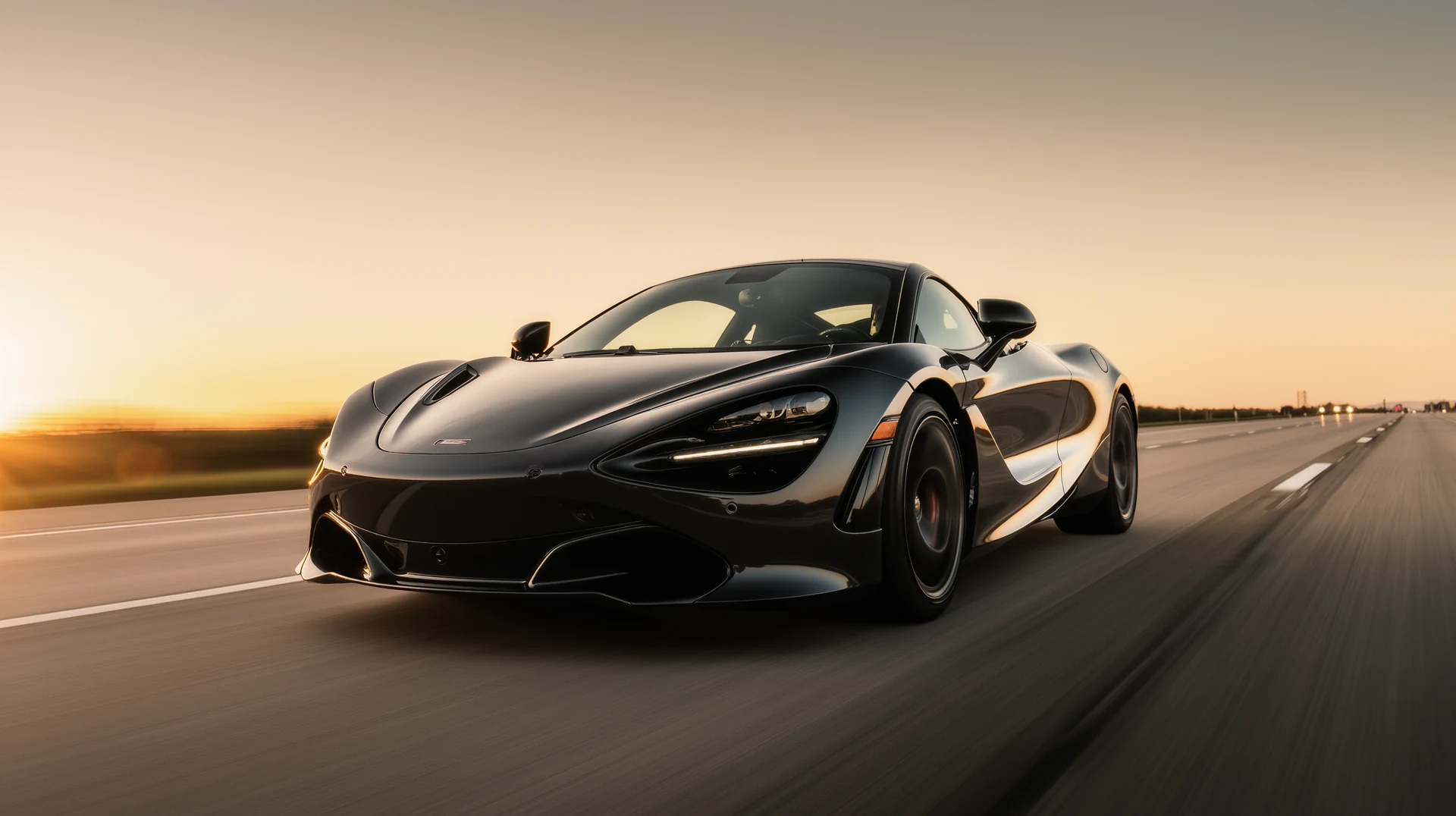
Supercars have long captivated the imagination of automotive enthusiasts and casual observers alike. Their allure stems from a combination of breathtaking design, cutting-edge technology, and unparalleled performance. These vehicles are not merely modes of transportation; they are masterpieces of engineering that push the boundaries of what is possible on four wheels.
The aesthetic appeal of supercars is undeniable, with sleek lines, aggressive stances, and eye-catching colors that make them stand out in any setting. Brands like Ferrari, Lamborghini, and McLaren have perfected the art of creating visually stunning machines that evoke a sense of desire and admiration. Beyond their striking appearances, supercars are often equipped with the latest advancements in automotive technology.
From lightweight materials like carbon fiber to sophisticated aerodynamics, every aspect of a supercar is meticulously designed to enhance performance. The engines found in these vehicles are marvels in their own right, often featuring turbocharging or hybrid technology that allows for incredible power outputs while maintaining efficiency.
Key Takeaways
- Supercars are special due to their high performance, luxury features, and exclusive design, making them a status symbol for enthusiasts.
- Supercars drive innovation in the automotive industry, pushing the boundaries of technology and performance for mainstream vehicles.
- Driving a supercar can evoke feelings of power, confidence, and excitement, impacting the driver’s psychological state and boosting self-esteem.
- Supercars are associated with social status and prestige, often symbolizing wealth and success in popular culture.
- Supercars have a significant influence on popular culture and media, often being featured in movies, music videos, and social media, shaping trends and perceptions.
The Impact of Supercars on the Automotive Industry
The presence of supercars in the automotive industry has a profound impact that extends far beyond their niche market. These high-performance vehicles serve as a testing ground for innovations that eventually trickle down to more mainstream models. For instance, technologies such as advanced suspension systems, lightweight materials, and high-performance braking systems were first developed for supercars before being adapted for everyday vehicles.
This transfer of technology helps improve the overall quality and performance of cars available to the average consumer, raising industry standards across the board. Moreover, supercars often drive competition among manufacturers, pushing them to innovate and differentiate their offerings. The race to produce the fastest or most technologically advanced vehicle leads to significant investments in research and development.
Companies like Bugatti and Koenigsegg continuously strive to break speed records and set new benchmarks for performance, which in turn inspires other automakers to elevate their game. This competitive environment fosters a culture of excellence within the automotive industry, ultimately benefiting consumers who enjoy enhanced features and improved safety in their vehicles.
The Psychological Effect of Driving a Supercar
Driving a supercar can evoke a range of psychological responses that go beyond mere enjoyment of speed and power. For many, the experience is transformative; it can instill a sense of confidence and empowerment that is hard to replicate in ordinary vehicles. The sheer thrill of acceleration, the roar of the engine, and the precision handling create an adrenaline rush that can be exhilarating.
This rush can lead to feelings of euphoria and heightened self-esteem, as drivers experience a unique connection with their vehicle that transcends typical driving experiences. Additionally, the act of driving a supercar can serve as an escape from the mundane aspects of daily life. For enthusiasts, it represents freedom and adventure, allowing them to momentarily step away from responsibilities and immerse themselves in a world where performance reigns supreme.
This psychological effect is often amplified during track days or driving events where owners can fully unleash their vehicles’ capabilities in a controlled environment. The camaraderie among fellow enthusiasts at these events further enhances the experience, creating lasting memories and friendships built around a shared passion for high-performance automobiles.
The Social Status and Prestige Associated with Supercars
Owning a supercar is often seen as a status symbol, representing wealth, success, and exclusivity. The price tags associated with these vehicles can reach into the millions, making them accessible only to a select few. This exclusivity adds to their allure; driving a supercar is not just about performance but also about being part of an elite club that few can join.
The social dynamics surrounding supercar ownership can create a sense of prestige that is difficult to achieve through other means. Moreover, the visibility of supercars in public spaces amplifies their status. When a Lamborghini or Ferrari roars down the street, it commands attention and admiration from onlookers.
This public display reinforces the owner’s social standing and can lead to networking opportunities within affluent circles. Events such as car shows, charity galas, and exclusive track days provide platforms for owners to showcase their vehicles while mingling with other high-net-worth individuals. In this way, supercars become more than just cars; they are tools for social engagement and status affirmation.
The Influence of Supercars on Popular Culture and Media
Supercars have made an indelible mark on popular culture, permeating various forms of media including films, television shows, video games, and music. Iconic films like “The Fast and the Furious” franchise have not only showcased high-speed chases but have also elevated certain models to legendary status. Cars like the Nissan Skyline GT-R and the Toyota Supra have become cultural icons due to their portrayal in these films, influencing car enthusiasts’ preferences and aspirations.
In addition to film, video games have played a significant role in popularizing supercars among younger audiences. Titles like “Gran Turismo” and “Need for Speed” allow players to experience the thrill of driving these high-performance machines virtually. This exposure fosters an interest in automotive culture and can inspire future generations to pursue careers in engineering or automotive design.
Furthermore, social media platforms have become powerful tools for showcasing supercars, with influencers sharing stunning visuals and exhilarating driving experiences that captivate millions worldwide.
The Economic Impact of Supercar Ownership
The ownership of supercars extends beyond personal enjoyment; it has significant economic implications as well. The supercar market contributes billions to the global economy through sales, maintenance services, insurance, and aftermarket modifications. High-end manufacturers create thousands of jobs in design, engineering, production, and sales, supporting local economies while also contributing to national GDPs.
Additionally, luxury car dealerships often serve as hubs for affluent consumers, generating revenue through not only vehicle sales but also through ancillary services such as financing and servicing. Moreover, supercar events such as auctions and car shows can generate substantial economic activity within host cities. Events like the Pebble Beach Concours d’Elegance attract wealthy attendees who spend money on accommodations, dining, and entertainment while showcasing their prized possessions.
These gatherings not only celebrate automotive excellence but also stimulate local economies by drawing tourists and enthusiasts from around the world.
The Environmental Concerns Surrounding Supercars
Despite their allure and economic contributions, supercars face increasing scrutiny regarding their environmental impact. These high-performance vehicles typically feature powerful engines that consume significant amounts of fuel while emitting higher levels of carbon dioxide compared to standard cars. As global awareness around climate change grows, so does criticism directed at manufacturers producing gas-guzzling machines that contribute to environmental degradation.
In response to these concerns, many supercar manufacturers are beginning to explore sustainable alternatives. Brands like Porsche have introduced hybrid models that combine traditional combustion engines with electric powertrains to reduce emissions without sacrificing performance. Additionally, companies like Rimac Automobili are pioneering fully electric hypercars that challenge the notion that performance must come at the expense of environmental responsibility.
As consumer preferences shift towards sustainability, it will be crucial for supercar manufacturers to adapt their strategies to align with evolving expectations while maintaining the exhilarating performance that defines their brand.
The Future of Supercars: Trends and Innovations
The future of supercars is poised for transformation as technological advancements continue to reshape the automotive landscape. One prominent trend is the increasing integration of electric powertrains into high-performance vehicles. As battery technology improves, manufacturers are finding ways to deliver impressive acceleration and top speeds without relying solely on traditional internal combustion engines.
This shift not only addresses environmental concerns but also opens up new possibilities for design and engineering. Another area ripe for innovation is connectivity and automation within supercars.
These systems can enhance safety while providing drivers with real-time data about their vehicle’s performance metrics during spirited drives or track days. Furthermore, customization options are expected to expand significantly as manufacturers recognize the desire for personalization among affluent consumers. From bespoke interior materials to unique paint finishes, owners will increasingly seek ways to make their supercars reflect their individual tastes and lifestyles.
As we look ahead, it is clear that while supercars will continue to embody speed and luxury, they will also evolve in response to societal demands for sustainability and technological advancement. The intersection of performance with responsibility will define the next generation of these extraordinary machines as they continue to capture hearts and imaginations around the globe.
FAQs
What is the “Supercar Effect”?
The “Supercar Effect” refers to the phenomenon where supercars, due to their high performance, luxury, and rarity, attract attention and turn heads everywhere they go.
What are some examples of supercars?
Some examples of supercars include the Lamborghini Aventador, Ferrari 488 GTB, McLaren 720S, Porsche 911 GT2 RS, and Bugatti Chiron.
What makes a car a “supercar”?
Supercars are typically defined by their exceptional performance, high price tag, advanced technology, and limited production numbers. They are designed to push the boundaries of speed, handling, and overall driving experience.
Why do supercars turn heads everywhere they go?
Supercars turn heads due to their striking designs, powerful engines, and the exclusivity associated with owning and driving such high-performance vehicles. They often evoke feelings of awe and admiration from onlookers.
Are supercars practical for everyday use?
While supercars are designed for high performance and luxury, they are not always practical for everyday use. They often have limited storage space, firm suspension, and high maintenance costs, making them more suitable for occasional or recreational driving.
What is the "supercar effect"?
Which brands epitomise the supercar effect?
Is the supercar effect only about looks?
More from Magazine
Future of Supercars – Electric Revolution and Beyond
The future of supercars: Ferrari’s 2025 electric flagship, Porsche’s synthetic eFuel, Rimac’s record-breaking EVs and why the V12 su…
Supercar Technology Innovation Guide – The Future of Performance
Supercar technology guide: how carbon-fiber tubs, active aero, hybrids, dual-clutch gearboxes and software shape performance in the McLaren, Ferrari a…
Supercar Rental Worldwide Guide – Drive Your Dream Car Today
Supercar rental guide: daily rates from $500 to $20,000+, security deposits, insurance rules, top locations worldwide, and track packages explained.…