The Spiritual Side of Driving Supercars
The relationship between the human mind and machines, particularly in the context of driving, is a fascinating interplay of cognitive processes and mechanical functions. When a per…
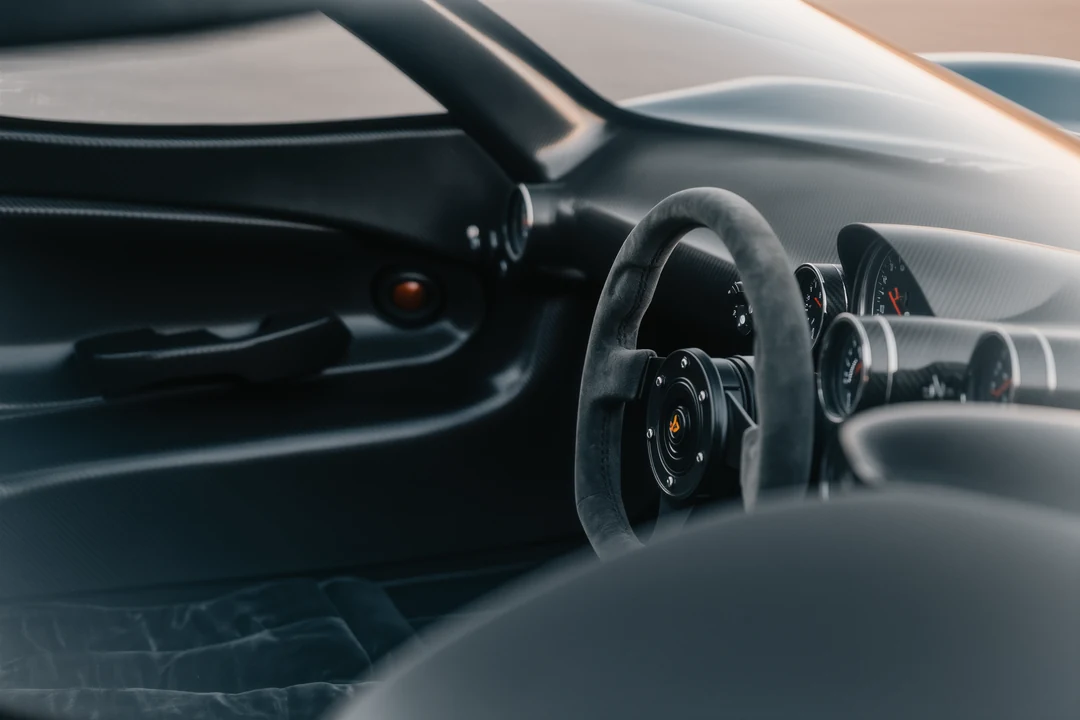
The relationship between the human mind and machines, particularly in the context of driving, is a fascinating interplay of cognitive processes and mechanical functions. When a person sits behind the wheel, they are not merely operating a vehicle; they are engaging in a complex dialogue with the machine. This connection is underscored by the need for acute awareness, quick decision-making, and an understanding of the vehicle’s capabilities.
This intricate dance between human cognition and mechanical operation creates a unique synergy that can enhance both performance and safety.
Modern vehicles are equipped with sophisticated systems that assist drivers in various ways, from adaptive cruise control to lane-keeping assistance. These features not only augment the driver’s capabilities but also require a new level of mental engagement. Drivers must learn to trust these systems while maintaining their own situational awareness.
This duality can lead to a heightened sense of control, as drivers navigate the complexities of the road with both their instincts and the support of technology. The evolving relationship between mind and machine continues to shape our driving experiences, pushing the boundaries of what is possible in automotive performance and safety.
Key Takeaways
- The mind and machine are deeply connected, and understanding this connection can enhance driving performance.
- Speed can be a pathway to inner peace, allowing drivers to focus and find a state of flow.
- Mindful driving involves being fully present and aware of one’s surroundings, leading to a more enjoyable and safe driving experience.
- Visualization can be a powerful tool for improving driving skills and performance on the road.
- Intuition plays a crucial role in high-speed driving, allowing drivers to make split-second decisions and navigate challenging situations.
Finding Inner Peace Through Speed
For many, the thrill of speed is not merely about adrenaline; it is a pathway to inner peace. The sensation of acceleration can create a meditative state, where the mind becomes focused and free from distractions. As the vehicle surges forward, the outside world blurs, allowing drivers to immerse themselves in the moment.
This experience can be likened to a form of moving meditation, where the rhythmic hum of the engine and the rush of air create a symphony that calms the mind. In this state, drivers often report feelings of clarity and tranquility, as if they have transcended the chaos of everyday life. The pursuit of speed can also serve as a metaphor for personal growth and self-discovery.
Just as a driver learns to navigate curves and straightaways, individuals can learn to navigate their own challenges and aspirations. The act of pushing boundaries on the road mirrors the journey of self-exploration, where each acceleration represents a step toward overcoming fears and embracing one’s potential. In this way, speed becomes not just a physical experience but a spiritual one, offering insights into resilience and determination.
The open road transforms into a canvas for personal expression, where each journey is an opportunity to find peace amidst the rush.
The Art of Mindful Driving
Mindful driving is an emerging concept that emphasizes awareness and presence while behind the wheel. It encourages drivers to engage fully with their surroundings, fostering a deeper connection to both the vehicle and the environment. This practice involves tuning into one’s thoughts, emotions, and physical sensations while driving, allowing for a more intentional experience on the road.
By cultivating mindfulness, drivers can enhance their focus, reduce stress, and improve overall safety. The art of mindful driving transforms what is often seen as a mundane task into a profound practice of awareness. To practice mindful driving, one can start by setting intentions before embarking on a journey.
This could involve taking a moment to breathe deeply, reflecting on the purpose of the trip, or simply appreciating the beauty of the landscape ahead. As drivers navigate their route, they can consciously observe their surroundings, the colors of the trees, the patterns of light on the pavement, or even the sounds of nature outside their windows. This heightened awareness not only enriches the driving experience but also fosters a sense of gratitude for the journey itself.
By embracing mindfulness on the road, drivers can cultivate a deeper appreciation for both their vehicle and the world around them.
Harnessing the Power of Visualization
Visualization is a powerful tool that can significantly enhance driving performance and overall experience. Athletes have long utilized this technique to improve their skills by mentally rehearsing their actions before executing them physically. Similarly, drivers can benefit from visualizing their routes, anticipating challenges, and envisioning successful maneuvers.
This mental practice helps to create neural pathways that reinforce positive outcomes, ultimately leading to improved confidence and competence behind the wheel. For instance, before embarking on a challenging drive, such as navigating through heavy traffic or tackling winding mountain roads, drivers can take a few moments to close their eyes and visualize themselves successfully navigating these scenarios. They can imagine feeling calm and composed while maneuvering through tight spaces or responding swiftly to unexpected obstacles.
This mental rehearsal not only prepares them for what lies ahead but also instills a sense of control over their driving experience. By harnessing the power of visualization, drivers can transform anxiety into confidence, allowing them to approach each journey with clarity and purpose.
The Role of Intuition in High-Speed Driving
Intuition plays a crucial role in high-speed driving, where split-second decisions can mean the difference between safety and disaster. Experienced drivers often rely on their instincts to navigate complex situations that require immediate responses. This intuitive ability is honed through practice and familiarity with both the vehicle and various driving conditions.
As drivers accumulate experience, they develop an innate sense of how their vehicle will respond in different scenarios, whether it be cornering at high speeds or reacting to sudden changes in traffic. The interplay between intuition and skill becomes particularly evident in motorsports, where drivers must make rapid decisions while maintaining peak performance. In these high-pressure environments, intuition often guides drivers through instinctual reactions that are informed by years of training and experience.
For example, a race car driver may instinctively know when to brake or accelerate based on subtle cues from the car’s handling or the behavior of competitors around them. This deep-seated intuition allows them to push their limits while remaining attuned to their surroundings, a skill that can be cultivated by any driver willing to invest time in understanding their vehicle’s dynamics.
Overcoming Fear and Embracing Trust
Fear is an inherent part of driving; it can stem from past experiences or simply from the unpredictability of the road ahead. However, overcoming this fear is essential for becoming a confident driver. Embracing trust, both in oneself and in one’s vehicle, can significantly alter one’s driving experience.
Trusting one’s abilities allows for more fluid decision-making and reduces anxiety during challenging situations. It involves recognizing that mistakes are part of learning and that each drive presents an opportunity for growth. Building this trust requires practice and self-reflection.
Drivers can start by gradually exposing themselves to situations that trigger fear, such as driving in inclement weather or navigating busy urban environments, while employing techniques learned through mindfulness or visualization. By approaching these challenges with a mindset focused on growth rather than fear, drivers can gradually desensitize themselves to anxiety-inducing scenarios. Over time, this process fosters resilience and confidence, enabling individuals to embrace driving as an empowering experience rather than one fraught with apprehension.
The Spiritual Lessons of Control and Surrender
Driving offers profound spiritual lessons about control and surrender, two concepts that often seem at odds yet are essential for navigating life’s journey. On one hand, drivers must exert control over their vehicles; they must steer with intention, accelerate with purpose, and brake when necessary. This aspect of driving reflects our desire for agency in our lives, the need to direct our paths and make choices that align with our goals.
Conversely, surrendering to the flow of traffic or accepting unforeseen circumstances, such as road closures or detours, teaches valuable lessons about adaptability and acceptance. In moments when drivers encounter obstacles beyond their control, they learn to let go of frustration and embrace flexibility. This duality mirrors life itself: while we strive for control over our destinies, we must also recognize that some elements are beyond our influence.
By finding balance between these two forces on the road, drivers cultivate resilience and wisdom that extends far beyond their time behind the wheel.
The Healing Power of the Open Road
The open road has long been celebrated as a source of healing and rejuvenation for those seeking solace from life’s demands. The act of driving through expansive landscapes, whether it be winding coastal highways or serene country roads, can evoke feelings of freedom and liberation. As tires roll over asphalt, worries dissipate into the wind, creating space for reflection and renewal.
Many find that long drives provide an opportunity for introspection; they can contemplate life’s challenges while surrounded by nature’s beauty. Moreover, road trips often serve as transformative experiences that foster connections with others or oneself. Whether embarking on a solo journey or traveling with loved ones, these adventures create lasting memories that enrich our lives.
The shared experience of navigating new terrains fosters bonds between travelers while also allowing individuals to reconnect with themselves away from daily distractions. In this way, the open road becomes not just a physical space but also a metaphorical one, a pathway toward healing, growth, and self-discovery that resonates deeply within us all.
FAQs
What is the spiritual side of driving supercars?
The spiritual side of driving supercars refers to the emotional and psychological experience of driving these high-performance vehicles. It encompasses the feelings of exhilaration, freedom, and connection to the car and the road.
How does driving a supercar affect one’s spirituality?
Driving a supercar can affect one’s spirituality by providing a sense of mindfulness, focus, and presence in the moment. It can also evoke feelings of awe, gratitude, and a deeper connection to the world around them.
Can driving a supercar be a spiritual experience?
For some individuals, driving a supercar can indeed be a spiritual experience. The combination of speed, power, and precision can create a heightened state of awareness and a sense of oneness with the car and the environment.
What are some spiritual benefits of driving supercars?
Some spiritual benefits of driving supercars may include a sense of liberation, a feeling of being in the flow, and an opportunity for self-reflection and personal growth. It can also provide a form of meditation and stress relief for some individuals.
Are there any risks associated with the spiritual side of driving supercars?
While the spiritual side of driving supercars can be a positive experience for many, there are potential risks such as overconfidence, reckless behavior, and the temptation to seek thrills at the expense of safety. It’s important for drivers to balance the spiritual aspects with responsible and safe driving practices.
More from Magazine
Future of Supercars – Electric Revolution and Beyond
The future of supercars: Ferrari’s 2025 electric flagship, Porsche’s synthetic eFuel, Rimac’s record-breaking EVs and why the V12 su…
Supercar Technology Innovation Guide – The Future of Performance
Supercar technology guide: how carbon-fiber tubs, active aero, hybrids, dual-clutch gearboxes and software shape performance in the McLaren, Ferrari a…

Supercar Rental Worldwide Guide – Drive Your Dream Car Today
Supercar rental guide: daily rates from $500 to $20,000+, security deposits, insurance rules, top locations worldwide, and track packages explained.…