The Role of Supercars in Modern Storytelling
The evolution of supercars in pop culture is a fascinating journey that reflects broader societal changes, technological advancements, and shifting consumer desires. Initially, the…
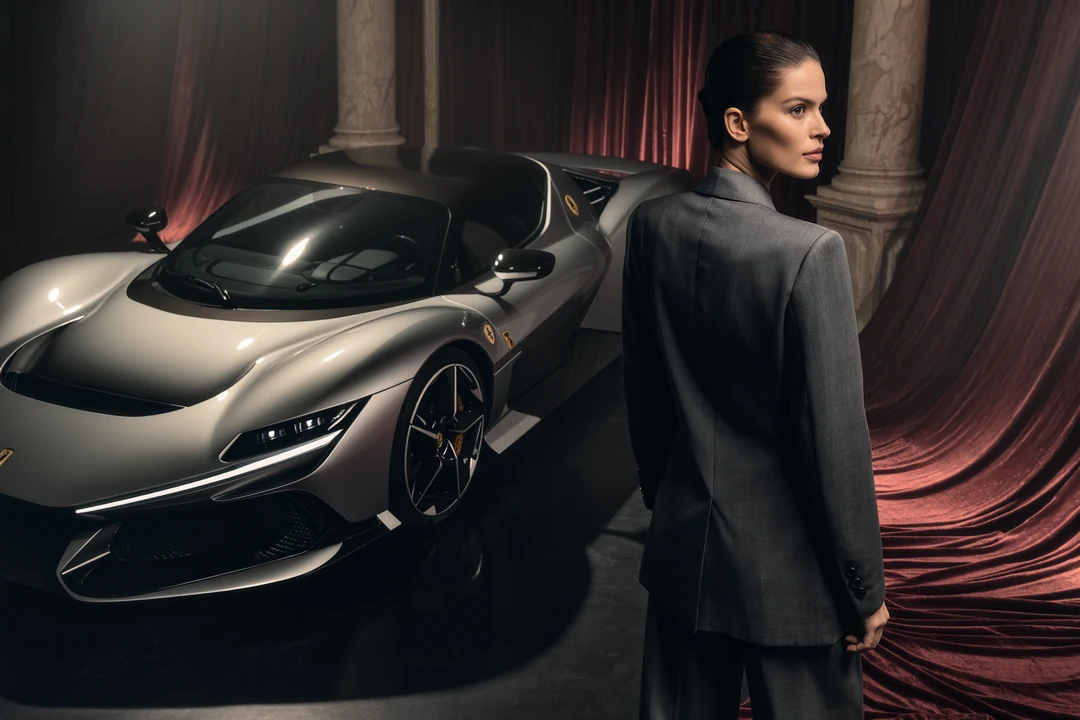
The evolution of supercars in pop culture is a fascinating journey that reflects broader societal changes, technological advancements, and shifting consumer desires. Initially, the term “supercar” was coined in the 1960s to describe high-performance vehicles that surpassed the capabilities of standard sports cars. Iconic models like the Lamborghini Miura and the Ferrari 250 GTO emerged during this era, setting the stage for what would become a cultural phenomenon.
These vehicles were not merely machines; they represented a lifestyle, an aspiration, and a form of artistic expression. The sleek lines, powerful engines, and innovative designs captured the imagination of car enthusiasts and the general public alike, leading to their portrayal in various forms of media. As the decades progressed, supercars became increasingly intertwined with notions of luxury and exclusivity.
The 1980s and 1990s saw the rise of brands like Bugatti and McLaren, which pushed the boundaries of engineering and design. The introduction of models such as the Bugatti Veyron and McLaren F1 not only showcased technological prowess but also solidified supercars as status symbols. This period marked a significant shift in how these vehicles were perceived; they were no longer just fast cars but rather works of art that embodied human ingenuity.
The portrayal of supercars in magazines, television shows, and films further cemented their place in popular culture, making them aspirational objects for many.
Key Takeaways
- Supercars have evolved from being just high-performance vehicles to becoming iconic symbols of power and wealth in pop culture.
- They are often used in film and television to represent the status and personality of the characters who drive them.
- Video games and literature have also embraced the allure of supercars, featuring them as key elements in storytelling and world-building.
- Modern storytelling often portrays supercars as characters with their own personalities and roles in the narrative.
- Supercars are not just plot devices, but also symbols that influence consumer culture and the way we perceive luxury and success.
- The future of supercars in storytelling and media will likely see them continue to play a significant role in shaping the image of power, wealth, and aspiration.
Supercars as Symbols of Power and Wealth
Supercars have long been associated with power and wealth, serving as tangible representations of success and achievement. The allure of these high-performance vehicles lies not only in their speed and engineering but also in their exclusivity. Owning a supercar often signifies a level of financial success that few can attain, creating a distinct social hierarchy among car enthusiasts.
This exclusivity enhances their desirability, as they become symbols of not just wealth but also a certain lifestyle that many aspire to emulate. The connection between supercars and power is further amplified by their performance capabilities.
These vehicles are engineered to deliver unparalleled speed and handling, often leaving traditional cars in the dust. The ability to accelerate from 0 to 60 mph in mere seconds is not just a technical achievement; it is a demonstration of control and dominance on the road. This performance aspect resonates with individuals who seek to assert their status through their possessions.
In many ways, supercars serve as modern-day chariots for the affluent, allowing them to showcase their success while indulging in the thrill of driving.
Supercars in Film and Television
The portrayal of supercars in film and television has played a pivotal role in shaping public perception and desire for these vehicles. Iconic films such as “The Italian Job,” “Fast & Furious,” and “James Bond” franchises have featured supercars prominently, often using them as symbols of adventure, luxury, and rebellion. In “The Italian Job,” for instance, the Mini Coopers became synonymous with clever heists and thrilling chases, while the Aston Martin DB5 in “Goldfinger” epitomized sophistication and style.
These films not only showcased the aesthetic appeal of supercars but also embedded them within narratives that emphasized excitement and escapism. Television series have also embraced supercars as central elements of storytelling. Shows like “Top Gear” and “The Grand Tour” have turned car reviews into entertainment spectacles, blending humor with high-octane action.
These programs have cultivated a dedicated fan base that eagerly anticipates each episode’s showcase of cutting-edge automotive technology. The dramatic visuals of supercars racing through picturesque landscapes or navigating challenging terrains create an emotional connection with viewers, further solidifying their status as cultural icons. Through these portrayals, supercars transcend their mechanical nature, becoming integral to the narratives that captivate audiences worldwide.
Supercars in Video Games and Literature
The influence of supercars extends beyond film and television into the realms of video games and literature, where they serve as both aspirational objects and integral components of gameplay. Racing games like “Need for Speed,” “Gran Turismo,” and “Forza Horizon” allow players to experience the thrill of driving these high-performance vehicles from the comfort of their homes.
The adrenaline rush associated with racing against friends or completing challenging courses mirrors the excitement that comes with driving a supercar in reality. In literature, supercars often symbolize freedom, adventure, and rebellion against societal norms. Authors use these vehicles to convey deeper themes about ambition and desire.
For example, in novels like “The Great Gatsby,” the opulent lifestyle associated with luxury cars reflects the characters’ aspirations and moral complexities. The imagery of fast cars racing through the night serves as a metaphor for the pursuit of dreams and the fleeting nature of success. Through these narratives, supercars become more than just machines; they embody the hopes and struggles of individuals navigating their own journeys.
Supercars as Characters in Modern Storytelling
In contemporary storytelling, supercars have evolved into characters in their own right, often possessing distinct personalities that reflect their design and performance characteristics. This anthropomorphism can be seen in various media forms, where cars are imbued with traits that resonate with audiences on an emotional level. For instance, animated films like “Cars” personify vehicles, giving them voices and personalities that mirror human experiences.
Lightning McQueen’s journey from a self-centered race car to a humble hero illustrates themes of friendship, perseverance, and personal growth. Moreover, in literature and graphic novels, supercars are often depicted as companions or sidekicks to protagonists, enhancing their adventures while symbolizing freedom and escape. In works like “The Art of Racing in the Rain,” the car serves as a vessel for exploration and connection between characters.
This narrative device allows authors to explore complex themes such as loyalty, love, and loss through the lens of automotive culture. By treating supercars as characters within these stories, creators tap into the emotional resonance that these vehicles hold for audiences.
Supercars as Plot Devices and Symbols
Supercars frequently function as plot devices within narratives, driving character development and influencing story arcs. Their presence can signify pivotal moments or transitions within a storyline. For example, in action films, a character’s acquisition or loss of a supercar can symbolize their rise or fall from grace.
The dramatic chase sequences often associated with these vehicles serve to heighten tension and excitement while propelling the narrative forward. In this way, supercars become integral to the storytelling process rather than mere background elements. Additionally, supercars often symbolize broader themes such as ambition, freedom, or rebellion against authority.
In dystopian narratives, for instance, a character’s desire for a supercar may represent their longing for escape from oppressive societal structures. The pursuit of speed becomes a metaphor for breaking free from constraints and embracing individuality. This symbolic use of supercars enriches narratives by adding layers of meaning that resonate with audiences on multiple levels.
The Influence of Supercars on Consumer Culture
The impact of supercars on consumer culture is profound, shaping not only automotive trends but also lifestyle aspirations across various demographics. The marketing strategies employed by luxury car manufacturers often emphasize exclusivity and prestige, appealing to consumers’ desires for status symbols that reflect their success. High-profile launches and limited-edition models create buzz within affluent circles, driving demand among collectors and enthusiasts alike.
This phenomenon extends beyond mere ownership; it fosters a culture where experiences associated with supercar ownership, such as track days or exclusive events, become coveted social experiences. Moreover, the influence of supercars can be seen in fashion trends, technology adoption, and even social media culture. Influencers showcasing their luxury lifestyles often feature supercars prominently in their content, reinforcing the idea that these vehicles are essential components of an aspirational lifestyle.
The visual appeal of supercars lends itself well to platforms like Instagram or TikTok, where stunning imagery can captivate audiences instantly. As consumers engage with this content, they internalize the association between supercars and success, further perpetuating their status as symbols of wealth.
The Future of Supercars in Storytelling and Media
As we look toward the future, the role of supercars in storytelling and media is likely to evolve alongside technological advancements and changing societal values. With the rise of electric vehicles (EVs) and sustainable technologies, we may see a shift in how supercars are portrayed in popular culture. Brands like Tesla are already redefining performance standards while emphasizing eco-friendliness; this could lead to new narratives that celebrate innovation over traditional notions of power and speed.
Furthermore, as storytelling mediums continue to diversify, through virtual reality experiences or interactive narratives, supercars may take on even more dynamic roles within these frameworks. Imagine immersive experiences where users can customize their own supercar journeys or engage in narrative-driven racing games that explore themes of sustainability or social responsibility. As creators adapt to changing consumer preferences and technological possibilities, supercars will undoubtedly remain central figures in our cultural landscape, symbols not just of wealth but also of progress and possibility in an ever-evolving world.
FAQs
What is a supercar?
A supercar is a high-performance and luxury sports car that is typically expensive and has a powerful engine, advanced technology, and a sleek and aerodynamic design.
How are supercars used in modern storytelling?
Supercars are often used in modern storytelling to symbolize wealth, power, and status. They can be featured as the vehicle of choice for wealthy and influential characters, or as a symbol of aspiration and success for protagonists.
What role do supercars play in enhancing the visual appeal of storytelling?
Supercars are visually striking and can add excitement and glamour to storytelling. Their sleek designs, high speeds, and dynamic capabilities can enhance the visual appeal of a story, especially in action-packed or high-stakes scenes.
Are there any notable examples of supercars being prominently featured in modern storytelling?
Yes, there are numerous examples of supercars being prominently featured in modern storytelling, including the use of iconic models such as the Lamborghini, Ferrari, McLaren, and Bugatti in movies, television shows, and literature.
How do supercars contribute to character development in storytelling?
Supercars can be used to reflect the personality, lifestyle, and values of a character. The choice of a supercar can convey information about a character’s taste, status, and priorities, contributing to their development within the story.
More from Magazine
Future of Supercars – Electric Revolution and Beyond
The future of supercars: Ferrari’s 2025 electric flagship, Porsche’s synthetic eFuel, Rimac’s record-breaking EVs and why the V12 su…
Supercar Technology Innovation Guide – The Future of Performance
Supercar technology guide: how carbon-fiber tubs, active aero, hybrids, dual-clutch gearboxes and software shape performance in the McLaren, Ferrari a…
Supercar Rental Worldwide Guide – Drive Your Dream Car Today
Supercar rental guide: daily rates from $500 to $20,000+, security deposits, insurance rules, top locations worldwide, and track packages explained.…