The Lifestyle Connection Between Supercars & Tech
The journey of supercars is a fascinating narrative that intertwines with the evolution of technology. From the early days of automotive engineering, where performance was primaril…
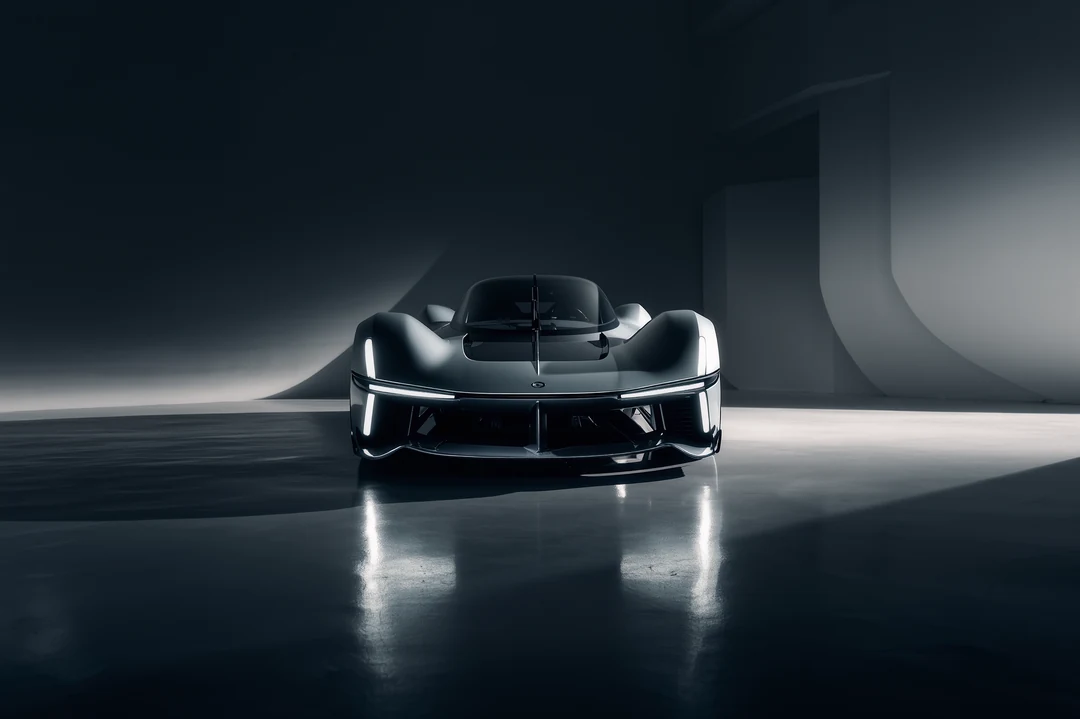
The journey of supercars is a fascinating narrative that intertwines with the evolution of technology. From the early days of automotive engineering, where performance was primarily dictated by mechanical prowess, to the modern era where digital innovation reigns supreme, supercars have undergone a remarkable transformation. The 1960s and 1970s marked the golden age of supercars, with iconic models like the Lamborghini Miura and Ferrari 512 being celebrated for their raw power and striking designs.
These vehicles were not just machines; they were symbols of status and engineering excellence, showcasing the pinnacle of what was possible with the technology of the time. As we moved into the 1980s and 1990s, the introduction of turbocharging and advanced aerodynamics began to reshape the supercar landscape. The McLaren F1, launched in 1992, epitomized this shift, boasting a lightweight carbon fiber chassis and a powerful BMW-sourced V12 engine.
This era also saw the rise of electronic systems that enhanced performance and safety, such as anti-lock braking systems (ABS) and traction control. The integration of these technologies not only improved driving dynamics but also set the stage for the next wave of supercars that would leverage even more sophisticated tech to push boundaries further.
Key Takeaways
- Supercars have evolved from high-performance vehicles to cutting-edge tech showcases, integrating advanced features and accessories.
- Technology plays a crucial role in enhancing supercar design and performance, from aerodynamics and materials to engine efficiency and driver assistance systems.
- Supercars have driven technological advancements in areas such as lightweight materials, electric powertrains, and autonomous driving technology.
- The integration of tech in supercars has led to features and accessories such as advanced infotainment systems, connectivity, and driver customization options.
- Supercars have influenced tech-driven lifestyle trends, shaping the intersection of luxury, performance, and cutting-edge technology for enthusiasts.
The Role of Technology in Supercar Design and Performance
In contemporary supercar design, technology plays a pivotal role in both aesthetics and performance. Advanced computer-aided design (CAD) software allows engineers to create intricate shapes that optimize aerodynamics while minimizing weight. For instance, the Bugatti Chiron employs a complex aerodynamic profile that includes active aerodynamics, which adjusts wing angles and body panels in real-time to enhance downforce and stability at high speeds.
This level of precision in design is made possible by simulations that predict airflow patterns and performance metrics before a physical prototype is even built. Moreover, performance metrics have been revolutionized by the integration of hybrid powertrains and electric motors. The Porsche 918 Spyder is a prime example, combining a naturally aspirated V8 engine with two electric motors to deliver blistering acceleration while maintaining efficiency.
The result is a supercar that not only performs exceptionally but also adheres to stricter emissions regulations, showcasing how technology can harmonize performance with environmental responsibility.
The Influence of Supercars on Technological Advancements
Supercars have historically served as testbeds for cutting-edge technologies that eventually trickle down to mainstream vehicles. The high-performance demands of supercars necessitate innovations that often find their way into everyday cars. For example, the development of lightweight materials such as carbon fiber and aluminum alloys was initially driven by the need to reduce weight in supercars like the Ferrari LaFerrari and McLaren P1.
These materials are now widely used in various automotive applications, enhancing fuel efficiency and performance across the board. Additionally, advancements in tire technology have been significantly influenced by supercar requirements. The Michelin Pilot Sport Cup tires, designed for high-performance vehicles, incorporate compounds and tread patterns that maximize grip and handling at extreme speeds.
This technology has not only improved supercar performance but has also been adapted for use in high-performance sedans and sports cars, demonstrating how innovations born from the supercar segment can elevate the entire automotive industry.
The Integration of Tech in Supercar Features and Accessories
The integration of technology into supercars extends beyond performance enhancements; it encompasses a wide array of features and accessories designed to elevate the driving experience. Infotainment systems in modern supercars are equipped with cutting-edge interfaces that provide drivers with real-time data on vehicle performance, navigation, and connectivity options. For instance, the Aston Martin Valkyrie features a sophisticated digital dashboard that displays critical information such as tire pressure, engine temperature, and lap times, all while maintaining an intuitive user experience.
Moreover, driver assistance technologies have made their way into supercars, enhancing safety without compromising the thrill of driving. Features such as adaptive cruise control, lane-keeping assist, and parking sensors are now commonplace in high-end models. The Mercedes-AMG GT, for example, offers an array of driver assistance systems that help maintain control during high-speed maneuvers while still allowing drivers to engage fully with the vehicle’s capabilities.
This balance between technology and driving enjoyment reflects a broader trend in the automotive industry where luxury and performance are increasingly intertwined with advanced tech solutions.
The Impact of Supercars on Tech-Driven Lifestyle Trends
Supercars have transcended their role as mere vehicles; they have become cultural icons that influence lifestyle trends among tech enthusiasts and affluent consumers alike. The allure of owning a supercar often extends beyond performance metrics; it embodies a lifestyle characterized by luxury, exclusivity, and cutting-edge technology. Social media platforms have amplified this phenomenon, allowing owners to showcase their vehicles to a global audience, further cementing the connection between supercars and modern luxury culture.
Moreover, events such as the Geneva International Motor Show or Pebble Beach Concours d’Elegance serve as platforms for unveiling not just new models but also innovative technologies that resonate with tech-savvy audiences. These gatherings attract enthusiasts who are not only passionate about cars but also deeply interested in the technological advancements that accompany them. As a result, supercars have become synonymous with a tech-driven lifestyle that values innovation, performance, and aesthetic appeal.
The Intersection of Supercar Culture and Tech Enthusiasts
The intersection of supercar culture and tech enthusiasts creates a vibrant community where passion for high-performance vehicles meets an appreciation for technological innovation. Car shows, track days, and online forums provide platforms for enthusiasts to share knowledge about both automotive engineering and cutting-edge tech developments. This community thrives on discussions about the latest advancements in electric drivetrains, autonomous driving technologies, and software updates that enhance vehicle performance.
Moreover, collaborations between automotive manufacturers and tech companies have become increasingly common as both sectors recognize the value of shared expertise. For instance, partnerships between companies like Rimac Automobili and established brands such as Bugatti highlight how tech startups are influencing traditional automotive giants. Rimac’s electric hypercars showcase not only blistering performance but also advanced battery technology and software integration that push the boundaries of what is possible in automotive engineering.
The Future of Supercars and Tech Innovations
Looking ahead, the future of supercars is poised to be shaped by rapid technological advancements that promise to redefine performance standards once again. As electric vehicle (EV) technology continues to evolve, we can expect to see more manufacturers embracing fully electric powertrains in their supercar offerings. Brands like Tesla have already demonstrated that electric vehicles can achieve remarkable acceleration figures; however, traditional manufacturers are now entering this space with models like the Lotus Evija and Rimac Nevera that combine electric power with hypercar performance.
Furthermore, advancements in artificial intelligence (AI) are likely to play a significant role in shaping the driving experience of future supercars. AI-driven systems could optimize vehicle dynamics in real-time based on driving conditions or personal preferences, enhancing both safety and performance. Imagine a supercar that learns from its driver’s habits over time, adjusting suspension settings or throttle response to create a tailored driving experience that feels uniquely personal.
The Connection Between Supercars, Tech, and Sustainable Living
As environmental concerns become increasingly pressing, the connection between supercars, technology, and sustainable living is gaining prominence. Manufacturers are exploring ways to produce high-performance vehicles that minimize their ecological footprint without sacrificing speed or luxury. Hybrid powertrains are already bridging this gap by combining traditional combustion engines with electric motors to improve efficiency while delivering exhilarating performance.
Moreover, advancements in sustainable materials are beginning to influence supercar design. Companies like McLaren are experimenting with bio-composite materials derived from renewable resources to create lightweight components without relying solely on traditional carbon fiber or aluminum. This shift not only reduces environmental impact but also aligns with a growing consumer demand for sustainability in luxury products.
As supercar manufacturers continue to innovate in this space, they will likely play a crucial role in shaping a future where high-performance vehicles coexist harmoniously with sustainable living practices.
FAQs
What is the lifestyle connection between supercars and tech?
The lifestyle connection between supercars and tech refers to the intersection of high-performance automotive engineering and cutting-edge technological advancements. This includes the incorporation of advanced tech features in supercars, as well as the influence of tech culture on the supercar enthusiast lifestyle.
How are supercars incorporating technology into their designs?
Supercars are incorporating technology into their designs through features such as advanced driver assistance systems, hybrid and electric powertrains, digital instrument clusters, connectivity options, and advanced aerodynamics. These tech advancements enhance performance, safety, and the overall driving experience.
How does tech culture influence the supercar enthusiast lifestyle?
Tech culture influences the supercar enthusiast lifestyle by promoting a fascination with innovation, performance, and cutting-edge design. This can be seen in the adoption of tech gadgets, digital platforms for car enthusiasts, and the integration of tech-related events and experiences within the supercar community.
What are some examples of tech features in modern supercars?
Examples of tech features in modern supercars include adaptive cruise control, active aerodynamics, hybrid powertrains, digital infotainment systems, advanced telemetry systems, and connectivity options for smartphone integration and performance data tracking.
How does the lifestyle connection between supercars and tech impact the automotive industry?
The lifestyle connection between supercars and tech impacts the automotive industry by driving innovation and pushing the boundaries of what is possible in terms of performance, efficiency, and connectivity. It also influences consumer preferences and expectations for tech integration in high-performance vehicles.
More from Magazine
Future of Supercars – Electric Revolution and Beyond
The future of supercars: Ferrari’s 2025 electric flagship, Porsche’s synthetic eFuel, Rimac’s record-breaking EVs and why the V12 su…
Supercar Technology Innovation Guide – The Future of Performance
Supercar technology guide: how carbon-fiber tubs, active aero, hybrids, dual-clutch gearboxes and software shape performance in the McLaren, Ferrari a…
Supercar Rental Worldwide Guide – Drive Your Dream Car Today
Supercar rental guide: daily rates from $500 to $20,000+, security deposits, insurance rules, top locations worldwide, and track packages explained.…