The Future of Supercars in Sustainable Luxury Living
The automotive industry has witnessed a seismic shift in recent years, with electric supercars emerging as a formidable force in the high-performance vehicle market. This transform…
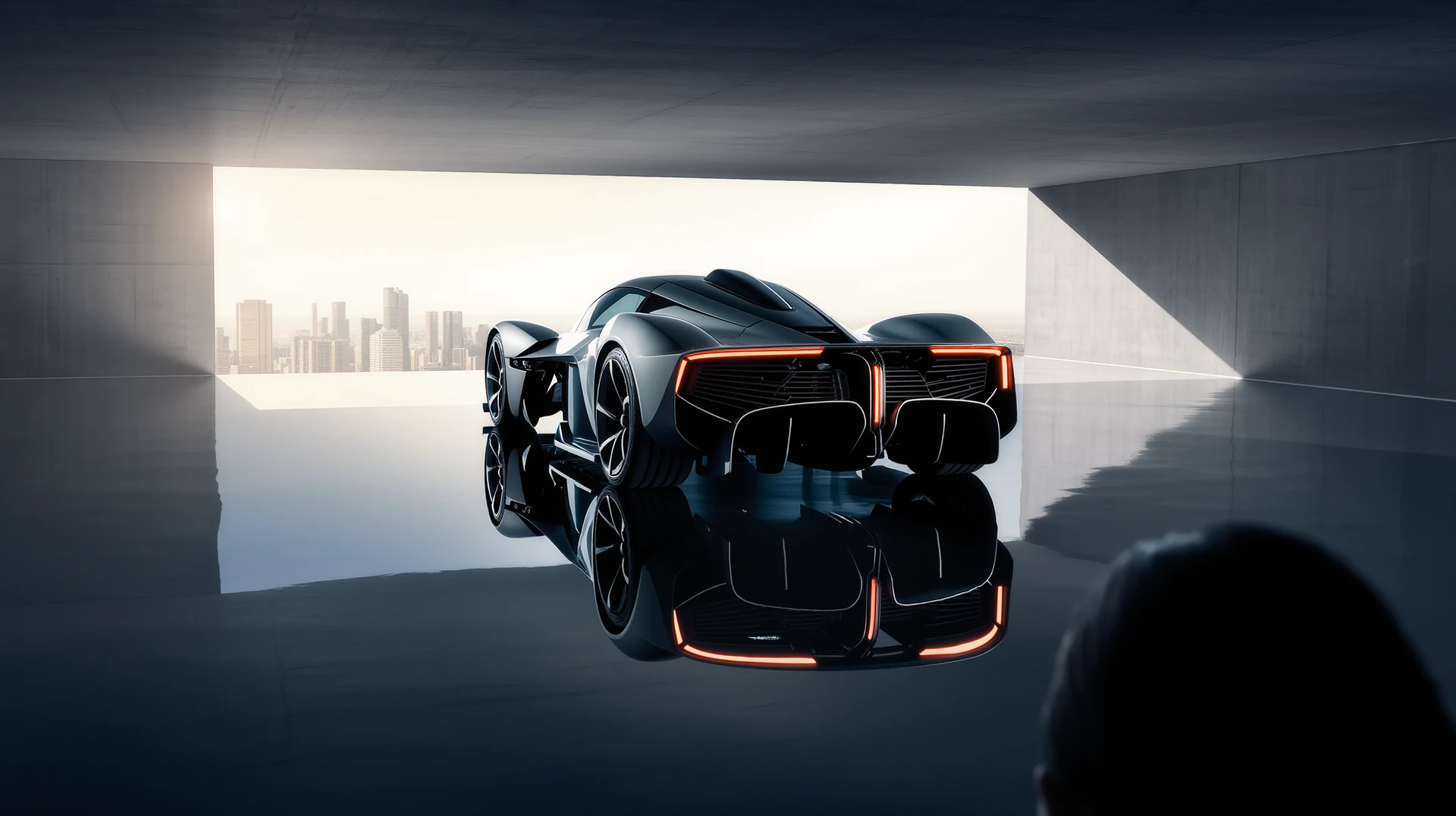
The automotive industry has witnessed a seismic shift in recent years, with electric supercars emerging as a formidable force in the high-performance vehicle market. This transformation is not merely a trend; it represents a fundamental change in how we perceive speed, luxury, and environmental responsibility. Brands that were once synonymous with roaring combustion engines are now pivoting towards electric powertrains, showcasing the potential of electric vehicles (EVs) to deliver exhilarating performance without the carbon footprint associated with traditional supercars.
The likes of Rimac, Tesla, and Pininfarina have set the stage for a new era, where acceleration and sustainability go hand in hand. Electric supercars are not just about reducing emissions; they are redefining the very essence of what a supercar can be. With instant torque delivery and advanced battery technology, these vehicles can achieve remarkable acceleration figures that rival their gasoline-powered counterparts.
For instance, the Rimac C_Two boasts a staggering 0-60 mph time of just 1.85 seconds, showcasing how electric motors can outperform traditional engines in terms of raw power and responsiveness. This performance capability is coupled with cutting-edge technology, such as regenerative braking and sophisticated energy management systems, which enhance both efficiency and driving dynamics. As manufacturers continue to innovate, the electric supercar segment is poised for exponential growth, attracting enthusiasts who seek both thrill and sustainability.
Key Takeaways
- Electric supercars are becoming increasingly popular, offering high performance and sustainability.
- Sustainable materials and design are being incorporated into the manufacturing of supercars to reduce environmental impact.
- Renewable energy sources are being utilized to power supercars, further promoting sustainability.
- Smart cities are integrating supercars into their infrastructure, creating a more efficient and sustainable transportation system.
- Supercars are playing a role in promoting sustainable transportation and reducing carbon emissions.
Sustainable Materials and Design in Supercar Manufacturing
As the demand for electric supercars rises, so too does the emphasis on sustainable materials and design practices within the manufacturing process. The traditional approach to supercar construction often involved materials like carbon fiber and aluminum, which, while lightweight and strong, come with significant environmental costs associated with their production. In contrast, modern manufacturers are exploring alternative materials that not only reduce the ecological footprint but also maintain the performance standards expected from high-end vehicles.
For example, some companies are experimenting with bio-based composites derived from natural fibers, which offer comparable strength-to-weight ratios while being more environmentally friendly. Moreover, the design philosophy behind electric supercars is evolving to prioritize sustainability at every stage of production. This includes not only the materials used but also the manufacturing processes themselves.
For instance, additive manufacturing, or 3D printing, allows for precise component creation that reduces material waste significantly compared to traditional subtractive methods. By integrating sustainable practices into their design and production processes, supercar manufacturers are setting new standards for luxury vehicles that align with contemporary environmental values.
Supercars and Renewable Energy
The intersection of supercars and renewable energy is becoming increasingly significant as the automotive industry seeks to reduce its reliance on fossil fuels. Electric supercars are often powered by batteries that can be charged using renewable energy sources such as solar or wind power. This synergy not only enhances the sustainability of these vehicles but also promotes a broader shift towards clean energy solutions in transportation.
For instance, some manufacturers are collaborating with energy companies to develop charging infrastructure that utilizes solar panels or wind turbines to generate electricity for EV charging stations. Additionally, the integration of renewable energy into the supercar ecosystem extends beyond just charging infrastructure. Some innovative companies are exploring the potential of vehicle-to-grid (V2G) technology, which allows electric vehicles to feed excess energy back into the grid during peak demand periods.
This not only helps stabilize energy supply but also provides an additional revenue stream for supercar owners. By harnessing renewable energy sources and implementing smart grid technologies, the supercar industry is contributing to a more sustainable energy landscape while enhancing the overall ownership experience.
The Integration of Supercars into Smart Cities
As urban environments evolve into smart cities, the role of supercars within these ecosystems is becoming increasingly relevant. Smart cities leverage technology to improve efficiency, sustainability, and quality of life for residents. Electric supercars fit seamlessly into this vision by offering high-performance mobility solutions that align with urban sustainability goals.
For example, cities are implementing smart traffic management systems that prioritize electric vehicles, reducing congestion and emissions while enhancing overall traffic flow. Moreover, the integration of supercars into smart city infrastructure can facilitate innovative transportation solutions such as autonomous driving and shared mobility services. Companies like Tesla are already exploring autonomous features in their vehicles, which could revolutionize how supercars are utilized in urban settings.
Imagine a scenario where electric supercars operate as part of a shared fleet, providing on-demand transportation while minimizing individual ownership burdens. This shift not only promotes sustainable transportation but also enhances accessibility and convenience for urban dwellers.
The Role of Supercars in Sustainable Transportation
Supercars have traditionally been viewed as symbols of excess and luxury; however, their evolution into electric vehicles presents an opportunity to redefine their role in sustainable transportation. By embracing electric powertrains and advanced technologies, supercars can serve as ambassadors for eco-friendly mobility solutions. Their high-performance capabilities challenge the misconception that sustainability equates to compromise in terms of speed and excitement.
As more consumers become environmentally conscious, the allure of electric supercars can inspire a broader acceptance of sustainable transportation options. Furthermore, supercar manufacturers are increasingly engaging in initiatives that promote sustainable practices beyond their own products. Many brands are investing in research and development aimed at improving battery technology and charging infrastructure, which benefits not only their vehicles but also the wider EV market.
By leading by example and demonstrating that high-performance vehicles can be environmentally responsible, supercar manufacturers play a crucial role in shaping public perception and encouraging a shift towards more sustainable transportation choices.
Supercars and Eco-Friendly Performance
The concept of performance is undergoing a transformation as electric supercars redefine what it means to be fast and powerful in an eco-friendly context. Traditional performance metrics such as horsepower and top speed are being complemented by new benchmarks that emphasize efficiency and sustainability. Electric motors provide instant torque delivery, allowing for rapid acceleration without the lag often associated with internal combustion engines.
Moreover, advancements in aerodynamics and lightweight construction techniques are further enhancing the performance capabilities of electric supercars while minimizing their environmental impact. Manufacturers are investing in wind tunnel testing and computational fluid dynamics to optimize vehicle shapes for reduced drag and improved efficiency.
For instance, the Porsche Taycan features an active aerodynamics system that adjusts its profile based on driving conditions to enhance performance while conserving energy. By focusing on eco-friendly performance metrics alongside traditional measures, supercar manufacturers are paving the way for a new generation of vehicles that deliver excitement without compromising sustainability.
The Future of Supercar Ownership in a Sustainable World
As society becomes increasingly aware of environmental issues, the future of supercar ownership is likely to evolve significantly. The traditional model of ownership, where individuals purchase high-end vehicles solely for personal use, may give way to more sustainable alternatives such as shared ownership or subscription services. These models not only reduce the number of vehicles on the road but also promote more efficient use of resources by allowing multiple users to enjoy high-performance vehicles without the associated environmental costs of individual ownership.
Additionally, advancements in technology will likely play a pivotal role in shaping the future of supercar ownership. With features like over-the-air updates and enhanced connectivity becoming standard in electric vehicles, owners will have access to continuous improvements in performance and functionality without needing to purchase new models frequently. This shift towards a more dynamic ownership experience aligns with sustainability goals by extending the lifecycle of vehicles and reducing waste associated with manufacturing new cars.
The Impact of Supercars on Sustainable Luxury Living
The emergence of electric supercars is influencing not only the automotive landscape but also broader concepts of luxury living in a sustainable world. As consumers increasingly prioritize sustainability alongside luxury, brands that embrace eco-friendly practices are likely to resonate more deeply with affluent buyers. Supercars that incorporate sustainable materials, renewable energy solutions, and advanced technologies reflect a lifestyle that values both performance and environmental responsibility.
Moreover, the integration of supercars into luxury living extends beyond mere transportation; it encompasses experiences that align with sustainable values. High-end resorts and exclusive events are beginning to feature electric supercars as part of their offerings, allowing guests to enjoy thrilling drives while minimizing their carbon footprint. This trend signifies a shift in consumer expectations where luxury is no longer defined solely by opulence but also by a commitment to sustainability.
As electric supercars continue to gain traction, they will undoubtedly play a pivotal role in shaping the future of luxury living in an environmentally conscious world.
FAQs
What are supercars?
Supercars are high-performance, luxury sports cars known for their speed, power, and advanced engineering. They are often considered status symbols and are designed for maximum performance on the road or track.
What is sustainable luxury living?
Sustainable luxury living refers to a lifestyle that prioritizes high-end, luxurious experiences and products while also being environmentally conscious and socially responsible. This includes using sustainable materials, reducing energy consumption, and supporting ethical and eco-friendly practices.
How are supercars being integrated into sustainable luxury living?
Supercar manufacturers are increasingly focusing on developing sustainable technologies, such as electric and hybrid powertrains, to reduce emissions and environmental impact. Additionally, there is a growing trend of incorporating supercars into eco-friendly luxury developments and communities, where they are part of a larger sustainable lifestyle.
What are some examples of sustainable supercars?
Examples of sustainable supercars include the Rimac C_Two, which is an all-electric hypercar with advanced battery technology, and the McLaren Artura, a hybrid supercar that combines performance with improved fuel efficiency. These vehicles showcase the industry’s shift towards sustainability without compromising on luxury and performance.
How do sustainable supercars contribute to luxury living?
Sustainable supercars offer the opportunity for luxury car enthusiasts to enjoy high-performance vehicles while aligning with their values of environmental responsibility. They also contribute to the overall sustainability of luxury living by showcasing the integration of advanced technology and eco-friendly practices in the automotive industry.
More from Magazine
Future of Supercars – Electric Revolution and Beyond
The future of supercars: Ferrari’s 2025 electric flagship, Porsche’s synthetic eFuel, Rimac’s record-breaking EVs and why the V12 su…
Supercar Technology Innovation Guide – The Future of Performance
Supercar technology guide: how carbon-fiber tubs, active aero, hybrids, dual-clutch gearboxes and software shape performance in the McLaren, Ferrari a…
Supercar Rental Worldwide Guide – Drive Your Dream Car Today
Supercar rental guide: daily rates from $500 to $20,000+, security deposits, insurance rules, top locations worldwide, and track packages explained.…