The Emotional Journey of Supercar Owners
The moment a person decides to acquire a supercar is often filled with an exhilarating rush of emotions. The anticipation builds as they research models, visit dealerships, and per…
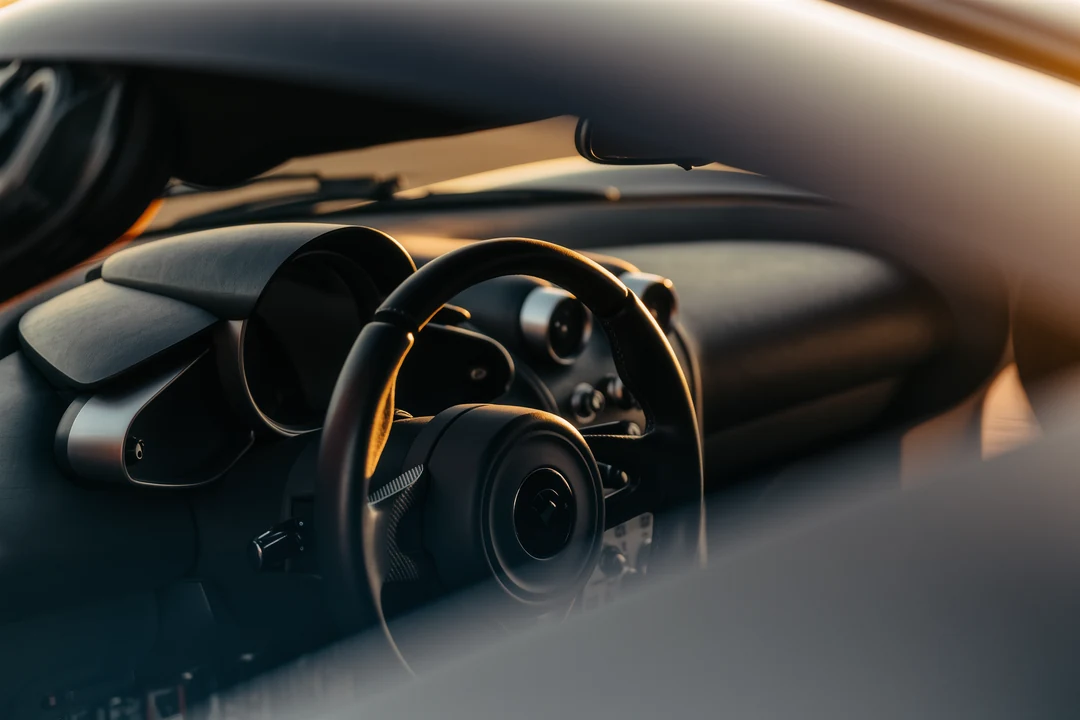
The moment a person decides to acquire a supercar is often filled with an exhilarating rush of emotions. The anticipation builds as they research models, visit dealerships, and perhaps even take test drives. The sound of a roaring engine, the sleek lines of the bodywork, and the promise of unparalleled performance create an intoxicating atmosphere.
For many, this is not just a purchase; it is a dream realized, a culmination of years of hard work and dedication. The initial excitement is palpable, as the owner envisions themselves behind the wheel, feeling the power surge through their veins as they accelerate down an open road. This emotional high is often accompanied by a sense of achievement that transcends mere material possession.
Owning a supercar symbolizes success and ambition, serving as a tangible representation of one’s aspirations. The thrill of acquiring such a vehicle can lead to an adrenaline-fueled euphoria, where every detail, from the smell of the leather interior to the gleam of the paint, becomes a source of joy. This moment is often shared with friends and family, amplifying the excitement as they celebrate the new acquisition.
The initial thrill is not just about the car itself; it’s about what it represents, a lifestyle, a status, and a personal victory.
Key Takeaways
- The initial excitement of acquiring a supercar can bring a thrilling emotional high.
- Owning a supercar can impact a person’s self-esteem and social standing, leading to a sense of pride and status.
- Dealing with the pressure and criticism from others for owning a luxury vehicle can lead to a fear of judgment.
- A strong emotional attachment often forms between a supercar owner and their vehicle, creating a deep bond.
- Maintaining and insuring a supercar can lead to stress and anxiety, creating a significant financial burden.
The Pride and Status: How owning a supercar can impact a person’s self-esteem and social standing
Owning a supercar can significantly elevate an individual’s self-esteem and social standing. The mere act of driving such an extraordinary vehicle can transform how one perceives themselves and how they are perceived by others. Supercars are often associated with wealth, success, and exclusivity, creating an aura of prestige around their owners.
This newfound status can lead to increased confidence, as individuals feel validated by their ability to own something that many only dream of. The pride that comes with such ownership can be profound, as it reflects not only financial success but also a passion for engineering excellence and design. Moreover, the social implications of owning a supercar can be far-reaching.
In many circles, these vehicles serve as status symbols that can open doors to exclusive events, clubs, and networks.
This sense of belonging can enhance one’s social life, providing opportunities to forge new friendships and connections based on shared interests.
However, this elevated status can also create a divide between supercar owners and those who do not share the same lifestyle, leading to complex social dynamics that can affect personal relationships.
The Fear of Judgment: Dealing with the pressure and criticism from others for owning a luxury vehicle
Despite the pride that comes with owning a supercar, there exists an undercurrent of fear regarding judgment from others. The luxury car market is often scrutinized, with many people holding preconceived notions about those who choose to invest in such vehicles. Critics may view supercar owners as ostentatious or frivolous, leading to feelings of vulnerability for those who have made this significant investment.
This fear of judgment can manifest in various ways, from anxiety about how one is perceived in public spaces to concerns about being labeled as elitist or out of touch with reality. Navigating this pressure requires a delicate balance between enjoying one’s vehicle and managing external perceptions. Some owners may feel compelled to justify their purchase, explaining their passion for automotive engineering or their commitment to responsible driving.
Others might choose to embrace the criticism, viewing it as a reflection of their success rather than a negative judgment. This dichotomy can create internal conflict; while the thrill of driving a supercar is undeniable, the weight of societal expectations can dampen the experience. Ultimately, how one responds to this fear of judgment can shape their relationship with their vehicle and influence their overall enjoyment.
The Emotional Attachment: The bond that forms between a supercar owner and their vehicle
The relationship between a supercar owner and their vehicle often transcends mere ownership; it evolves into a deep emotional attachment. This bond is cultivated through shared experiences, long drives on scenic routes, participation in car shows, or simply spending time admiring the craftsmanship of the vehicle. Each scratch or dent becomes a story, each drive an adventure that solidifies the connection between owner and machine.
For many enthusiasts, their supercar is not just a mode of transportation; it becomes an extension of their identity. This emotional attachment can also be fueled by the unique characteristics of supercars themselves. The roar of the engine, the precision handling, and the aesthetic beauty all contribute to an experience that is both exhilarating and intimate.
Owners often find themselves investing time in maintenance and customization, further deepening their connection to the vehicle. This relationship can evoke feelings akin to those experienced in human relationships, joy during moments of triumph on the road and sadness during times of wear or damage. As such, letting go of a supercar can be akin to parting with a cherished friend.
The Financial Burden: The stress and anxiety that can come with maintaining and insuring a supercar
While owning a supercar brings immense joy, it also comes with significant financial responsibilities that can lead to stress and anxiety. The initial purchase price is just the beginning; maintenance costs can be exorbitant due to specialized parts and labor required for high-performance vehicles. Routine services such as oil changes or tire replacements often come at premium prices compared to standard vehicles.
Additionally, owners must consider insurance premiums that reflect the value and performance capabilities of their cars, which can be substantially higher than average rates. This financial burden can create tension for some owners who may find themselves grappling with the reality of their investment. While many view their supercar as an asset or status symbol, others may experience buyer’s remorse when faced with ongoing costs that strain their budgets.
The pressure to maintain the vehicle in pristine condition can also add to this anxiety; owners may feel compelled to invest in detailing services or upgrades to preserve both performance and aesthetics. Balancing the joy of ownership with these financial realities requires careful planning and consideration.
The Sense of Responsibility: The emotional weight of owning a powerful and potentially dangerous vehicle
Owning a supercar comes with an inherent sense of responsibility that weighs heavily on many owners’ minds. These vehicles are not just powerful machines; they are capable of extraordinary speeds that demand respect and caution on the road. With great power comes great responsibility, a mantra that resonates deeply within the supercar community.
Owners must navigate the fine line between enjoying their vehicle’s capabilities and ensuring safety for themselves and others on the road. This emotional weight can manifest in various ways. Some owners may feel compelled to adhere strictly to speed limits or avoid certain driving conditions altogether to mitigate risks associated with high-performance driving.
Others might engage in defensive driving courses or track days to hone their skills behind the wheel, recognizing that mastery over such powerful machinery requires dedication and practice. This sense of responsibility extends beyond personal safety; many owners also feel accountable for how their actions reflect on the broader community of supercar enthusiasts.
The Community and Camaraderie: Finding support and connection with other supercar owners
One of the most rewarding aspects of owning a supercar is the sense of community that often accompanies it. Supercar owners frequently find themselves part of an exclusive club where shared passions foster camaraderie among enthusiasts. Car meets, rallies, and track days provide opportunities for owners to connect over their mutual love for high-performance vehicles.
These gatherings create an environment where individuals can share experiences, exchange tips on maintenance or modifications, and celebrate each other’s achievements. The bonds formed within this community can be profound, offering support during both joyous moments, such as showcasing a newly acquired vehicle, and challenging times, like dealing with repairs or financial concerns related to ownership. Many owners develop lasting friendships through these shared experiences, creating networks that extend beyond automotive interests into personal lives.
This sense of belonging can alleviate some pressures associated with ownership while enhancing the overall enjoyment derived from being part of something larger than oneself.
The Bittersweet Goodbye: The mixed emotions of parting ways with a beloved supercar
Eventually, every supercar owner faces the reality of parting ways with their beloved vehicle, a moment often fraught with mixed emotions. Whether due to financial considerations, lifestyle changes, or simply the desire for something new, letting go can be an emotionally charged experience. For many owners, this decision is not merely transactional; it represents the end of an era filled with memories forged through countless drives and adventures.
The bittersweet nature of this goodbye is compounded by nostalgia for what has been shared between owner and machine. Each drive holds significance, moments spent cruising along winding roads or attending car shows become cherished memories that linger long after the keys have been handed over. As they prepare for this transition, owners may find themselves reflecting on how much their supercar has shaped their identity and experiences over time.
Ultimately, while parting ways may bring sadness, it also opens doors for new adventures, whether that means acquiring another vehicle or simply embracing new chapters in life’s journey.
FAQs
What are the common emotions experienced by supercar owners?
Super car owners often experience a range of emotions including excitement, pride, satisfaction, and a sense of achievement. They may also feel a sense of responsibility and pressure to maintain and protect their valuable investment.
Do supercar owners experience any challenges or negative emotions?
Owning a supercar can also bring about challenges and negative emotions such as anxiety about potential damage or theft, frustration with maintenance costs, and the pressure to live up to the image associated with owning a high-performance vehicle.
How do supercar owners cope with the emotional aspects of owning a supercar?
Supercar owners cope with the emotional aspects of ownership by seeking support from other owners, participating in car clubs and events, and finding ways to enjoy and appreciate the experience of owning a supercar. Some may also seek professional help to manage the stress and pressure associated with ownership.
Are there any psychological benefits to owning a supercar?
Owning a supercar can provide psychological benefits such as a sense of accomplishment, increased confidence, and a source of joy and excitement. It can also serve as a symbol of success and achievement for the owner.
What are some common misconceptions about the emotional journey of supercar owners?
One common misconception is that supercar owners only experience positive emotions such as thrill and excitement. In reality, they also face challenges and negative emotions associated with the responsibilities and pressures of ownership. Additionally, there is a misconception that owning a supercar automatically brings happiness, when in fact, it is a complex emotional journey.
What emotions accompany buying a supercar?
Is buying a supercar just a purchase?
How does the emotional journey begin?
More from Magazine

Future of Supercars – Electric Revolution and Beyond
The future of supercars: Ferrari’s 2025 electric flagship, Porsche’s synthetic eFuel, Rimac’s record-breaking EVs and why the V12 su…

Supercar Technology Innovation Guide – The Future of Performance
Supercar technology guide: how carbon-fiber tubs, active aero, hybrids, dual-clutch gearboxes and software shape performance in the McLaren, Ferrari a…

Supercar Rental Worldwide Guide – Drive Your Dream Car Today
Supercar rental guide: daily rates from $500 to $20,000+, security deposits, insurance rules, top locations worldwide, and track packages explained.…