Supercars: The Symbol of Ultimate Freedom
The journey of supercars is a fascinating narrative that intertwines engineering prowess, design evolution, and cultural significance. The term “supercar” emerged in th…
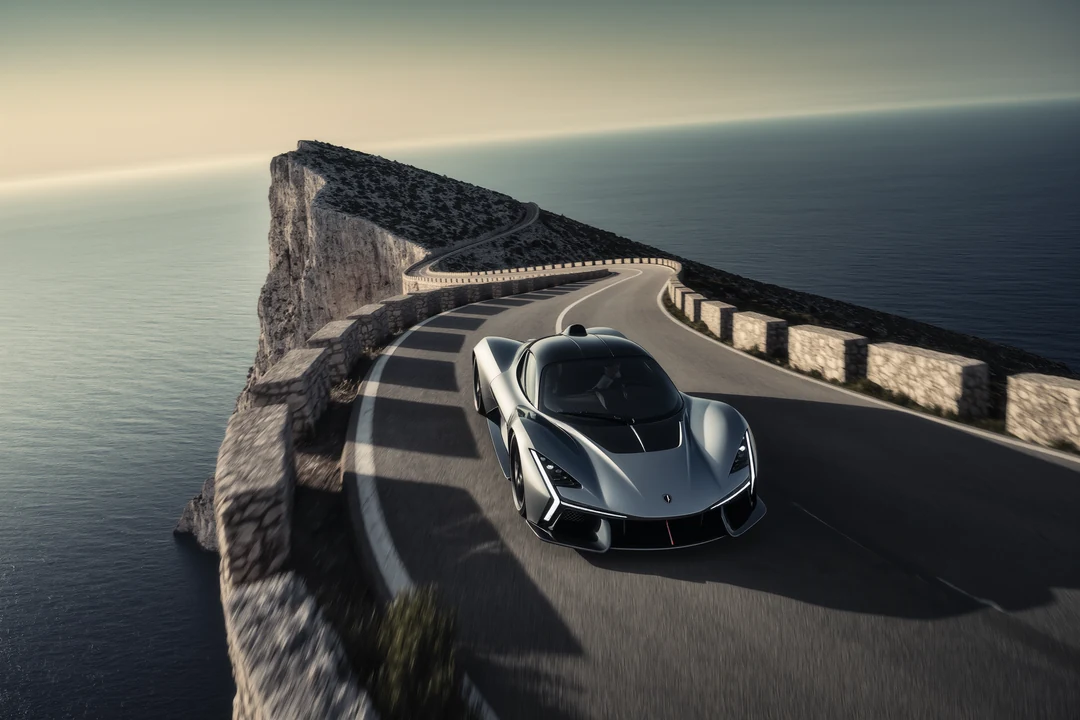
The journey of supercars is a fascinating narrative that intertwines engineering prowess, design evolution, and cultural significance. The term “supercar” emerged in the late 20th century, but its roots can be traced back to the early 1900s with vehicles like the Mercedes-Benz SSK and the Bugatti Type 35. These early models set the stage for what would become a relentless pursuit of speed, performance, and aesthetic appeal.
The post-World War II era saw a surge in automotive innovation, with manufacturers like Ferrari and Lamborghini pushing the boundaries of what was possible. The Ferrari 250 GTO, produced in the early 1960s, is often heralded as one of the first true supercars, combining breathtaking design with unparalleled performance on the racetrack. As the decades progressed, the definition of a supercar evolved alongside advancements in technology and design philosophy.
The 1970s introduced the iconic Lamborghini Countach, a vehicle that not only redefined aerodynamics with its sharp angles and scissor doors but also became a symbol of excess and aspiration. The 1980s and 1990s brought forth a new wave of supercars, including the Ferrari F40 and the McLaren F1, which showcased cutting-edge materials like carbon fiber and advanced engineering techniques. These vehicles were not merely modes of transportation; they became cultural icons, representing freedom, speed, and the pinnacle of automotive achievement.
Key Takeaways
- Supercars have evolved from classic to modern, with advancements in design, technology, and performance.
- The power and performance of supercars are unmatched, with high horsepower and top speeds that push the limits of automotive engineering.
- Luxury and comfort are key features of supercars, with high-end materials, advanced amenities, and customizability for a premium driving experience.
- The technology and innovation behind supercars drive advancements in aerodynamics, materials, and performance, setting new standards for the automotive industry.
- Supercars are exclusive and prestigious, with limited production runs, high price tags, and a status symbol for those who can afford them.
- Iconic supercars like the Lamborghini Countach, Ferrari F40, and McLaren F1 have left a lasting impact on the industry, setting benchmarks for performance and design.
- Driving a supercar is a thrilling experience, with unparalleled acceleration, handling, and adrenaline-inducing performance on the road or track.
- The future of supercars is moving towards sustainability and electric options, with manufacturers developing eco-friendly alternatives to traditional high-performance engines.
The Power and Performance of Supercars
At the heart of every supercar lies an engine that embodies raw power and performance. These vehicles are engineered to deliver exhilarating acceleration and top speeds that often exceed 200 miles per hour. For instance, the Bugatti Chiron boasts an 8.0-liter quad-turbocharged W16 engine that produces an astonishing 1,479 horsepower, allowing it to sprint from 0 to 60 mph in just 2.4 seconds.
This level of performance is not merely about speed; it is a testament to the meticulous engineering that goes into each component of the vehicle. Moreover, supercars are equipped with advanced aerodynamics that enhance their performance on both the road and track. Features such as active aerodynamics, which adjust wing angles and body contours based on speed and driving conditions, play a crucial role in maintaining stability at high velocities.
The McLaren P1, for example, utilizes a hybrid powertrain that combines a twin-turbo V8 engine with an electric motor, resulting in a combined output of 903 horsepower. This innovative approach not only boosts performance but also improves efficiency, showcasing how supercars are at the forefront of automotive technology.
The Luxury and Comfort of Supercars
While performance is paramount in supercars, luxury and comfort are equally significant aspects that define these high-end vehicles. Manufacturers understand that buyers of supercars expect an experience that transcends mere speed; they seek opulence and refinement within the cockpit. The interiors of modern supercars are often adorned with premium materials such as fine leather, carbon fiber accents, and bespoke finishes that reflect the owner’s personal taste.
For instance, the interior of a Pagani Huayra is a masterclass in craftsmanship, featuring hand-stitched leather seats and intricate details that elevate the driving experience to an art form. In addition to aesthetics, comfort features have also evolved significantly. Many supercars now come equipped with advanced climate control systems, state-of-the-art infotainment systems, and ergonomic seating designed for long-distance travel.
The Aston Martin Valkyrie exemplifies this blend of luxury and performance; despite its track-focused design, it offers a surprisingly comfortable ride with ample technology to keep drivers connected while on the move. This duality of purpose, offering both exhilarating performance and luxurious comfort, has become a hallmark of modern supercars.
The Technology and Innovation Behind Supercars
The realm of supercars is synonymous with cutting-edge technology and relentless innovation. Manufacturers invest heavily in research and development to push the boundaries of what is possible in automotive engineering. One notable advancement is the use of lightweight materials such as carbon fiber and aluminum alloys, which significantly reduce vehicle weight while maintaining structural integrity.
The use of these materials not only enhances performance but also improves fuel efficiency, a critical consideration in today’s automotive landscape. Furthermore, supercars are increasingly incorporating advanced driver-assistance systems (ADAS) that enhance safety without compromising performance. Features such as adaptive cruise control, lane-keeping assist, and advanced traction control systems are becoming standard in many high-performance vehicles.
The Porsche 918 Spyder is a prime example; it combines hybrid technology with sophisticated electronic systems that optimize power delivery and handling characteristics. This integration of technology not only elevates the driving experience but also ensures that supercars remain relevant in an era where safety and sustainability are paramount.
The Exclusivity and Prestige of Supercars
Owning a supercar is often seen as a status symbol, representing not just wealth but also a passion for automotive excellence. The exclusivity associated with these vehicles is cultivated through limited production runs and bespoke customization options offered by manufacturers. Brands like Bugatti and Pagani produce only a handful of units for each model, creating an aura of rarity that appeals to collectors and enthusiasts alike.
For instance, the Bugatti La Voiture Noire was produced as a one-off model, making it one of the most exclusive cars ever made. This exclusivity extends beyond mere numbers; it encompasses the entire ownership experience. Many manufacturers offer personalized services that allow buyers to tailor their vehicles to their specifications, from unique paint colors to custom interior materials.
This level of personalization fosters a deep connection between the owner and their vehicle, further enhancing its prestige. Additionally, events such as exclusive track days or private unveilings create communities among supercar owners, reinforcing their status within elite circles.
The Iconic Supercars That Define the Industry
Throughout automotive history, certain models have emerged as icons that define the supercar segment. The Ferrari F40, introduced in 1987, is often celebrated for its raw performance and minimalist design philosophy. It was one of the last models personally approved by Enzo Ferrari himself and remains a benchmark for enthusiasts seeking authenticity in performance cars.
Similarly, the McLaren F1 revolutionized supercar design with its central driving position and lightweight construction, setting standards for future generations. In more recent years, models like the Lamborghini Aventador have continued this legacy by combining aggressive styling with cutting-edge technology.
Each of these iconic models has contributed to shaping public perception of what a supercar should be, an embodiment of speed, luxury, and engineering excellence.
The Thrill of Driving a Supercar
The experience of driving a supercar transcends mere transportation; it is an emotional journey characterized by adrenaline and exhilaration. From the moment one steps into the cockpit, there is an unmistakable sense of anticipation as the engine roars to life. The tactile feedback from the steering wheel and pedals creates an intimate connection between driver and machine, allowing for precise control at high speeds.
This connection is particularly evident in models like the Porsche 911 GT3 RS, which offers an engaging driving experience that appeals to purists. Moreover, the sound produced by a supercar’s engine is often described as symphonic, a blend of mechanical growls and high-pitched wails that evoke excitement and passion. The visceral thrill of acceleration is complemented by advanced suspension systems that provide exceptional handling capabilities on both road and track.
Whether navigating winding mountain roads or tearing down a racetrack straightaway, driving a supercar offers an unparalleled sense of freedom and exhilaration that few experiences can match.
The Future of Supercars: Sustainability and Electric Options
As environmental concerns continue to shape global industries, the future of supercars is increasingly leaning towards sustainability without sacrificing performance or luxury. Manufacturers are exploring hybrid technologies that combine traditional internal combustion engines with electric powertrains to create more efficient yet powerful vehicles. The Ferrari SF90 Stradale exemplifies this shift; it features a plug-in hybrid system that delivers impressive performance while reducing emissions.
Additionally, fully electric supercars are beginning to emerge on the market, showcasing how electric power can deliver thrilling performance metrics traditionally associated with gasoline engines. Brands like Rimac Automobili have pioneered this movement with models like the Rimac C_Two, which boasts an astounding 1,914 horsepower from its electric motors while achieving remarkable acceleration times. This transition towards electrification represents not just a response to regulatory pressures but also an opportunity for manufacturers to redefine what performance means in the context of sustainability.
The evolution of supercars reflects broader trends within society, an intersection of passion for speed with an increasing awareness of environmental responsibility. As technology continues to advance, it will be fascinating to see how manufacturers balance these elements while maintaining the essence that makes supercars so desirable: unparalleled performance combined with luxury and exclusivity.
FAQs
What are supercars?
Supercars are high-performance, luxury sports cars that are designed for maximum speed, power, and handling. They are often considered the pinnacle of automotive engineering and design.
What makes a car a supercar?
Supercars are typically characterized by their high horsepower, advanced aerodynamics, lightweight construction, and cutting-edge technology. They are designed to deliver exceptional performance on both the road and the track.
What are some famous supercar brands?
Some of the most well-known supercar brands include Ferrari, Lamborghini, McLaren, Bugatti, Porsche, and Aston Martin. These brands are renowned for producing some of the most iconic and sought-after supercars in the world.
What is the significance of supercars as a symbol of ultimate freedom?
Supercars are often seen as a symbol of ultimate freedom due to their ability to provide an exhilarating driving experience and a sense of luxury and exclusivity. They represent the freedom to explore the open road and push the limits of performance.
Are supercars practical for everyday use?
While supercars are designed for high performance, they are not always practical for everyday use. They often have limited storage space, stiff suspension, and high maintenance costs, making them more suitable for occasional driving or track use.
What are some common features of supercars?
Supercars often feature advanced aerodynamics, powerful engines, lightweight materials such as carbon fiber, advanced suspension systems, and high-performance brakes. They also tend to have luxurious interiors with high-end technology and comfort features.
What power and performance define modern supercars?
How do supercars balance luxury with performance?
Where is the future of supercars heading?
More from Magazine
Future of Supercars – Electric Revolution and Beyond
The future of supercars: Ferrari’s 2025 electric flagship, Porsche’s synthetic eFuel, Rimac’s record-breaking EVs and why the V12 su…
Supercar Technology Innovation Guide – The Future of Performance
Supercar technology guide: how carbon-fiber tubs, active aero, hybrids, dual-clutch gearboxes and software shape performance in the McLaren, Ferrari a…
Supercar Rental Worldwide Guide – Drive Your Dream Car Today
Supercar rental guide: daily rates from $500 to $20,000+, security deposits, insurance rules, top locations worldwide, and track packages explained.…