Supercars and the Rise of Experiential Luxury
The term “supercar” has evolved significantly since its inception, reflecting changes in technology, consumer preferences, and automotive design philosophies. The genes…
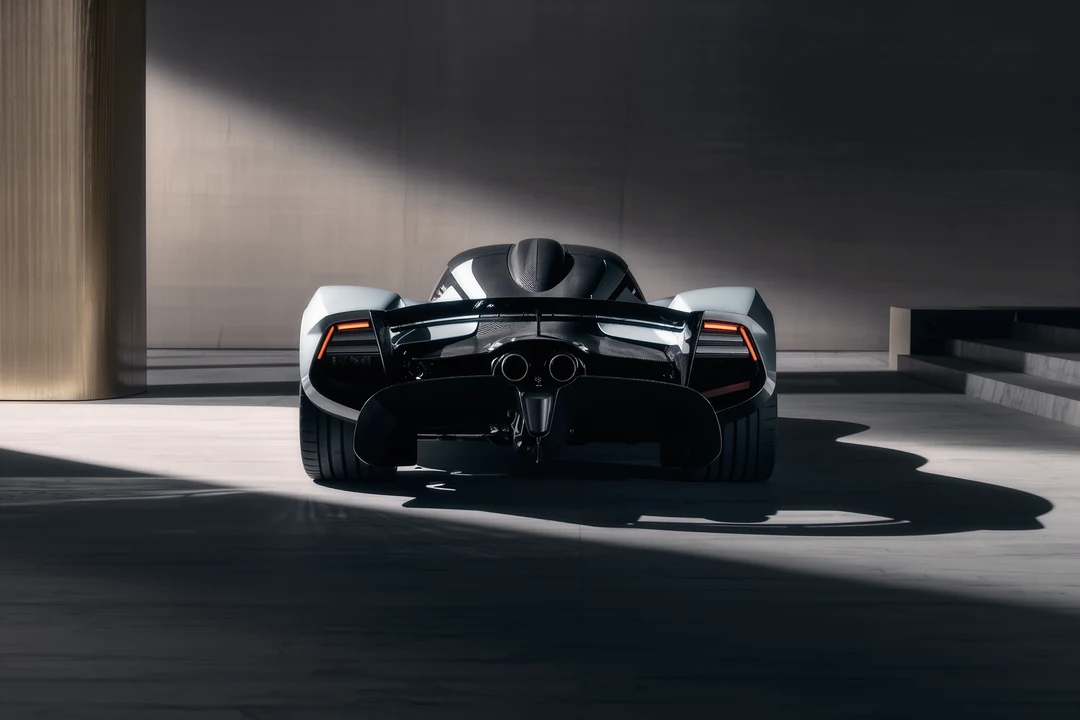
The term “supercar” has evolved significantly since its inception, reflecting changes in technology, consumer preferences, and automotive design philosophies. The genesis of the supercar can be traced back to the mid-20th century, with iconic models such as the Ferrari 250 GTO and the Lamborghini Miura setting the stage for what would become a fiercely competitive segment of the automotive market. These early supercars were characterized by their powerful engines, sleek designs, and a focus on performance that transcended the capabilities of standard sports cars.
The Miura, for instance, introduced a revolutionary mid-engine layout that not only enhanced handling but also established a new aesthetic standard for high-performance vehicles. As the decades progressed, the supercar segment witnessed a technological renaissance. The 1980s and 1990s brought forth models like the Porsche 959 and the McLaren F1, which pushed the boundaries of speed and engineering.
The introduction of turbocharging and advanced aerodynamics allowed these vehicles to achieve unprecedented performance metrics. The McLaren F1, often hailed as one of the greatest supercars of all time, was notable for its use of lightweight materials and a central driving position, which contributed to its record-breaking top speed of 240 mph. This era marked a shift towards not just raw power but also precision engineering, setting a benchmark for future supercars.
In the 21st century, the evolution of supercars has been further accelerated by advancements in hybrid technology and electric powertrains. Manufacturers like Ferrari and Porsche have embraced hybrid systems to enhance performance while also addressing environmental concerns. The LaFerrari and the Porsche 918 Spyder exemplify this trend, combining traditional combustion engines with electric motors to deliver extraordinary power while improving fuel efficiency.
This shift not only reflects changing consumer attitudes towards sustainability but also showcases how supercars are adapting to meet modern demands without compromising on performance or luxury.
Key Takeaways
- Supercars have evolved from being purely performance-driven to incorporating luxury and experiential elements.
- Technology has intersected with luxury in the supercar industry, leading to advanced features and customization options.
- There is a growing demand for experiential luxury in the supercar market, with consumers seeking unique and immersive experiences.
- Customization plays a significant role in the supercar industry, allowing owners to personalize their vehicles to their preferences.
- Experiential luxury has influenced supercar design, leading to the integration of high-end materials and innovative features.
The Intersection of Technology and Luxury
The intersection of technology and luxury in the supercar industry is a fascinating realm where cutting-edge engineering meets opulent design. Supercar manufacturers are increasingly leveraging advanced technologies to enhance both performance and the overall driving experience. For instance, many modern supercars are equipped with sophisticated infotainment systems that integrate seamlessly with smartphones, providing drivers with real-time data on vehicle performance, navigation, and entertainment options.
This integration not only elevates the driving experience but also aligns with the expectations of a tech-savvy clientele who demand connectivity alongside luxury. Moreover, the use of materials such as carbon fiber and titanium has revolutionized the construction of supercars, allowing for lighter and stronger vehicles that enhance both speed and safety. Brands like Bugatti have pioneered the use of these materials to create hypercars that are not only visually stunning but also engineered for optimal performance.
This marriage of technology and luxury is evident in every aspect of supercar design, from aerodynamics to interior finishes, where high-quality leathers and bespoke options cater to the discerning tastes of affluent buyers. Furthermore, advancements in driver-assistance technologies have begun to permeate the supercar market, enhancing safety without detracting from the exhilarating driving experience.
Features such as adaptive cruise control, lane-keeping assist, and advanced traction control systems are becoming standard in many high-performance vehicles. These technologies not only provide peace of mind for drivers but also allow them to push their vehicles to the limits with greater confidence. As supercar manufacturers continue to innovate, the integration of technology into luxury will likely deepen, creating vehicles that are as much about comfort and convenience as they are about speed and performance.
The Growing Demand for Experiential Luxury
In recent years, there has been a notable shift in consumer preferences towards experiential luxury rather than mere ownership of high-end products. This trend is particularly pronounced in the supercar market, where affluent buyers are increasingly seeking unique experiences that go beyond simply possessing a high-performance vehicle. The desire for experiential luxury is driven by a generation that values memories and experiences over material possessions, leading manufacturers to adapt their offerings accordingly.
Supercar brands are responding to this demand by creating exclusive events and driving experiences that allow owners to fully immerse themselves in the world of high-performance automobiles. For instance, companies like Lamborghini and Ferrari host track days where owners can test their vehicles’ capabilities in a controlled environment under the guidance of professional instructors. These events not only provide thrilling driving experiences but also foster a sense of community among supercar enthusiasts who share a passion for performance and luxury.
Additionally, experiential luxury extends beyond driving experiences to include lifestyle offerings that resonate with supercar owners. Collaborations with luxury brands in fashion, travel, and gastronomy have become increasingly common. For example, some manufacturers partner with high-end hotels or resorts to offer exclusive packages that include driving tours through scenic landscapes or access to private racetracks.
This holistic approach to luxury allows supercar brands to create memorable experiences that align with their customers’ lifestyles while reinforcing brand loyalty.
The Role of Customization in the Supercar Industry
Customization has become a cornerstone of the supercar industry, allowing buyers to tailor their vehicles to reflect their personal tastes and preferences. This trend is fueled by an increasing demand for individuality among affluent consumers who seek to stand out in a crowded marketplace. Supercar manufacturers have recognized this desire for personalization and have developed extensive customization programs that enable clients to choose everything from paint colors to interior materials.
For instance, brands like Pagani and Koenigsegg offer bespoke options that allow customers to create one-of-a-kind vehicles tailored specifically to their desires. Pagani’s “Huayra” model features an extensive range of customization options, including unique exterior finishes and personalized interior designs crafted from exotic materials such as leather and carbon fiber. This level of personalization not only enhances the ownership experience but also adds intrinsic value to the vehicle, as each customized supercar becomes a reflection of its owner’s personality.
Moreover, customization extends beyond aesthetics; it also encompasses performance enhancements that cater to individual driving preferences. Many manufacturers offer performance packages that allow buyers to modify aspects such as suspension tuning, exhaust systems, and engine mapping. This level of customization ensures that each supercar is not only visually distinct but also optimized for the specific driving experience desired by its owner.
As customization continues to play a pivotal role in the supercar industry, it reinforces the notion that these vehicles are not merely modes of transportation but rather expressions of personal identity.
The Influence of Experiential Luxury on Supercar Design
The growing emphasis on experiential luxury is significantly influencing supercar design philosophies. Manufacturers are increasingly focusing on creating vehicles that offer not just exceptional performance but also an immersive driving experience that engages all senses. This shift is evident in design elements that prioritize driver engagement and emotional connection over mere specifications.
For example, many modern supercars feature advanced cockpit designs that enhance driver interaction with the vehicle. The layout of controls is meticulously crafted to ensure intuitive access while driving at high speeds. Brands like Ferrari have invested heavily in ergonomics and user interface design to create an environment where drivers feel connected to their machines.
The tactile feedback from steering wheels wrapped in premium materials or the sound of an engine roaring to life are all carefully considered aspects that contribute to an exhilarating driving experience. Additionally, manufacturers are increasingly incorporating elements that enhance sensory engagement during drives.
This focus on creating an emotional connection between driver and vehicle reflects a broader trend within luxury markets where experiences are prioritized over traditional notions of ownership.
The Rise of Experiential Luxury Experiences for Supercar Owners
As experiential luxury continues to gain traction among affluent consumers, supercar manufacturers are developing unique experiences tailored specifically for their owners. These experiences go beyond traditional ownership benefits and aim to create lasting memories associated with their vehicles. From exclusive driving events to curated travel experiences, brands are crafting opportunities that resonate deeply with their clientele.
One notable example is the rise of supercar driving tours that take owners through breathtaking landscapes while providing opportunities for high-speed driving on scenic routes. Companies like “Supercar Tours” offer packages that include guided drives through iconic locations such as the Amalfi Coast or the Swiss Alps, allowing participants to experience their vehicles in stunning environments while enjoying camaraderie with fellow enthusiasts. These tours not only showcase the capabilities of each car but also create unforgettable memories tied to both the vehicle and the journey.
Furthermore, some manufacturers have begun offering exclusive memberships that grant access to private racetracks or events where owners can push their cars to their limits under professional supervision. These experiences often include personalized coaching from racing experts who help owners refine their driving skills while maximizing their enjoyment behind the wheel. By providing these immersive experiences, supercar brands are fostering deeper connections between owners and their vehicles while enhancing brand loyalty through shared passion.
The Impact of Experiential Luxury on Supercar Marketing and Branding
The shift towards experiential luxury has profound implications for how supercar brands approach marketing and branding strategies. Traditional marketing methods focused primarily on showcasing technical specifications or performance metrics are being replaced by narratives centered around lifestyle experiences and emotional connections. Brands are increasingly leveraging storytelling techniques that highlight not just what their cars can do but how they make owners feel.
For instance, marketing campaigns now often feature testimonials from owners who share their personal stories about memorable drives or unique experiences associated with their vehicles. By emphasizing these narratives, brands can create aspirational content that resonates with potential buyers on an emotional level rather than solely relying on data-driven comparisons with competitors. This approach aligns with contemporary consumer behavior where emotional engagement plays a crucial role in purchasing decisions.
Moreover, social media platforms have become vital tools for supercar brands looking to connect with younger audiences seeking experiential luxury opportunities. Engaging content showcasing thrilling drives or exclusive events can generate buzz around new models while fostering community among enthusiasts online. Brands like Lamborghini have successfully utilized platforms like Instagram to share visually stunning content that captures both the beauty of their cars and the exhilarating experiences associated with them.
The Future of Supercars and Experiential Luxury
Looking ahead, the future of supercars appears poised for continued evolution as experiential luxury becomes increasingly integral to brand identity and consumer expectations. As technology advances further, particularly in areas such as electric powertrains, supercar manufacturers will need to adapt not only their engineering practices but also how they engage with customers seeking unique experiences. The integration of augmented reality (AR) and virtual reality (VR) technologies may play a significant role in shaping future interactions between consumers and supercars.
Imagine potential buyers being able to virtually test drive models before making a purchase decision or experiencing immersive simulations that showcase what it feels like behind the wheel during high-speed maneuvers on iconic tracks around the world. Additionally, sustainability will likely become an even more pressing concern within this segment as consumers increasingly prioritize eco-friendly practices alongside luxury offerings. Manufacturers may need to explore innovative ways to balance performance with environmental responsibility while still delivering exhilarating driving experiences.
In conclusion, as we move forward into an era defined by experiential luxury within automotive markets, particularly among supercars, brands must remain agile in responding not just to technological advancements but also shifting consumer preferences toward meaningful connections forged through unforgettable experiences behind the wheel.
FAQs
What are supercars?
Supercars are high-performance, luxury sports cars that are known for their exceptional speed, power, and cutting-edge technology. They are often designed with sleek, aerodynamic shapes and feature advanced engineering to deliver top-tier performance on the road or track.
What is experiential luxury?
Experiential luxury refers to the trend of luxury consumers seeking unique and immersive experiences rather than just material possessions. This can include exclusive access to events, personalized services, and one-of-a-kind experiences that create lasting memories and emotional connections.
How are supercars and experiential luxury connected?
Supercars have become a symbol of experiential luxury, offering not only the thrill of driving a high-performance vehicle but also access to exclusive events, track days, and VIP experiences. Owning a supercar is not just about the car itself, but also about the lifestyle and experiences that come with it.
What are some examples of experiential luxury in the supercar industry?
Examples of experiential luxury in the supercar industry include private track days at top racing circuits, access to exclusive supercar clubs and events, personalized concierge services for owners, and bespoke customization options to create a truly unique driving experience.
How has the rise of experiential luxury impacted the supercar market?
The rise of experiential luxury has led supercar manufacturers to focus not only on the performance and design of their vehicles, but also on creating a complete luxury ownership experience. This has resulted in a shift towards offering more personalized and exclusive experiences for supercar owners, as well as a greater emphasis on lifestyle and brand image.
What is experiential luxury in the supercar world?
How do supercar brands create immersive experiences for owners?
Why is customisation important in the supercar industry?
More from Magazine
Future of Supercars – Electric Revolution and Beyond
The future of supercars: Ferrari’s 2025 electric flagship, Porsche’s synthetic eFuel, Rimac’s record-breaking EVs and why the V12 su…
Supercar Technology Innovation Guide – The Future of Performance
Supercar technology guide: how carbon-fiber tubs, active aero, hybrids, dual-clutch gearboxes and software shape performance in the McLaren, Ferrari a…
Supercar Rental Worldwide Guide – Drive Your Dream Car Today
Supercar rental guide: daily rates from $500 to $20,000+, security deposits, insurance rules, top locations worldwide, and track packages explained.…