Supercars and the Joy of Speed
The allure of supercars is undeniable, captivating the hearts of automotive enthusiasts and casual observers alike. These high-performance machines are not merely vehicles; they ar…
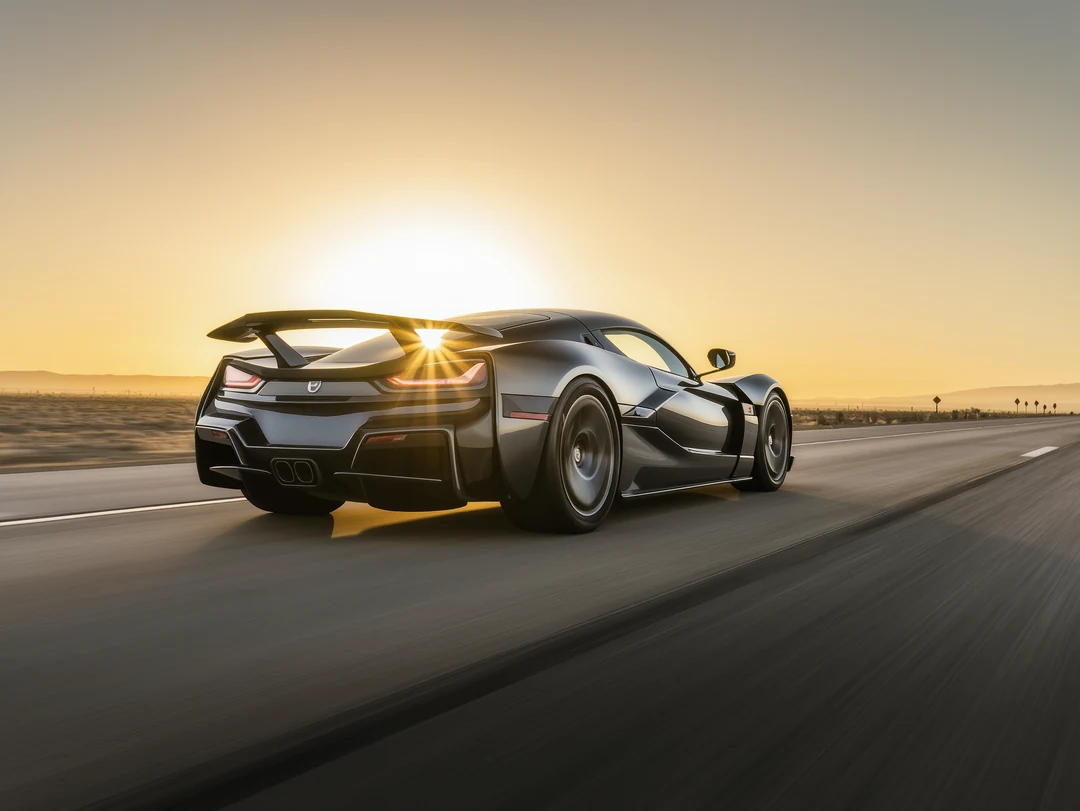
The allure of supercars is undeniable, captivating the hearts of automotive enthusiasts and casual observers alike. These high-performance machines are not merely vehicles; they are embodiments of speed, luxury, and cutting-edge technology. The thrill of driving a supercar is an experience that transcends the ordinary, offering a unique blend of power and precision that few other vehicles can match.
The roar of a finely-tuned engine, the sleek lines of aerodynamic design, and the rush of acceleration create an intoxicating cocktail that leaves an indelible mark on anyone fortunate enough to experience it. When one sits behind the wheel of a supercar, the world transforms. The cockpit is a sanctuary of advanced technology and luxurious materials, designed to enhance the driving experience.
The sensation of gripping the steering wheel, feeling the vibrations of the engine through the chassis, and hearing the symphony of exhaust notes creates an emotional connection that is hard to replicate. Each supercar is a testament to human ingenuity, pushing the boundaries of what is possible in automotive design and engineering. The thrill lies not just in speed but in the entire experience, every turn, every acceleration, and every moment spent in the presence of such engineering excellence.
Key Takeaways
- Supercars offer an unparalleled thrill and excitement for driving enthusiasts
- Supercars have evolved from high-performance luxury vehicles to cutting-edge technological marvels
- The engineering behind supercars showcases advanced aerodynamics, lightweight materials, and powerful engines
- Experiencing the speed and acceleration of a supercar is an exhilarating and adrenaline-pumping experience
- Driving a supercar provides a unique and unforgettable experience, combining luxury, performance, and precision handling
The Evolution of Supercars
The journey of supercars began in the mid-20th century when manufacturers started to push the limits of performance and design. Early examples like the Ferrari 250 GTO and the Lamborghini Miura set the stage for what would become a fiercely competitive segment in the automotive world. These vehicles were not just about speed; they represented a cultural shift towards performance-oriented cars that could also be considered works of art.
The Miura, often hailed as the first true supercar, introduced a mid-engine layout that would become a standard in future designs, showcasing how innovation could redefine automotive performance. As technology advanced, so did the capabilities of supercars. The 1980s and 1990s saw a surge in power and performance with models like the Porsche 959 and the McLaren F1.
These cars not only boasted incredible horsepower but also incorporated advanced materials such as carbon fiber and aluminum to reduce weight and enhance handling. The McLaren F1, in particular, set a benchmark for speed and engineering excellence, holding the title of the fastest production car for many years. This era marked a significant turning point where supercars began to embrace not just raw power but also aerodynamics and efficiency, laying the groundwork for modern supercar design.
The Engineering Marvels of Supercars
At the heart of every supercar lies an intricate web of engineering marvels that work in harmony to deliver unparalleled performance. From advanced aerodynamics to cutting-edge materials, these vehicles are meticulously crafted to achieve optimal speed and handling. One of the most significant advancements in supercar engineering is the use of lightweight materials such as carbon fiber and titanium.
These materials not only reduce weight but also enhance structural integrity, allowing manufacturers to create vehicles that are both fast and agile. Moreover, supercars are equipped with sophisticated suspension systems that provide exceptional handling characteristics. Active suspension systems can adjust in real-time to road conditions, ensuring that drivers maintain control even at high speeds.
Additionally, advancements in tire technology have led to the development of high-performance tires that offer superior grip and stability. The integration of electronic systems such as traction control and stability management further enhances the driving experience, allowing drivers to push their limits with confidence. Each component is designed with precision, reflecting a commitment to excellence that defines the supercar segment.
The Exhilaration of Speed
Speed is often regarded as the defining characteristic of supercars, and for good reason. The acceleration these vehicles can achieve is nothing short of breathtaking. Many modern supercars can go from 0 to 60 mph in under three seconds, a feat that was once reserved for only the most elite racing machines.
This exhilarating burst of speed is made possible by powerful engines that often exceed 600 horsepower, coupled with advanced transmission systems that ensure seamless gear shifts. The sensation of speed is not just about numbers; it’s about the visceral experience that comes with it. As a driver accelerates, there’s an overwhelming rush of adrenaline that courses through their veins.
This feeling is amplified by the sound of the engine, a deep growl or a high-pitched scream, that resonates within the cabin, creating an auditory experience that complements the visual thrill. For many enthusiasts, this exhilaration is what draws them to supercars; it’s an escape from reality, a moment where time seems to stand still as they embrace pure velocity.
The Experience of Driving a Supercar
Driving a supercar is an experience unlike any other, characterized by a unique blend of power, precision, and luxury. The moment one enters the cockpit, they are enveloped in an environment designed for performance. The seats are often crafted from premium materials like Alcantara or leather, providing both comfort and support during high-speed maneuvers.
Every control is intuitively placed within reach, allowing drivers to focus on the road ahead without distraction. The act of driving itself becomes an art form when behind the wheel of a supercar. The steering response is immediate and precise, allowing for effortless navigation through twists and turns.
The feedback from the road is palpable; drivers can feel every nuance as they push their vehicle to its limits. Whether it’s carving through mountain roads or accelerating on a straightaway, each moment spent driving a supercar is filled with excitement and engagement. This connection between driver and machine fosters a sense of empowerment that few other vehicles can replicate.
The Culture of Supercar Enthusiasts
The culture surrounding supercars is vibrant and passionate, drawing together enthusiasts from all walks of life who share a common love for these extraordinary machines. Car shows, track days, and meet-ups provide opportunities for fans to come together and celebrate their shared interests. These events often feature stunning displays of automotive artistry, showcasing everything from classic models to cutting-edge hypercars.
Enthusiasts take pride in their vehicles, often customizing them to reflect their personal style while adhering to performance standards. Social media has played a significant role in fostering this culture, allowing enthusiasts to connect globally and share their experiences.
Influencers within this space often provide insights into car reviews, modifications, and driving experiences, further fueling interest among potential buyers and fans alike. This community thrives on camaraderie; members often share tips on maintenance or modifications while celebrating each other’s achievements in car ownership.
The Future of Supercars
As we look toward the future, supercars are poised for significant transformation driven by advancements in technology and changing consumer preferences. One notable trend is the increasing integration of hybrid and electric powertrains into supercar design. Manufacturers like Ferrari and Porsche have already begun to explore hybrid models that combine traditional combustion engines with electric motors to enhance performance while reducing emissions.
This shift not only aligns with global sustainability goals but also opens up new possibilities for power delivery and efficiency. Moreover, advancements in autonomous driving technology may also influence the future landscape of supercars. While purists may argue that driving should remain a hands-on experience, there’s potential for hybrid systems that allow for both manual control and automated driving modes.
This duality could cater to a broader audience while maintaining the thrill that comes with driving a high-performance vehicle. As manufacturers continue to innovate, we can expect supercars to evolve into even more sophisticated machines that blend performance with sustainability.
The Impact of Supercars on the Automotive Industry
Supercars have had a profound impact on the automotive industry as a whole, serving as benchmarks for performance and innovation that trickle down into more mainstream vehicles. The technologies developed for supercars often find their way into everyday cars, whether it’s advancements in aerodynamics or improvements in engine efficiency, pushing manufacturers to elevate their offerings across all segments. This influence has led to an overall enhancement in vehicle performance and safety features available to consumers.
Furthermore, supercars have become symbols of aspiration and achievement within popular culture. They represent not just speed but also status; owning a supercar is often seen as a hallmark of success. This perception drives demand not only for high-end models but also for brands associated with luxury and performance.
As manufacturers continue to invest in research and development for supercars, they inadvertently raise standards across the entire automotive landscape, encouraging competition that ultimately benefits consumers through improved technology and design across all vehicle classes.
FAQs
What are supercars?
Supercars are high-performance, luxury sports cars that are designed for maximum speed, acceleration, and handling. They are often equipped with powerful engines, advanced aerodynamics, and cutting-edge technology.
What makes supercars different from regular cars?
Supercars are distinguished from regular cars by their exceptional performance, high price tags, and exclusive production numbers. They are designed to push the limits of speed and engineering, offering a thrilling driving experience.
What are some famous supercar brands?
Some well-known supercar brands include Ferrari, Lamborghini, McLaren, Bugatti, Porsche, and Aston Martin. These manufacturers are renowned for producing some of the fastest and most luxurious cars in the world.
What is the joy of speed associated with supercars?
The joy of speed associated with supercars comes from the exhilarating sensation of acceleration, the thrill of reaching high speeds, and the precise handling that these vehicles offer. Driving a supercar can provide an adrenaline rush and a sense of freedom on the open road or racetrack.
Are supercars practical for everyday use?
Supercars are not typically practical for everyday use due to their high cost, limited storage space, and firm suspension that may not be comfortable for daily commuting. However, some supercar models offer more practical features for regular driving.
What are some common features of supercars?
Common features of supercars include lightweight construction, high-performance engines, advanced aerodynamics, carbon fiber components, racing-inspired interiors, and state-of-the-art technology for optimal performance and driver comfort.
More from Magazine
Future of Supercars – Electric Revolution and Beyond
The future of supercars: Ferrari’s 2025 electric flagship, Porsche’s synthetic eFuel, Rimac’s record-breaking EVs and why the V12 su…
Supercar Technology Innovation Guide – The Future of Performance
Supercar technology guide: how carbon-fiber tubs, active aero, hybrids, dual-clutch gearboxes and software shape performance in the McLaren, Ferrari a…
Supercar Rental Worldwide Guide – Drive Your Dream Car Today
Supercar rental guide: daily rates from $500 to $20,000+, security deposits, insurance rules, top locations worldwide, and track packages explained.…