Supercars and the Future of Lifestyle Branding
Supercars have long been synonymous with speed, luxury, and exclusivity. These high-performance vehicles are not merely modes of transportation; they represent a lifestyle that man…
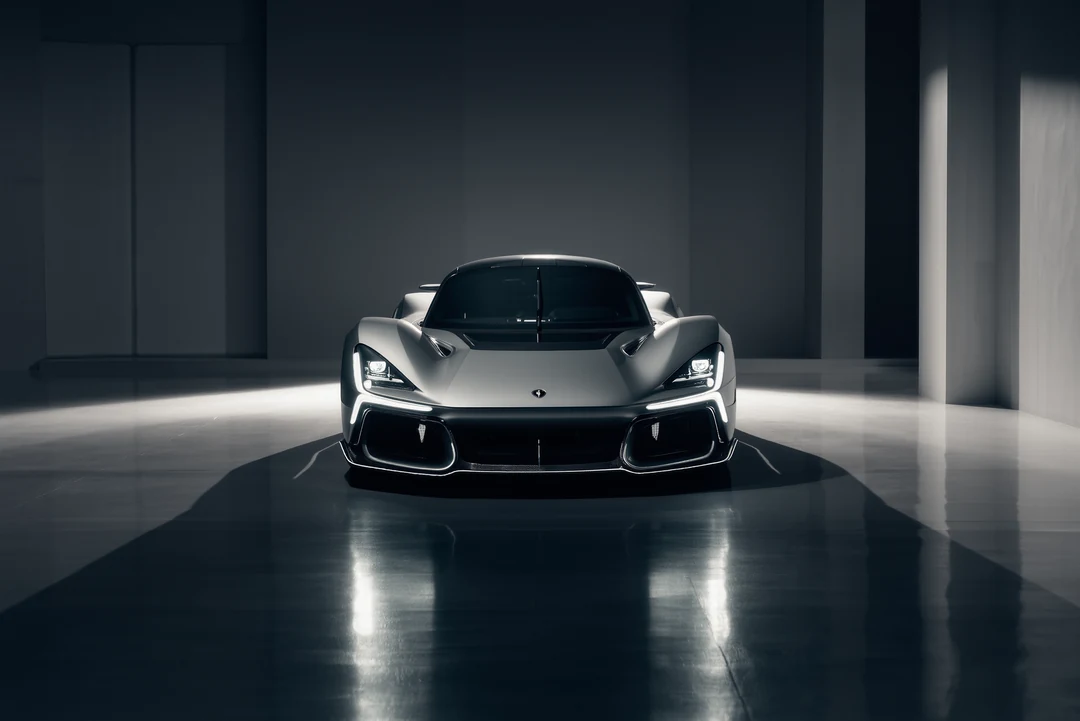
Supercars have long been synonymous with speed, luxury, and exclusivity. These high-performance vehicles are not merely modes of transportation; they represent a lifestyle that many aspire to attain. The allure of supercars extends beyond their engineering marvels and aesthetic appeal; they embody a certain status that resonates deeply within the realms of wealth and success.
As such, supercars have become pivotal in lifestyle branding, where the image of the car is intricately woven into the fabric of personal identity and social standing. This phenomenon is not just about owning a fast car; it’s about the narrative that accompanies it, the experiences it promises, and the community it fosters.
Supercars, with their sleek designs and powerful engines, are marketed not just as vehicles but as symbols of aspiration and achievement. Brands like Ferrari, Lamborghini, and Bugatti have cultivated identities that resonate with luxury and exclusivity, appealing to consumers who wish to align themselves with these ideals. The intersection of supercars and lifestyle branding creates a unique dynamic where the car becomes a canvas for personal expression, reflecting the owner’s values, ambitions, and social circles.
Key Takeaways
- Supercars have become synonymous with luxury and status, making them a key element in lifestyle branding.
- The evolution of supercars as a status symbol has been influenced by their association with wealth, power, and exclusivity.
- Supercars have a significant impact on lifestyle branding, as they are often used to convey a certain image or lifestyle to consumers.
- Social media plays a crucial role in promoting supercars as lifestyle brands, allowing for widespread exposure and aspirational marketing.
- The future of supercars and lifestyle branding will likely be shaped by the increasing focus on sustainability and the connection between luxury and lifestyle brands.
The Evolution of Supercars as a Status Symbol
The journey of supercars as status symbols can be traced back to the early 20th century when automotive engineering began to reach new heights. Brands like Bugatti and Alfa Romeo set the stage for what would become a legacy of performance and prestige. The introduction of models such as the Bugatti Type 35 in the 1920s showcased not only speed but also craftsmanship, establishing a benchmark for luxury vehicles.
As these cars became associated with racing success and elite clientele, they began to symbolize not just wealth but also a refined taste in engineering and design. As the decades progressed, the concept of the supercar evolved significantly. The 1960s and 1970s saw the emergence of iconic models like the Lamborghini Miura and the Ferrari 250 GTO, which captured the imagination of car enthusiasts and collectors alike.
These vehicles were not only fast; they were works of art that represented a lifestyle characterized by adventure, freedom, and rebellion against the mundane. The cultural significance of supercars was further amplified by their appearances in films and media, where they were often depicted as the ultimate reward for hard work and success. This portrayal solidified their status as symbols of aspiration, making them coveted possessions among the elite.
The Influence of Supercars on Lifestyle Branding
Supercars have had a profound influence on lifestyle branding, shaping how luxury products are marketed across various sectors. The very essence of a supercar, its design, performance, and exclusivity, has become a template for brands seeking to position themselves within the luxury market. For instance, fashion brands often collaborate with automotive manufacturers to create limited-edition apparel or accessories that echo the aesthetics of supercars.
This cross-pollination between industries highlights how supercars serve as a benchmark for luxury, influencing everything from high-end watches to bespoke clothing. Moreover, supercars have inspired a culture of exclusivity that extends beyond the automotive world. Events such as car shows, track days, and exclusive driving experiences have become integral to the supercar lifestyle.
These gatherings not only showcase the vehicles but also foster communities where enthusiasts can share their passion. Brands leverage these events to create immersive experiences that resonate with their target audience, reinforcing the idea that owning a supercar is not just about possession but about belonging to an elite circle. This lifestyle branding strategy effectively transforms consumers into brand ambassadors who embody the values associated with supercar ownership.
The Role of Social Media in Promoting Supercars as Lifestyle Brands
In recent years, social media has emerged as a powerful tool for promoting supercars as lifestyle brands. Platforms like Instagram, TikTok, and YouTube have become essential channels for showcasing these vehicles in visually captivating ways. Influencers and automotive enthusiasts share stunning images and videos that highlight not only the cars themselves but also the experiences associated with them, driving through picturesque landscapes, attending exclusive events, or participating in high-speed races.
This visual storytelling creates an aspirational narrative that resonates with followers who dream of living the supercar lifestyle. The impact of social media on lifestyle branding is particularly evident in how brands engage with their audience. Manufacturers like McLaren and Porsche actively curate their online presence by sharing behind-the-scenes content, customer stories, and interactive campaigns that invite fans to participate in the conversation.
This engagement fosters a sense of community among enthusiasts while reinforcing brand loyalty. Additionally, user-generated content plays a significant role in shaping perceptions; when fans share their own experiences with supercars, it adds authenticity to the brand narrative and encourages others to aspire to similar lifestyles.
The Future of Supercars and Lifestyle Branding
As we look toward the future, the landscape of supercars and lifestyle branding is poised for transformation. The rise of electric vehicles (EVs) is reshaping consumer expectations regarding performance and sustainability. Brands like Tesla have already demonstrated that electric supercars can deliver exhilarating performance while appealing to environmentally conscious consumers.
This shift presents an opportunity for traditional supercar manufacturers to innovate and adapt their branding strategies to align with changing consumer values. Moreover, advancements in technology are likely to influence how supercars are marketed as lifestyle brands. The integration of augmented reality (AR) and virtual reality (VR) into marketing campaigns could provide potential buyers with immersive experiences that allow them to explore vehicles in unprecedented ways.
Imagine being able to take a virtual test drive or customize your dream car from the comfort of your home, these innovations could redefine how consumers interact with supercar brands and enhance their overall experience.
The Impact of Sustainability on Supercars and Lifestyle Branding
Sustainability has become an increasingly important consideration in the automotive industry, influencing both manufacturing practices and consumer preferences. As awareness of environmental issues grows, consumers are seeking products that align with their values, this includes luxury items like supercars. Manufacturers are responding by investing in sustainable technologies and materials while also emphasizing their commitment to reducing carbon footprints.
Brands such as Lamborghini have announced plans to introduce hybrid models that combine traditional combustion engines with electric powertrains, allowing them to maintain performance while reducing emissions. This shift not only addresses environmental concerns but also positions these brands as forward-thinking leaders in the luxury market. By embracing sustainability, supercar manufacturers can appeal to a new generation of consumers who prioritize eco-friendliness alongside performance and prestige.
The Connection Between Supercars, Luxury, and Lifestyle Brands
The connection between supercars, luxury, and lifestyle brands is deeply intertwined, creating a complex web of associations that define consumer perceptions. Supercars epitomize luxury through their meticulous craftsmanship, cutting-edge technology, and exclusivity, attributes that are highly sought after in other luxury sectors such as fashion, watches, and travel. This interconnectedness allows brands across various industries to leverage the allure of supercars in their marketing strategies.
For instance, high-end fashion houses often draw inspiration from automotive design when creating collections that reflect speed and sophistication. Collaborations between luxury brands and automotive manufacturers result in limited-edition products that capture the essence of both worlds. These partnerships not only enhance brand visibility but also reinforce the idea that owning a supercar is part of a broader luxury lifestyle, one characterized by elegance, refinement, and an appreciation for artistry.
The Continued Influence of Supercars on Lifestyle Branding
The influence of supercars on lifestyle branding is undeniable; they serve as powerful symbols of aspiration and success while shaping consumer perceptions across various industries. As we navigate an evolving landscape marked by technological advancements and shifting consumer values, supercars will continue to play a pivotal role in defining what it means to live a luxurious lifestyle. Whether through innovative marketing strategies or sustainable practices, the relationship between supercars and lifestyle branding will remain dynamic, reflecting broader societal trends while continuing to captivate enthusiasts around the world.
FAQs
What are supercars?
Supercars are high-performance, luxury sports cars that are known for their speed, power, and advanced engineering. They are often designed with cutting-edge technology and materials to achieve top speeds and superior handling.
What is lifestyle branding?
Lifestyle branding is a marketing strategy that focuses on creating a brand image that aligns with a particular lifestyle or set of values. It goes beyond simply promoting a product and aims to connect with consumers on a personal and emotional level.
How are supercars and lifestyle branding connected?
Supercar manufacturers often use lifestyle branding to appeal to their target audience. By associating their brand with luxury, performance, and exclusivity, they aim to attract consumers who aspire to a certain lifestyle and image.
What is the future of lifestyle branding for supercars?
The future of lifestyle branding for supercars is likely to involve a greater emphasis on sustainability, technology, and personalization. As consumer preferences and values evolve, supercar brands will need to adapt their branding strategies to remain relevant and appealing.
More from Magazine
Future of Supercars – Electric Revolution and Beyond
The future of supercars: Ferrari’s 2025 electric flagship, Porsche’s synthetic eFuel, Rimac’s record-breaking EVs and why the V12 su…
Supercar Technology Innovation Guide – The Future of Performance
Supercar technology guide: how carbon-fiber tubs, active aero, hybrids, dual-clutch gearboxes and software shape performance in the McLaren, Ferrari a…
Supercar Rental Worldwide Guide – Drive Your Dream Car Today
Supercar rental guide: daily rates from $500 to $20,000+, security deposits, insurance rules, top locations worldwide, and track packages explained.…