Supercars and the Dream of Escaping the Ordinary
Supercars have an undeniable allure that captivates enthusiasts and casual observers alike. This fascination stems from a combination of engineering excellence, aesthetic beauty, a…
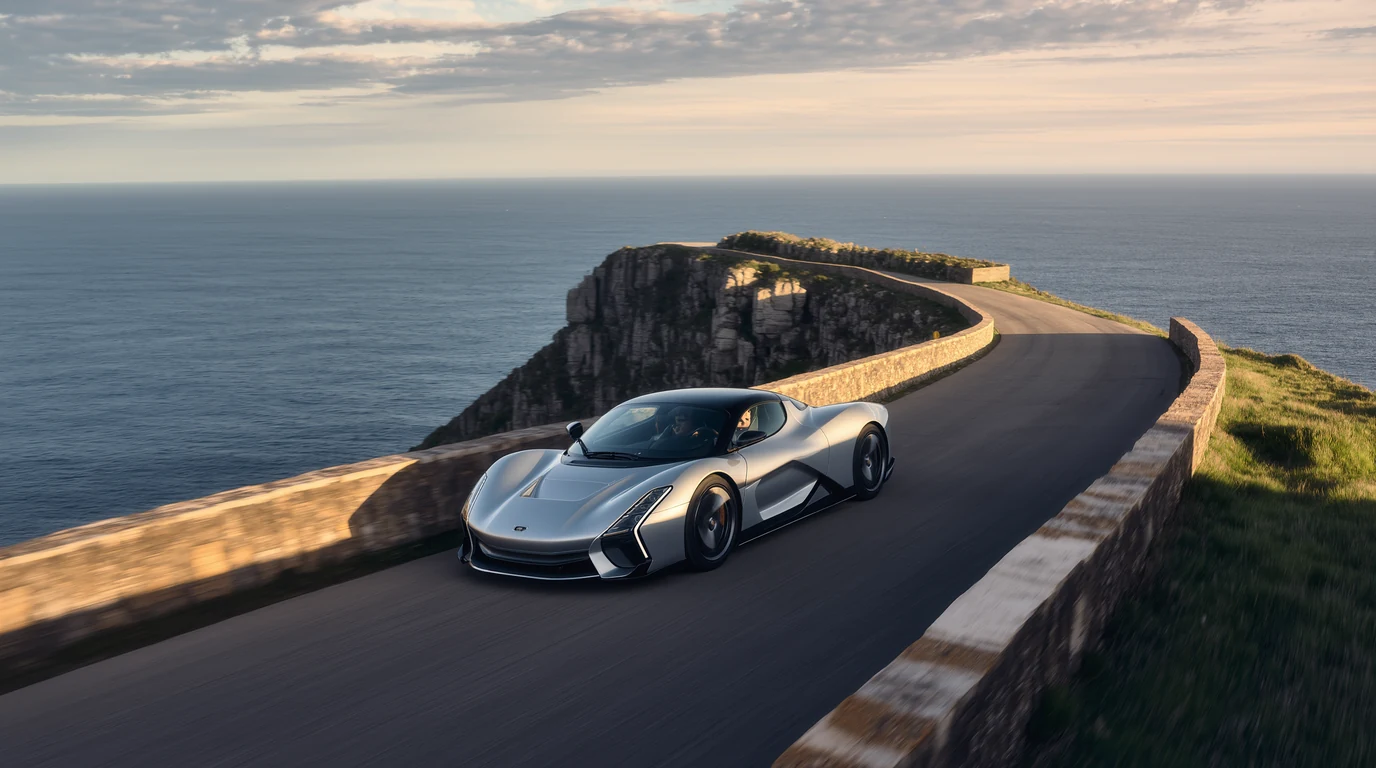
Supercars have an undeniable allure that captivates enthusiasts and casual observers alike. This fascination stems from a combination of engineering excellence, aesthetic beauty, and the promise of exhilarating performance. At their core, supercars represent the pinnacle of automotive technology, often featuring cutting-edge materials like carbon fiber and titanium, advanced aerodynamics, and powerful engines that can propel them from 0 to 60 mph in mere seconds.
The meticulous craftsmanship that goes into each vehicle not only enhances performance but also creates a sense of exclusivity and prestige. Brands like Ferrari, Lamborghini, and Bugatti have cultivated a mystique around their vehicles, making them symbols of success and aspiration. Moreover, the design of supercars is a significant factor in their allure.
These vehicles are often sculpted with an artistic flair that transcends mere functionality. The sleek lines, aggressive stances, and eye-catching colors are designed to turn heads and evoke emotions. For many, owning a supercar is not just about transportation; it’s about possessing a piece of art that embodies speed, power, and luxury.
The sound of a supercar’s engine, often described as a symphony of mechanical prowess, adds another layer to the experience, creating an auditory signature that enthusiasts can recognize from blocks away. This combination of performance, design, and sound creates an intoxicating allure that few can resist.
Key Takeaways
- Super cars are special because of their exceptional performance, cutting-edge technology, and exclusive design.
- The history of supercars spans from iconic classics like the Lamborghini Miura to modern marvels like the Bugatti Chiron.
- People crave supercars for the status symbol, adrenaline rush, and the sense of accomplishment they provide.
- Driving a supercar offers a thrilling experience with unparalleled speed, precision handling, and a powerful engine roar.
- Supercars have left a significant impact on popular culture, appearing in movies, music videos, and becoming a symbol of luxury and success.
The history of supercars: From the classics to the modern marvels
The history of supercars is rich and varied, tracing back to the early 20th century when manufacturers began to push the boundaries of speed and performance. The term “supercar” itself gained traction in the 1960s with the introduction of iconic models like the Lamborghini Miura and the Ferrari 250 GTO. These vehicles not only showcased remarkable engineering but also set new standards for what a high-performance car could be.
The Miura, often hailed as the first true supercar, featured a mid-engine layout that revolutionized sports car design and established a template that many manufacturers would follow. As the decades progressed, the supercar evolved alongside advancements in technology and design philosophy. The 1980s saw the emergence of models like the Ferrari F40 and the Porsche 959, which combined blistering speed with innovative features such as turbocharging and all-wheel drive.
The 1990s introduced the McLaren F1, a car that redefined performance benchmarks with its lightweight construction and a top speed that remained unchallenged for years. The turn of the millennium brought forth a new era of hypercars, with models like the Bugatti Veyron pushing the limits of engineering to achieve speeds exceeding 250 mph. Today’s supercars continue this legacy, incorporating hybrid technology and advanced electronics to enhance both performance and efficiency.
The psychology of supercar ownership: Why do people crave them?
The desire to own a supercar often transcends mere admiration for engineering; it taps into deeper psychological motivations. For many individuals, owning a supercar is a manifestation of personal achievement and status. In societies where material success is often equated with self-worth, a supercar serves as a tangible symbol of one’s accomplishments.
This desire for status can be traced back to social psychology theories such as Maslow’s hierarchy of needs, where esteem needs play a crucial role in motivating individuals to seek recognition and validation from others. Additionally, the thrill associated with supercar ownership can be linked to the concept of escapism. In an increasingly fast-paced world filled with responsibilities and stressors, driving a supercar offers an exhilarating escape from the mundane.
The sheer power and speed provide an adrenaline rush that few other experiences can match. This thrill is not just about speed; it’s about the feeling of control and freedom that comes with driving a high-performance vehicle. For many owners, each drive becomes an opportunity to break free from everyday constraints and indulge in a moment of pure joy.
The experience of driving a supercar: A thrill like no other
Driving a supercar is often described as an unparalleled experience that engages all the senses. The moment one slips into the driver’s seat, they are enveloped by an environment designed for performance, luxurious materials, ergonomic controls, and cutting-edge technology create an atmosphere that heightens anticipation. As the engine roars to life, the vibrations resonate through the chassis, igniting excitement even before the car begins to move.
The sensation of acceleration is nothing short of intoxicating; the rapid surge forward creates a visceral connection between driver and machine. The handling characteristics of supercars further enhance this experience. With precision engineering and advanced suspension systems, these vehicles respond intuitively to driver inputs, allowing for an exhilarating sense of control during high-speed maneuvers.
Whether navigating winding roads or accelerating on straightaways, the feedback from the steering wheel and chassis provides an immersive driving experience that few cars can replicate. This connection fosters a sense of confidence and empowerment, making each drive not just a journey but an adventure filled with excitement.
The impact of supercars on popular culture: From movies to music
Supercars have permeated popular culture in ways that extend beyond their mechanical prowess; they have become icons in film, music, and art. Movies like “The Fast and the Furious” franchise have elevated supercars to cultural symbols of rebellion, freedom, and adrenaline-fueled excitement. These films showcase high-octane chases and jaw-dropping stunts that highlight the capabilities of these vehicles while embedding them into the collective consciousness as aspirational objects.
The visual spectacle created by these films has contributed significantly to the allure surrounding supercars. In addition to film, supercars have found their place in music as well. Artists across genres have referenced these vehicles in their lyrics or featured them in music videos as symbols of wealth and success.
For instance, hip-hop culture often celebrates luxury cars as markers of achievement, with artists showcasing their collections as part of their public personas. This intersection between supercars and popular culture reinforces their status as aspirational objects while simultaneously shaping societal perceptions about wealth and success.
The future of supercars: What can we expect from the next generation?
As we look toward the future of supercars, several trends are emerging that will shape their evolution in the coming years.
Manufacturers are beginning to explore how electric powertrains can deliver not only efficiency but also exhilarating performance characteristics traditionally associated with gasoline engines.
For example, models like the Rimac C_Two demonstrate how electric motors can provide instantaneous torque delivery, resulting in breathtaking acceleration without sacrificing environmental considerations. Moreover, advancements in autonomous driving technology are likely to influence the design and functionality of future supercars. While purists may argue that driving should remain a hands-on experience, manufacturers are exploring how automation can enhance safety without detracting from performance.
Features such as adaptive cruise control and lane-keeping assistance may become standard in high-performance vehicles, allowing drivers to enjoy their cars in new ways while still retaining control when desired.
The dream of escaping the ordinary: How supercars fulfill our desire for adventure
Supercars embody more than just speed; they represent an escape from the ordinary, a gateway to adventure that many people yearn for in their daily lives. The allure of driving a high-performance vehicle often lies in its ability to transport individuals away from routine responsibilities into a realm where excitement reigns supreme. For enthusiasts, each drive becomes an opportunity to explore new landscapes or experience thrilling moments that break away from monotony.
This desire for adventure is deeply rooted in human psychology; it reflects our innate need for exploration and novelty. Supercars provide an avenue for individuals to embrace this adventurous spirit by offering experiences that are both exhilarating and memorable. Whether it’s taking a scenic drive through winding mountain roads or participating in track days where drivers can push their vehicles to their limits, supercars facilitate moments that create lasting memories, transforming ordinary days into extraordinary adventures.
The ethics of supercar ownership: Balancing luxury with responsibility
While supercar ownership is often associated with luxury and prestige, it also raises important ethical considerations regarding environmental impact and social responsibility. The production and operation of high-performance vehicles typically involve significant resource consumption and emissions that contribute to environmental degradation.
In response to these concerns, some manufacturers are taking steps toward more responsible practices by investing in sustainable technologies or offsetting their carbon footprints through various initiatives. Additionally, owners can engage in responsible driving practices by participating in events that promote safe driving or supporting charitable causes through their passion for cars. Balancing luxury with responsibility requires thoughtful consideration from both manufacturers and consumers alike as they navigate the complexities surrounding supercar ownership in today’s world.
FAQs
What are supercars?
Supercars are high-performance, luxury sports cars that are designed for maximum speed, power, and handling. They are often the pinnacle of automotive engineering and technology, and are known for their sleek designs and advanced features.
What makes supercars different from regular cars?
Supercars are distinguished from regular cars by their exceptional performance capabilities, including high horsepower, top speeds, and acceleration. They also feature advanced aerodynamics, lightweight materials, and cutting-edge technology to enhance their performance on the road or track.
What are some famous supercar brands?
Some of the most well-known supercar brands include Ferrari, Lamborghini, McLaren, Bugatti, Porsche, Aston Martin, and Koenigsegg. These brands are synonymous with luxury, speed, and innovation in the automotive industry.
What is the appeal of owning a supercar?
Owning a supercar represents a status symbol and a statement of luxury and performance. For many enthusiasts, the thrill of driving a supercar and experiencing its power and precision is a dream come true. Supercars also represent the pinnacle of automotive engineering and design, making them highly desirable for collectors and enthusiasts.
Are supercars practical for everyday use?
While supercars are designed for high performance, they are not always practical for everyday use. They often have limited storage space, minimal comfort features, and can be difficult to maneuver in everyday traffic. However, some supercar models are designed with more practicality in mind, offering a balance of performance and usability.
More from Magazine
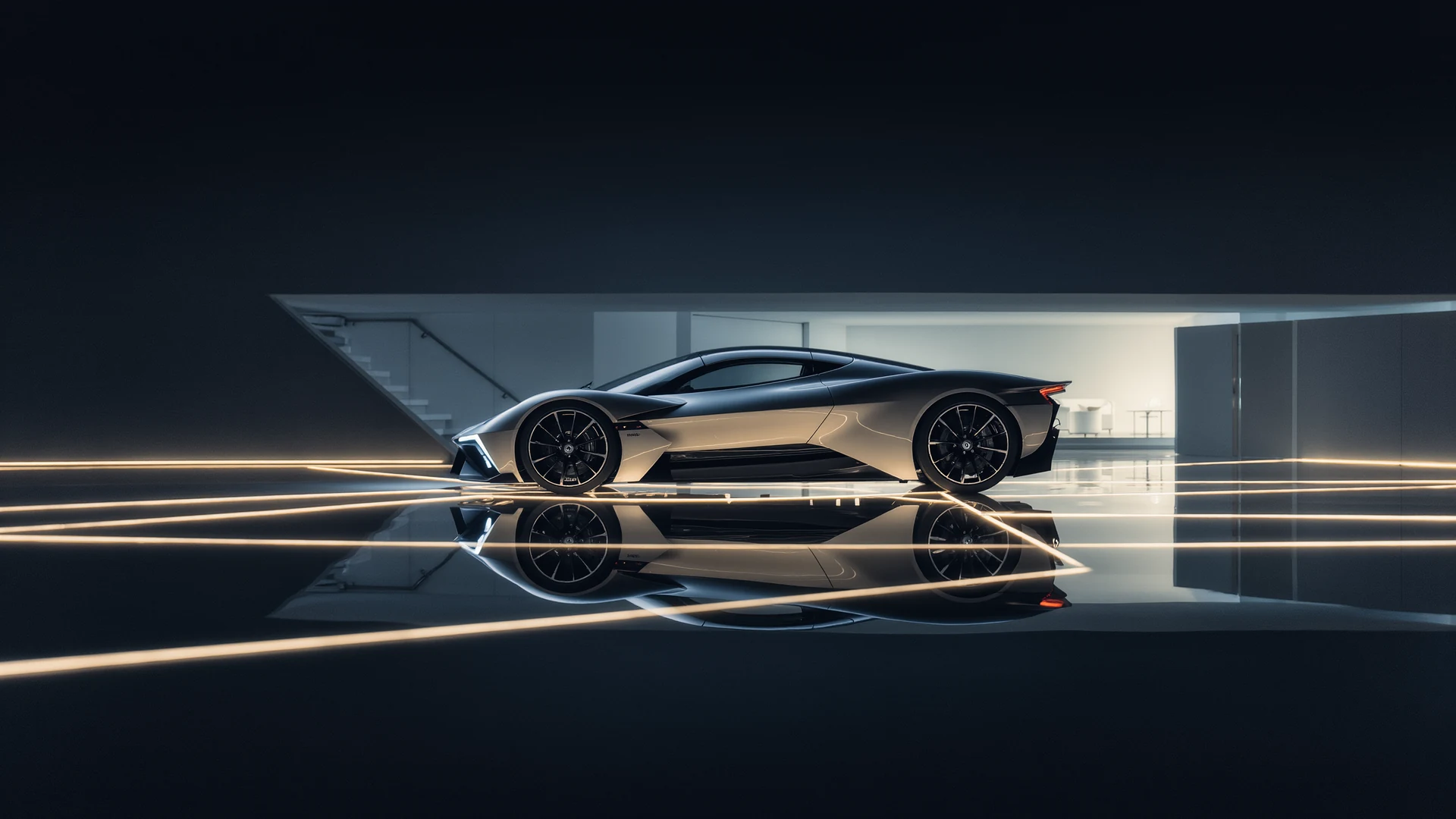
Future of Supercars – Electric Revolution and Beyond
The future of supercars: Ferrari’s 2025 electric flagship, Porsche’s synthetic eFuel, Rimac’s record-breaking EVs and why the V12 su…
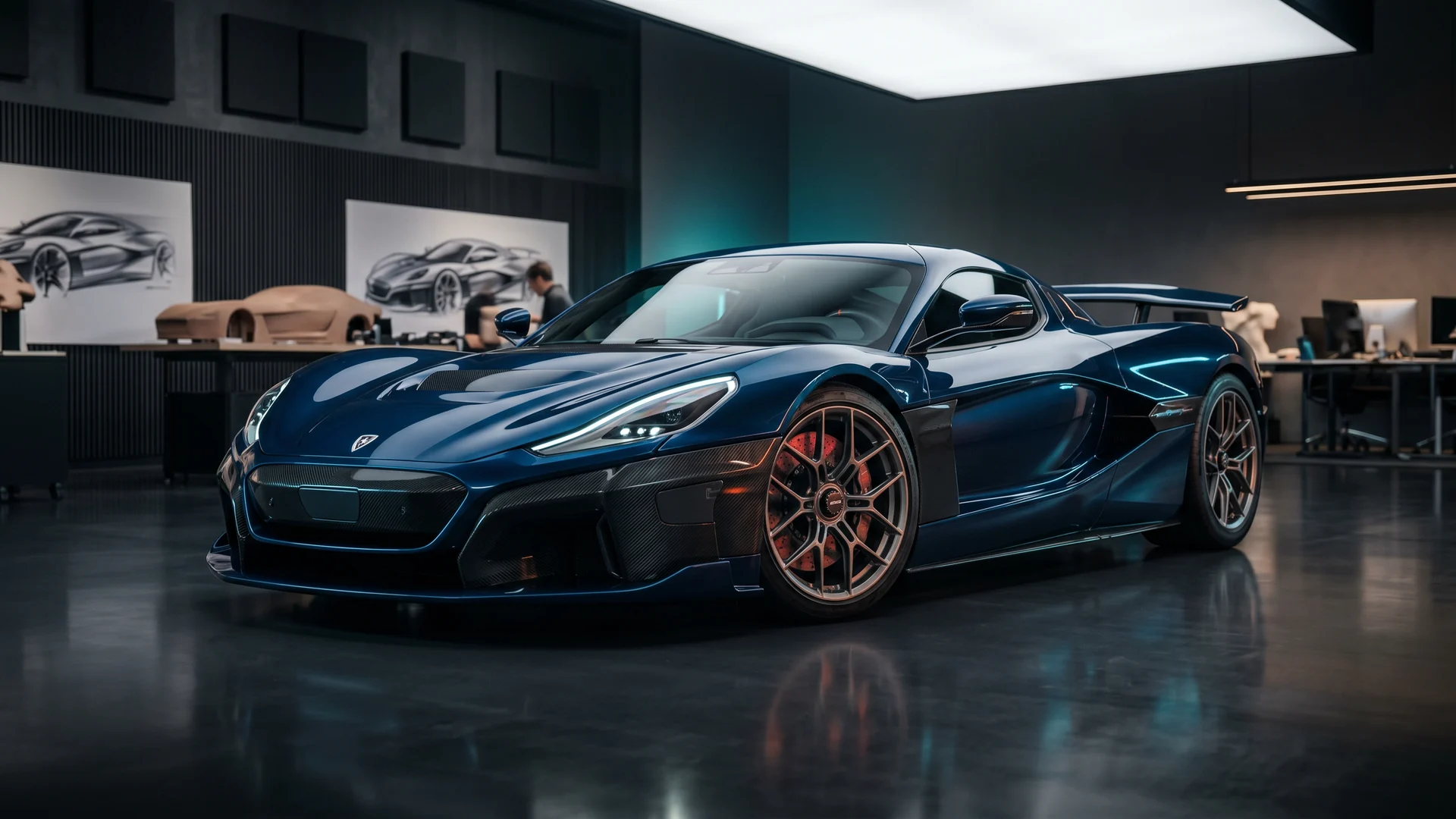
Supercar Technology Innovation Guide – The Future of Performance
Supercar technology guide: how carbon-fiber tubs, active aero, hybrids, dual-clutch gearboxes and software shape performance in the McLaren, Ferrari a…
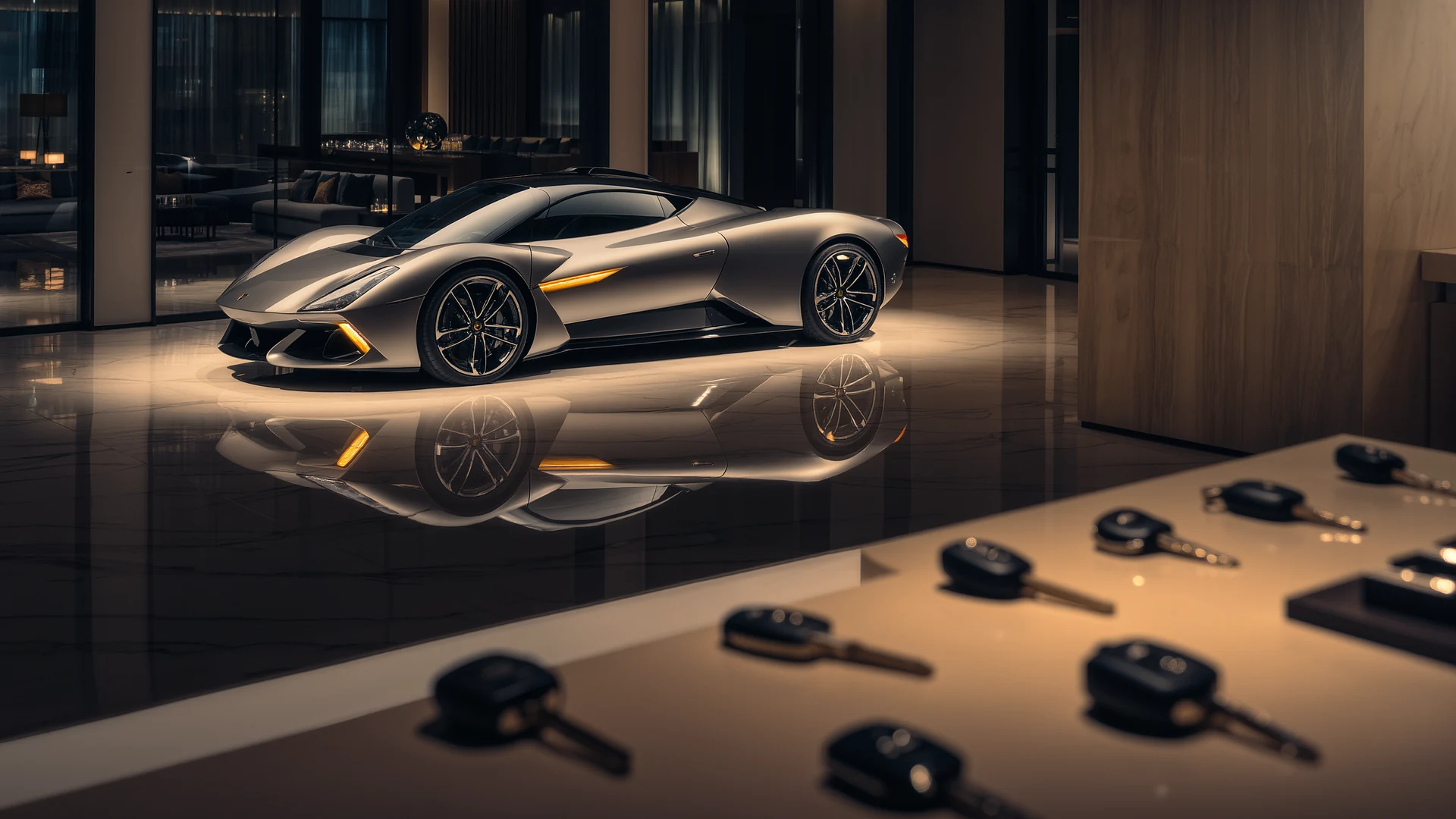
Supercar Rental Worldwide Guide – Drive Your Dream Car Today
Supercar rental guide: daily rates from $500 to $20,000+, security deposits, insurance rules, top locations worldwide, and track packages explained.…