Supercars and the Connection to Art & Design
The evolution of supercar design is a fascinating journey that reflects not only advancements in automotive technology but also shifts in cultural values and consumer expectations.…
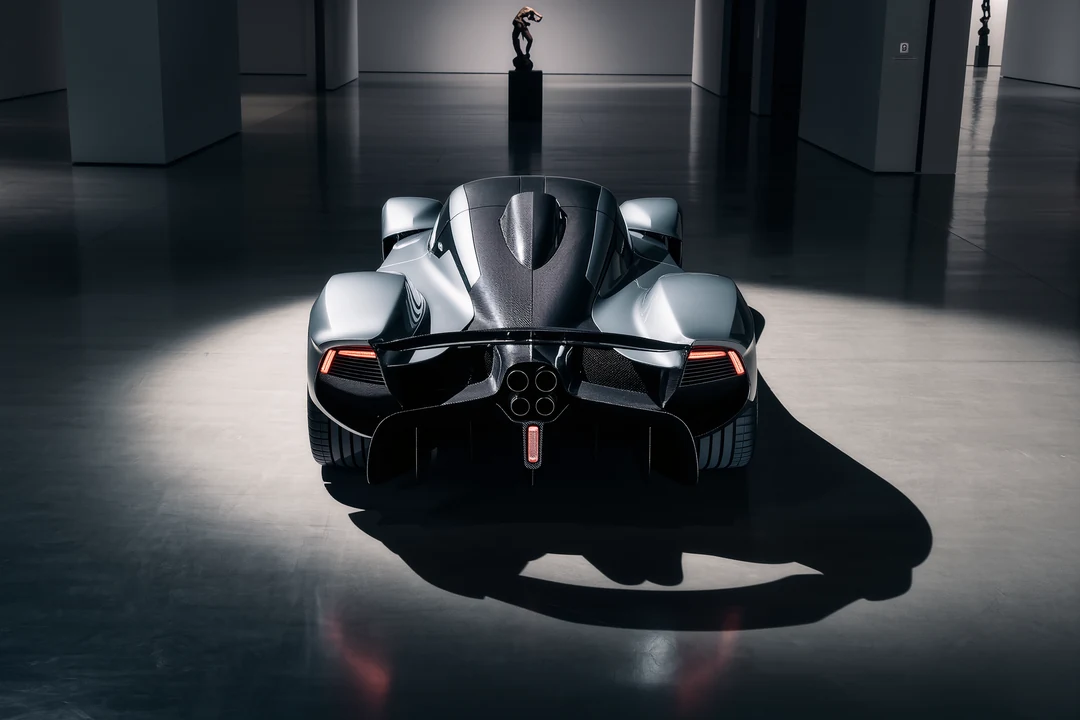
The evolution of supercar design is a fascinating journey that reflects not only advancements in automotive technology but also shifts in cultural values and consumer expectations. The term “supercar” itself emerged in the late 1960s, with models like the Lamborghini Miura and Ferrari 512S setting the stage for what would become a highly coveted segment of the automotive market. These early supercars were characterized by their striking aesthetics, powerful engines, and a focus on performance that was unparalleled at the time.
The Miura, for instance, introduced a mid-engine layout that would become a defining feature of many subsequent supercars, allowing for improved weight distribution and handling. As the decades progressed, supercar design began to incorporate more aerodynamic principles, driven by the need for higher speeds and better fuel efficiency. The introduction of wind tunnel testing in the 1970s and 1980s allowed designers to refine shapes and contours, resulting in vehicles that not only looked stunning but also performed exceptionally well.
The iconic Ferrari F40, launched in 1987, exemplified this shift with its aggressive lines and functional rear wing, which enhanced downforce at high speeds. This era marked a significant turning point where aesthetics and performance became increasingly intertwined, setting the stage for the modern supercar.
Key Takeaways
- Supercar design has evolved from simple, aerodynamic shapes to more complex and futuristic designs, influenced by advancements in technology and materials.
- Art has played a significant role in shaping the aesthetics of supercars, with many designers drawing inspiration from various art movements and styles.
- Technology has revolutionized supercar design, with the integration of advanced materials, aerodynamics, and performance-enhancing features.
- The intersection of function and form is crucial in supercar design, as designers strive to balance aesthetics with aerodynamics, performance, and safety.
- Supercar design has had a significant impact on popular culture, influencing fashion, music, and entertainment, and becoming a status symbol for enthusiasts.
- The relationship between supercar design and performance is inseparable, with design elements directly impacting the car’s speed, handling, and overall driving experience.
- The future of supercar design is likely to see trends and innovations focused on sustainability, connectivity, and autonomous driving technology.
- The artistic and design elements of supercar interiors are just as important as the exterior, with a focus on luxury, comfort, and cutting-edge technology to enhance the driving experience.
The Influence of Art on Supercar Aesthetics
Art has long played a pivotal role in shaping the aesthetics of supercars, with designers often drawing inspiration from various artistic movements and styles. The fluid lines and organic shapes found in nature have influenced many supercar designs, leading to vehicles that resemble works of art rather than mere machines. For example, the Bugatti Veyron’s sculptural form is reminiscent of modernist art, with its smooth curves and bold color choices that evoke a sense of luxury and exclusivity.
This connection between art and automotive design is not merely superficial; it reflects a deeper understanding of how visual appeal can enhance the emotional connection between the driver and the vehicle. Moreover, collaborations between automotive manufacturers and renowned artists have further blurred the lines between art and design. The partnership between Lamborghini and artist Damien Hirst resulted in a one-off Huracán adorned with Hirst’s signature butterfly motifs, showcasing how supercars can serve as canvases for artistic expression.
Such collaborations not only elevate the aesthetic value of these vehicles but also create unique pieces that resonate with collectors and enthusiasts alike. This interplay between art and supercar design continues to evolve, as designers seek to push boundaries and explore new creative avenues.
The Role of Technology in Supercar Design
Technology has been a driving force behind the evolution of supercar design, enabling manufacturers to push the limits of performance, safety, and efficiency. The integration of advanced materials such as carbon fiber has revolutionized the construction of supercars, allowing for lighter yet stronger structures that enhance speed and handling. For instance, the McLaren P1 utilizes a carbon fiber monocoque chassis that not only reduces weight but also improves rigidity, resulting in superior performance on both the road and track.
In addition to materials, technological advancements in aerodynamics have played a crucial role in shaping modern supercars. Active aerodynamics systems, which adjust wing angles and body panels in real-time based on speed and driving conditions, have become increasingly common. The Porsche 918 Spyder features such a system that optimizes downforce and drag, allowing drivers to experience unparalleled handling dynamics.
Furthermore, innovations in engine technology, such as hybrid powertrains and turbocharging, have enabled supercars to achieve remarkable power outputs while maintaining fuel efficiency. This fusion of technology and design not only enhances performance but also aligns with growing environmental concerns within the automotive industry.
The Intersection of Function and Form in Supercar Design
In supercar design, the intersection of function and form is a delicate balance that defines the character of each vehicle. While aesthetics are crucial for attracting buyers and creating brand identity, functionality cannot be overlooked. Designers must ensure that every curve and contour serves a purpose beyond mere visual appeal.
For example, the aggressive front fascia of the Ferrari 488 GTB is not just for show; it channels air to cool the engine while also generating downforce at high speeds. This relationship between function and form is particularly evident in the design of cooling systems and airflow management features. The Lamborghini Aventador’s distinctive air intakes are not only visually striking but also essential for maintaining optimal engine temperatures during high-performance driving.
Similarly, the rear diffuser on many supercars plays a critical role in enhancing stability by managing airflow beneath the vehicle. As designers continue to innovate, they are increasingly challenged to create shapes that are both beautiful and functional, ensuring that every element contributes to the overall performance of the car.
The Impact of Supercar Design on Popular Culture
Supercar design has had a profound impact on popular culture, influencing everything from fashion to film. The allure of these high-performance vehicles has made them symbols of status and success, often featured prominently in movies, music videos, and advertising campaigns. Iconic films like “The Italian Job” and “Fast & Furious” have showcased supercars as not just modes of transportation but as integral characters within their narratives.
This representation has solidified their place in popular culture, making them aspirational objects for many. Moreover, supercars have transcended their automotive roots to become cultural icons that embody innovation and luxury. Brands like Ferrari and Lamborghini have cultivated a mystique around their vehicles, often associated with exclusivity and high-profile events such as auto shows or charity auctions.
The annual Pebble Beach Concours d’Elegance serves as a prime example where supercars are celebrated not just for their engineering prowess but also for their artistic merit. This cultural significance has led to a burgeoning market for merchandise related to supercars, including clothing lines, model cars, and even video games that allow enthusiasts to experience the thrill of driving these extraordinary machines virtually.
The Relationship Between Supercar Design and Performance
The relationship between supercar design and performance is one of mutual reinforcement; each aspect enhances the other in a continuous cycle of innovation. Performance metrics such as acceleration, top speed, and handling are often directly influenced by design choices made by engineers and stylists alike. For instance, the aerodynamic profile of a supercar can significantly affect its ability to slice through air resistance at high speeds.
The Koenigsegg Agera RS exemplifies this relationship with its meticulously crafted bodywork designed to minimize drag while maximizing downforce. Furthermore, weight distribution plays a critical role in how a supercar performs on the road or track. Designers must carefully consider where components are placed within the vehicle to achieve optimal balance.
The placement of the engine, whether front-mounted or mid-mounted, can drastically alter handling characteristics. The McLaren F1’s central driving position is not just an aesthetic choice; it allows for better weight distribution and improved driver visibility, enhancing overall performance dynamics. As manufacturers continue to explore new materials and technologies, this intricate relationship will likely evolve further, leading to even more remarkable feats of engineering.
The Future of Supercar Design: Trends and Innovations
Looking ahead, the future of supercar design is poised to be shaped by several key trends and innovations that reflect changing consumer preferences and technological advancements. One significant trend is the increasing focus on sustainability within the automotive industry. As environmental concerns grow more pressing, manufacturers are exploring hybrid and fully electric powertrains that offer high performance without compromising ecological responsibility.
The Rimac C_Two is a prime example of this shift; it boasts an all-electric powertrain capable of delivering astonishing acceleration while producing zero emissions.
Features such as advanced driver-assistance systems (ADAS), connectivity options, and artificial intelligence are becoming more prevalent in high-performance vehicles.
These technologies not only enhance safety but also improve the overall driving experience by providing real-time data on vehicle performance and road conditions. As autonomous driving technology continues to develop, it may even redefine what it means to drive a supercar altogether.
The Artistic and Design Elements of Supercar Interiors
While exterior design often garners much attention in discussions about supercars, the interiors are equally important in creating an immersive driving experience. The artistic elements found within supercar cabins reflect both luxury and functionality, with materials like leather, carbon fiber, and aluminum used to create an environment that feels both high-tech and inviting. For instance, the interior of the Aston Martin Valkyrie features an array of customizable options that allow owners to tailor their driving environment according to personal taste.
Moreover, ergonomics play a crucial role in interior design; controls must be intuitively placed for ease of use while driving at high speeds.
Touchscreen interfaces have become increasingly common in modern supercars, offering drivers access to navigation systems, performance metrics, and entertainment options at their fingertips.
As technology continues to advance, we can expect future interiors to incorporate even more innovative features that enhance both comfort and performance while maintaining an artistic flair that reflects each brand’s unique identity.
FAQs
What are supercars?
Supercars are high-performance sports cars that are known for their exceptional speed, power, and luxury features. They are often designed with cutting-edge technology and advanced engineering to deliver top-tier performance on the road or track.
How are supercars connected to art and design?
Supercars are often considered works of art due to their sleek and aerodynamic designs, which are carefully crafted to not only enhance performance but also to create a visually stunning vehicle. Many supercar manufacturers collaborate with renowned designers and artists to incorporate unique and artistic elements into their car designs.
What role does design play in the creation of supercars?
Design plays a crucial role in the creation of supercars, as it directly impacts the car’s performance, aerodynamics, and overall aesthetic appeal. Designers work closely with engineers to ensure that the car’s form not only looks visually appealing but also serves a functional purpose in enhancing the car’s speed and handling.
How do supercars incorporate artistic elements into their designs?
Supercars often incorporate artistic elements through the use of unique paint finishes, custom interior designs, and sculptural body shapes that are inspired by art and architecture. Some supercars also feature limited edition models that are designed in collaboration with renowned artists, further blurring the lines between art and automotive design.
What are some examples of supercars that are considered works of art?
Examples of supercars that are considered works of art include the Lamborghini Aventador, Ferrari LaFerrari, McLaren P1, and Bugatti Chiron. These cars are celebrated for their innovative designs, precision engineering, and artistic flair, making them highly sought after by collectors and enthusiasts alike.
When did the term supercar emerge and what defined early models?
How has art influenced supercar aesthetics?
How has technology advanced supercar design?
More from Magazine
Future of Supercars – Electric Revolution and Beyond
The future of supercars: Ferrari’s 2025 electric flagship, Porsche’s synthetic eFuel, Rimac’s record-breaking EVs and why the V12 su…
Supercar Technology Innovation Guide – The Future of Performance
Supercar technology guide: how carbon-fiber tubs, active aero, hybrids, dual-clutch gearboxes and software shape performance in the McLaren, Ferrari a…
Supercar Rental Worldwide Guide – Drive Your Dream Car Today
Supercar rental guide: daily rates from $500 to $20,000+, security deposits, insurance rules, top locations worldwide, and track packages explained.…