Supercars and the Allure of the Open Road
The term “supercar” has evolved significantly since its inception, tracing back to the mid-20th century when automotive manufacturers began to push the boundaries of pe…
The term “supercar” has evolved significantly since its inception, tracing back to the mid-20th century when automotive manufacturers began to push the boundaries of performance and design. The genesis of the supercar can be linked to iconic models such as the Ferrari 250 GTO, produced in the early 1960s. This vehicle not only showcased remarkable engineering but also set a precedent for what would come to define the supercar genre: a combination of speed, luxury, and exclusivity.
The 250 GTO’s racing pedigree and limited production run made it a coveted item among collectors and enthusiasts, establishing a benchmark for future supercars. As the decades progressed, the landscape of supercars expanded with the introduction of models like the Lamborghini Miura in the late 1960s. Often hailed as the first true supercar, the Miura featured a mid-engine layout that revolutionized automotive design.
Its sleek lines and powerful V12 engine captured the imagination of car enthusiasts worldwide, paving the way for other manufacturers to enter the fray. The 1970s and 1980s saw an explosion of innovation, with brands like Porsche, Ferrari, and McLaren introducing models that would become legends in their own right. The Porsche 959, for instance, was a technological marvel of its time, boasting all-wheel drive and advanced aerodynamics that set new standards for performance.
Key Takeaways
- Supercars have a rich history dating back to the early 20th century, with iconic models like the Bugatti Type 35 and the Ferrari 250 GTO setting the stage for modern supercar design.
- The appeal of supercars lies in their combination of cutting-edge technology, high performance, and luxurious design, making them a status symbol for enthusiasts and collectors alike.
- The thrill of speed is a key aspect of the supercar experience, with models like the McLaren P1 and the Lamborghini Aventador capable of reaching top speeds of over 200 mph.
- The design and engineering of supercars are a testament to innovation and precision, with features like lightweight materials, aerodynamic shapes, and powerful engines pushing the boundaries of automotive performance.
- Driving a supercar offers a unique and exhilarating experience, with responsive handling, powerful acceleration, and the unmistakable roar of the engine creating a sensory overload for drivers.
The Appeal of Supercars
The allure of supercars transcends mere performance metrics; it encompasses a lifestyle and an identity that resonates deeply with enthusiasts. Owning a supercar is often seen as a symbol of success and achievement, representing not just financial wealth but also a passion for engineering excellence and design artistry. The exclusivity associated with these vehicles adds to their appeal; many supercars are produced in limited quantities, making them rare commodities that are highly sought after by collectors.
This scarcity creates a sense of urgency and desirability that fuels the supercar market.
Features such as active aerodynamics, hybrid powertrains, and advanced materials like carbon fiber are not just gimmicks; they represent the forefront of automotive engineering.
For many enthusiasts, the appeal lies in being part of a community that values these innovations and celebrates the artistry involved in creating such machines. The emotional connection that individuals form with these vehicles is profound, often rooted in childhood dreams and aspirations.
The Thrill of Speed
At the heart of every supercar lies an insatiable thirst for speed. These vehicles are engineered to deliver exhilarating performance that can leave even seasoned drivers breathless. The acceleration figures alone are staggering; many modern supercars can go from 0 to 60 mph in under three seconds, thanks to powerful engines and advanced traction control systems.
This capability is not merely about numbers; it’s about the visceral experience of being thrust back into your seat as you unleash the full potential of the machine. The thrill of speed is further amplified by the sound of a roaring engine, which serves as both a symphony and a siren call for car enthusiasts. The distinct growl of a V8 or the high-pitched wail of a V10 can evoke emotions that resonate deeply with fans of automotive performance.
This auditory experience is often complemented by the tactile sensations felt through the steering wheel and pedals, creating an immersive driving experience that few other vehicles can match. For many drivers, the act of pushing a supercar to its limits on a racetrack or open road is akin to participating in a high-stakes dance with physics, where skill and precision are paramount.
The Design and Engineering of Supercars
The design and engineering of supercars represent a harmonious blend of art and science. Every curve and contour is meticulously crafted not only for aesthetic appeal but also for aerodynamic efficiency. Manufacturers invest significant resources into wind tunnel testing and computational fluid dynamics to ensure that their vehicles slice through the air with minimal drag.
For instance, the Bugatti Chiron features an active rear spoiler that adjusts based on speed, optimizing downforce during high-speed runs while maintaining elegance at lower velocities. Beyond aerodynamics, the engineering behind supercars often involves cutting-edge materials and technologies that enhance performance while reducing weight. Carbon fiber has become a staple in supercar construction due to its strength-to-weight ratio, allowing manufacturers to create lighter vehicles without compromising structural integrity.
Additionally, advancements in suspension systems, such as adaptive dampers, enable supercars to maintain stability at high speeds while providing comfort during everyday driving. This meticulous attention to detail ensures that every aspect of a supercar contributes to its overall performance and driving experience.
The Experience of Driving a Supercar
Driving a supercar is an experience unlike any other; it transcends mere transportation to become an event filled with sensory overload. From the moment you slide into the driver’s seat, you are enveloped in an environment designed for performance and luxury. The cockpit is often adorned with high-quality materials such as leather and carbon fiber, creating an atmosphere that feels both exclusive and exhilarating.
The layout of controls is typically driver-focused, ensuring that every function is within easy reach for optimal control during spirited driving. Once on the road or track, the experience becomes even more intense. The feedback from the steering wheel is precise, allowing drivers to feel every nuance of the road beneath them.
Acceleration is instantaneous, with many supercars equipped with dual-clutch transmissions that deliver lightning-fast gear changes. This responsiveness creates a sense of connection between driver and machine that is hard to replicate in standard vehicles. Furthermore, many supercars come equipped with advanced telemetry systems that provide real-time data on performance metrics, allowing drivers to fine-tune their skills and push their limits.
The Open Road: A Supercar’s Playground
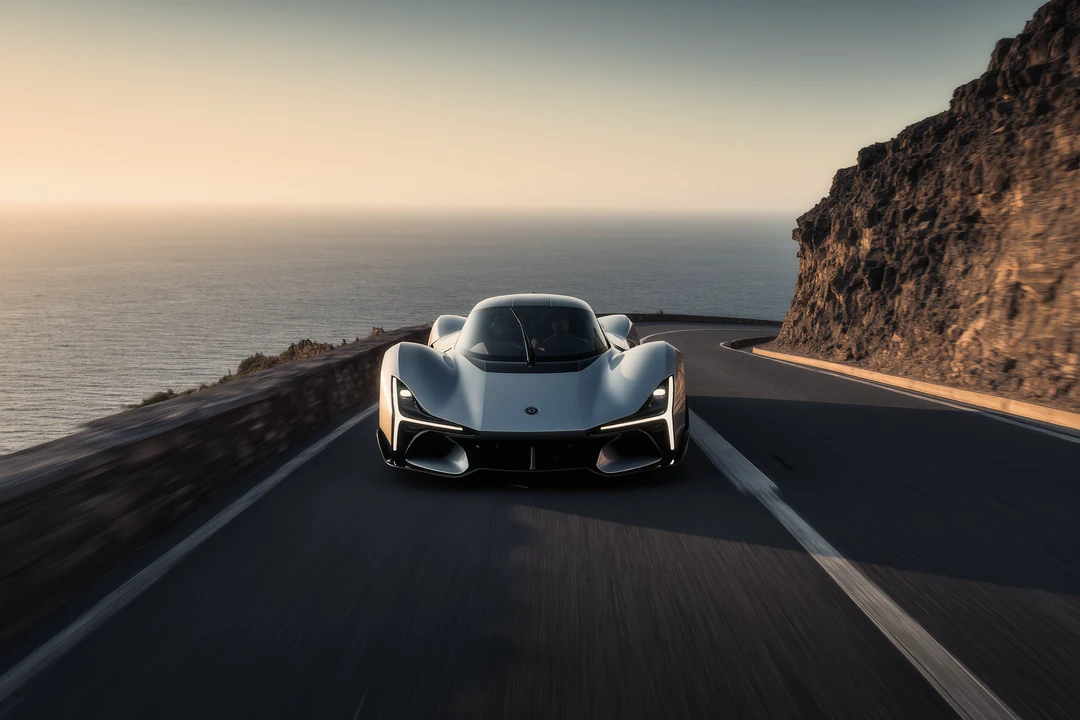
The open road serves as a natural playground for supercars, offering vast stretches where their capabilities can be fully realized. Whether it’s winding mountain passes or expansive highways, these vehicles thrive in environments where they can showcase their performance attributes. The thrill of navigating through curves at high speeds is an experience that few can rival; it requires skill and confidence but rewards drivers with an unparalleled sense of freedom.
Moreover, driving a supercar on scenic routes enhances the overall experience by combining breathtaking landscapes with exhilarating performance. Imagine cruising along California’s Pacific Coast Highway or tackling the twists and turns of Italy’s Amalfi Coast; these roads are not just pathways but destinations that elevate the act of driving into an art form. The combination of stunning vistas and high-performance machinery creates memories that linger long after the engine has cooled down.
Supercar Culture and Community
Supercar culture is a vibrant tapestry woven from passion, camaraderie, and shared experiences among enthusiasts worldwide. Car shows, track days, and meetups serve as gathering points where owners can showcase their prized possessions while exchanging stories and tips about maintenance or modifications. This sense of community fosters friendships that often extend beyond automotive interests; many enthusiasts find themselves forming bonds over shared experiences on and off the road.
Social media has played a pivotal role in amplifying supercar culture, allowing enthusiasts to connect globally through platforms dedicated to automotive content. Instagram feeds filled with stunning images of exotic cars parked against picturesque backdrops or videos capturing thrilling drives have created a digital landscape where passion knows no borders.
The Future of Supercars
As we look toward the future, the evolution of supercars is poised to take exciting new directions driven by technological advancements and changing consumer preferences. One significant trend is the increasing integration of hybrid and electric powertrains into supercar designs. Manufacturers like Ferrari and Porsche are already exploring hybrid models that combine traditional combustion engines with electric motors to enhance performance while reducing emissions.
This shift not only aligns with global sustainability goals but also opens up new possibilities for power delivery and efficiency. Additionally, advancements in autonomous driving technology may influence how supercars are experienced in the coming years. While purists may argue that driving should remain a hands-on experience, there is potential for hybrid systems that allow drivers to switch between manual control and automated assistance during long journeys or in heavy traffic situations.
This duality could make supercars more accessible while preserving their exhilarating essence for those who seek it. In conclusion, as we navigate this exciting era of automotive innovation, one thing remains clear: the spirit of supercars will continue to captivate enthusiasts around the world. Whether through breathtaking design, unparalleled performance, or vibrant community engagement, supercars will undoubtedly remain at the forefront of automotive culture for generations to come.
FAQs
What are supercars?
Supercars are high-performance, luxury sports cars known for their speed, power, and advanced engineering. They are often designed with cutting-edge technology and materials to achieve top speeds and exceptional handling.
What makes supercars so appealing?
Supercars are appealing due to their combination of high performance, sleek design, and exclusivity. They offer a thrilling driving experience and are often seen as status symbols.
What is the allure of the open road?
The open road represents freedom, adventure, and the opportunity to experience the thrill of driving in a scenic and unconstrained environment. It allows drivers to enjoy the performance capabilities of their supercars in a dynamic and immersive way.
What are some popular supercar models?
Popular supercar models include the Lamborghini Aventador, Ferrari 488 GTB, McLaren 720S, Porsche 911 GT3, and the Bugatti Chiron, among others. These cars are known for their exceptional performance and iconic designs.
What are some famous driving routes for supercar enthusiasts?
Famous driving routes for supercar enthusiasts include the Pacific Coast Highway in California, the Stelvio Pass in Italy, the Great Ocean Road in Australia, and the Transfagarasan Highway in Romania. These routes offer breathtaking scenery and challenging driving conditions for supercar owners to enjoy.
More from Magazine
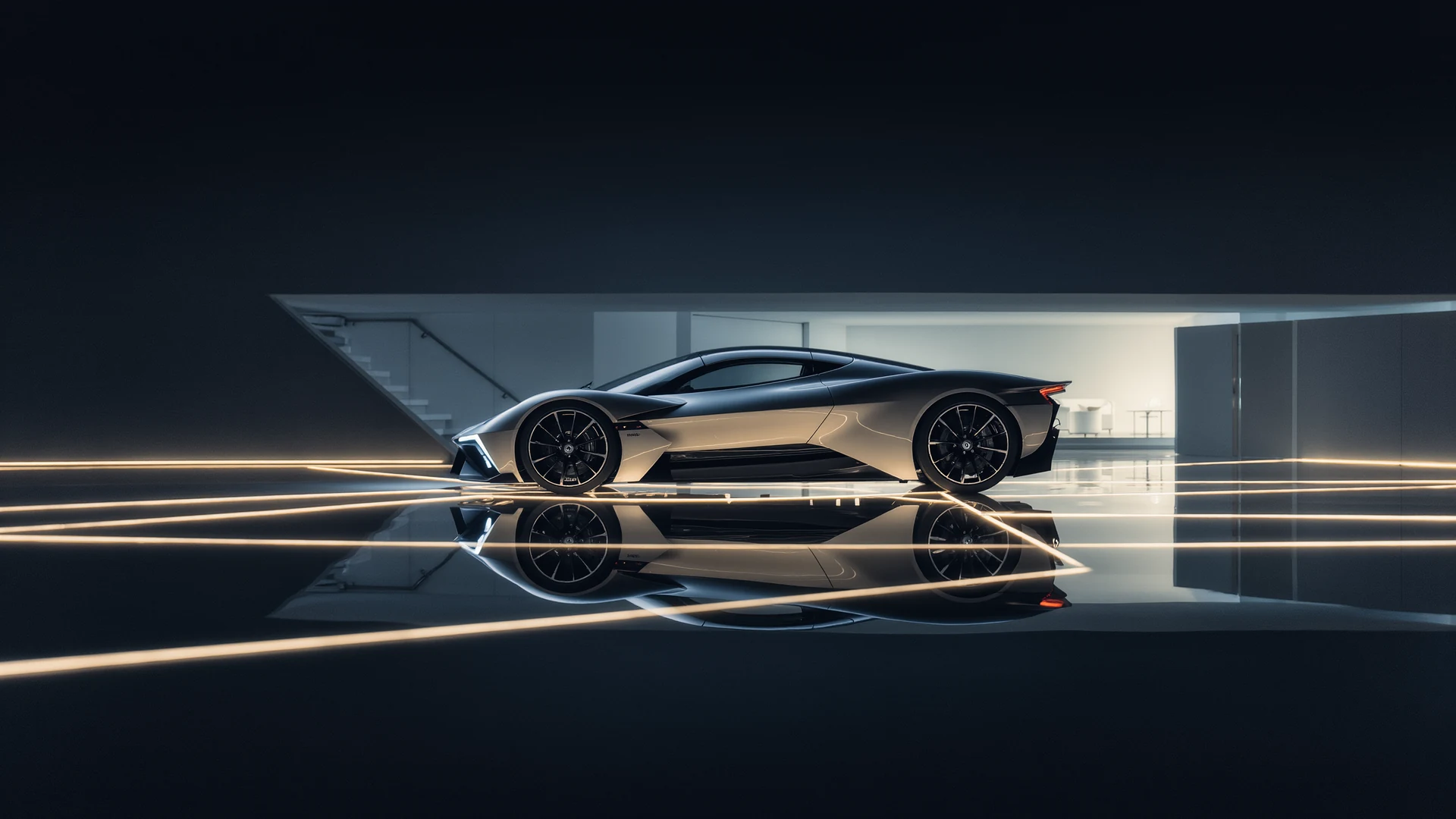
Future of Supercars – Electric Revolution and Beyond
The future of supercars: Ferrari’s 2025 electric flagship, Porsche’s synthetic eFuel, Rimac’s record-breaking EVs and why the V12 su…
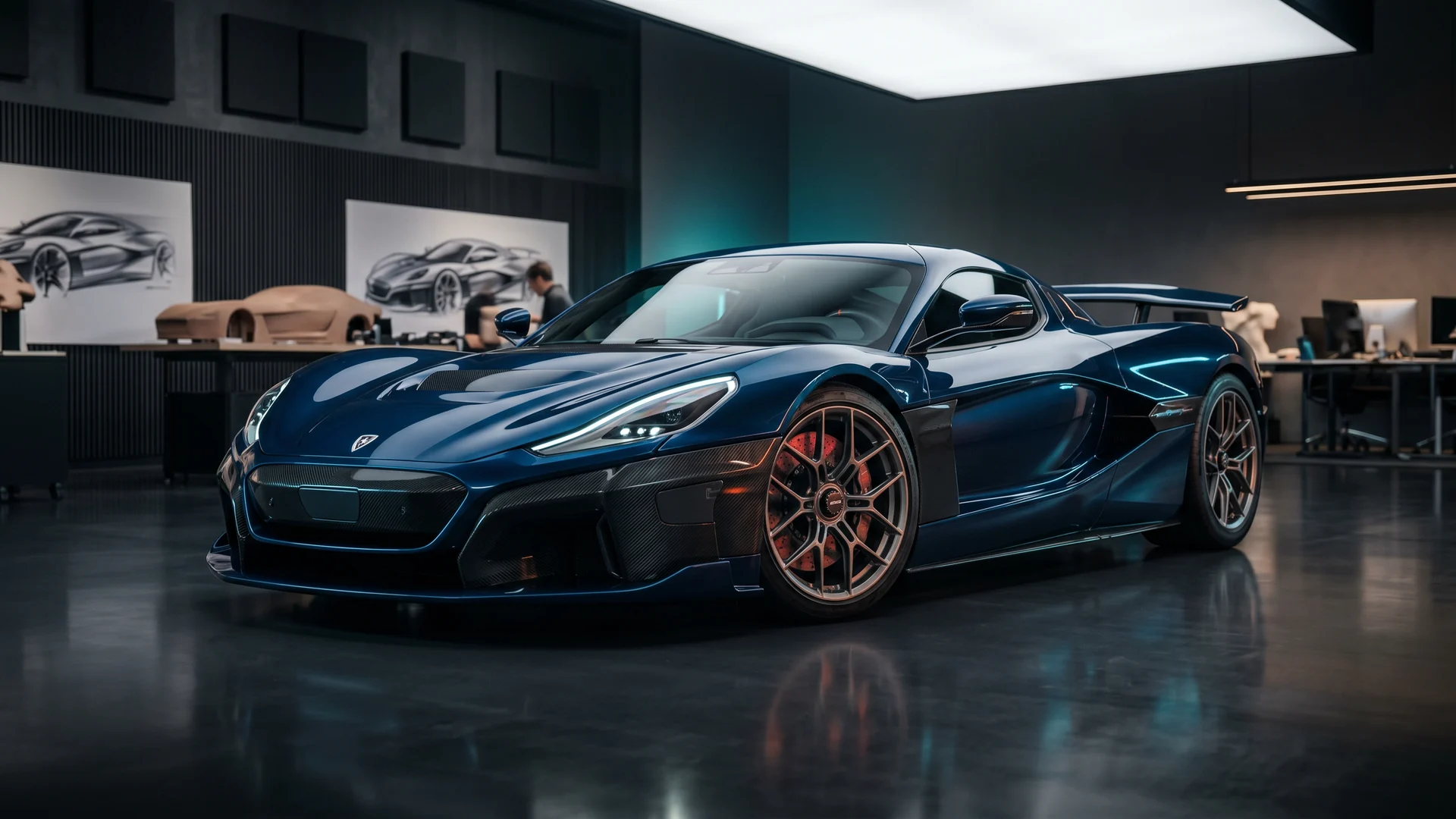
Supercar Technology Innovation Guide – The Future of Performance
Supercar technology guide: how carbon-fiber tubs, active aero, hybrids, dual-clutch gearboxes and software shape performance in the McLaren, Ferrari a…
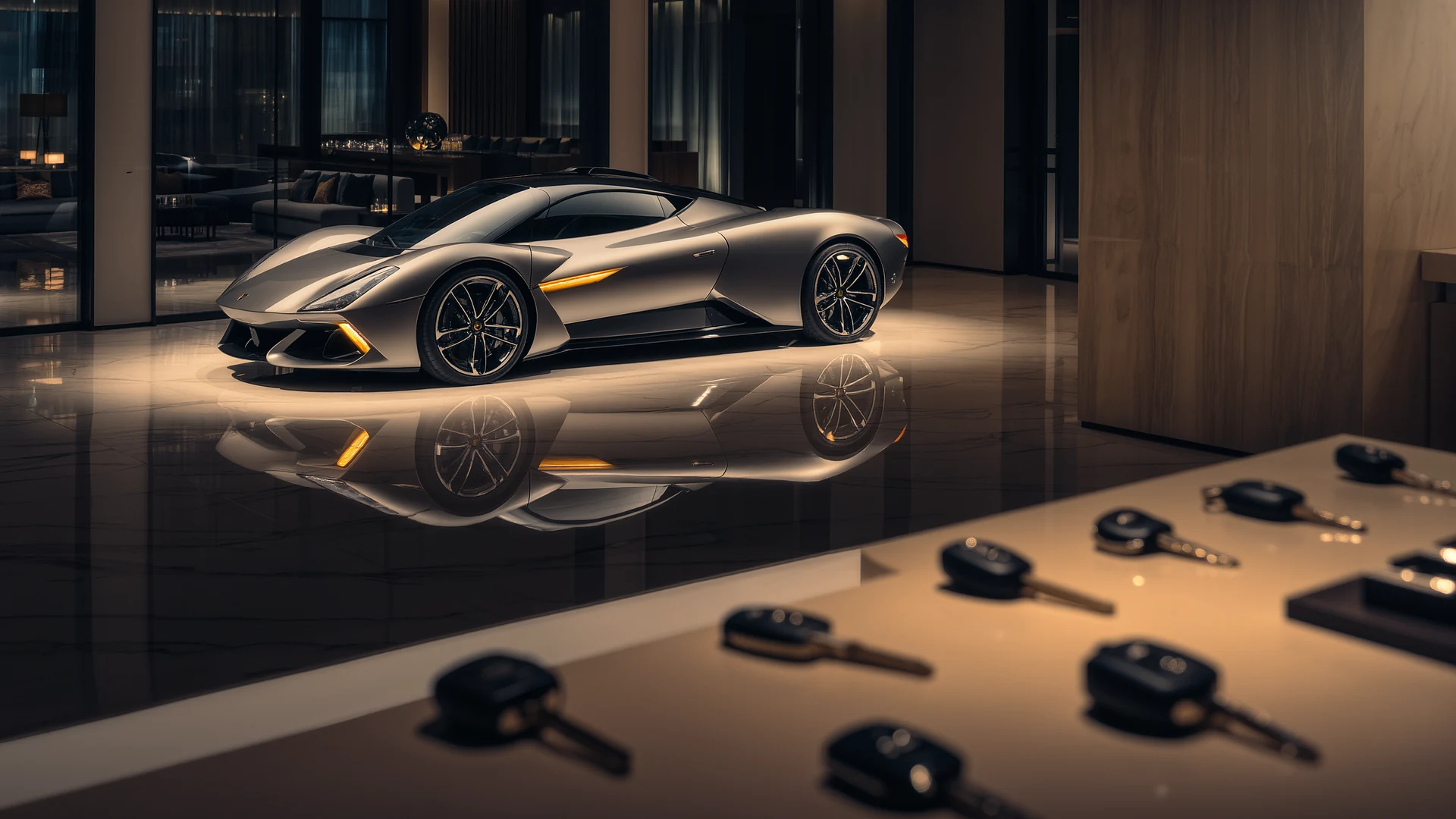
Supercar Rental Worldwide Guide – Drive Your Dream Car Today
Supercar rental guide: daily rates from $500 to $20,000+, security deposits, insurance rules, top locations worldwide, and track packages explained.…