Luxury Living: Supercars in Everyday Life
Supercars have long been synonymous with luxury, speed, and exclusivity. Traditionally, these high-performance vehicles were reserved for the wealthy elite, often seen only on race…

Supercars have long been synonymous with luxury, speed, and exclusivity. Traditionally, these high-performance vehicles were reserved for the wealthy elite, often seen only on racetracks or during exclusive car shows. However, a notable shift has occurred in recent years, leading to the emergence of supercars as viable options for everyday driving.
This transformation is not merely a trend; it reflects broader changes in consumer attitudes, technological advancements, and the automotive market’s evolution. As supercars become more accessible and practical, they are increasingly integrated into the daily lives of enthusiasts and everyday drivers alike. The allure of supercars lies not only in their breathtaking aesthetics and engineering prowess but also in the lifestyle they represent.
Owning a supercar is often viewed as a status symbol, a testament to one’s success and taste. Yet, as these vehicles become more commonplace on city streets, the perception of supercars is evolving. They are no longer just toys for the rich; they are becoming part of a broader narrative about performance, innovation, and the joy of driving.
This article delves into the rise of supercars as everyday vehicles, exploring their practicality, impact on lifestyle, maintenance considerations, customization trends, urban influence, and future prospects.
Key Takeaways
- Supercars are no longer just a luxury item, but are becoming more common in everyday life.
- The rise of supercars as everyday vehicles is driven by advancements in technology and design.
- Supercars can be practical for daily use, offering comfort, convenience, and performance.
- Owning a supercar can impact one’s lifestyle and status, influencing social interactions and personal image.
- Maintenance and upkeep of supercars for daily use require careful attention and investment.
The Rise of Supercars as Everyday Vehicles
The past decade has witnessed a remarkable rise in the number of supercars that are not only designed for high-speed performance but also engineered for everyday usability. Manufacturers like Ferrari, Lamborghini, and McLaren have begun to recognize the demand for vehicles that can seamlessly transition from the racetrack to the road. This shift is largely driven by advancements in technology and engineering that allow for greater comfort and drivability without sacrificing performance.
For instance, models such as the McLaren GT and the Porsche 911 Turbo S offer features like adaptive suspension systems and advanced infotainment options that make them suitable for daily commutes.
Moreover, the emergence of hybrid and electric supercars has further broadened their appeal. Vehicles like the Ferrari SF90 Stradale and the Rimac C_Two showcase how cutting-edge technology can enhance both performance and efficiency.
These innovations not only cater to environmentally conscious consumers but also provide a glimpse into the future of automotive design. As supercars become more versatile, they are increasingly seen as practical choices for those who desire both excitement and functionality in their daily driving experiences.
The Practicality of Supercars for Daily Use
While supercars are often celebrated for their speed and performance, their practicality for daily use is an equally important aspect that cannot be overlooked. Many modern supercars are equipped with features that enhance comfort and convenience, making them more suitable for everyday driving. For example, spacious interiors, advanced climate control systems, and user-friendly infotainment interfaces contribute to a more enjoyable driving experience.
Additionally, manufacturers have made strides in improving fuel efficiency and reducing emissions, making these vehicles more environmentally friendly than their predecessors. Another factor contributing to the practicality of supercars is the growing availability of all-wheel-drive systems. This technology enhances traction and stability, allowing drivers to navigate various road conditions with confidence.
Models like the Audi R8 and the Lamborghini Huracán boast all-wheel-drive capabilities that make them not only thrilling to drive but also reliable in inclement weather. Furthermore, many supercars now come with adjustable driving modes that allow drivers to tailor their experience based on their needs, whether it’s a leisurely cruise through the city or an exhilarating drive on winding roads.
The Impact of Supercars on Lifestyle and Status
Owning a supercar has always been associated with a certain lifestyle, one characterized by luxury, exclusivity, and a passion for performance. As these vehicles become more integrated into everyday life, they continue to shape perceptions of status and success. The presence of supercars on city streets often serves as a visual representation of wealth and achievement, influencing social dynamics within communities.
For many enthusiasts, owning a supercar is not just about the vehicle itself; it’s about being part of an elite club that shares a common appreciation for automotive excellence. Moreover, supercars have become central to various lifestyle events and gatherings. Car shows, track days, and exclusive meet-ups provide opportunities for owners to connect with like-minded individuals who share their passion for high-performance vehicles.
These events often foster a sense of camaraderie among enthusiasts while also serving as platforms for showcasing the latest innovations in automotive design. As supercars become more prevalent in everyday life, they contribute to a culture that celebrates speed, engineering prowess, and the thrill of driving.
Maintenance and Upkeep of Supercars for Daily Use
While the idea of using a supercar as a daily driver is enticing, it comes with its own set of challenges, most notably in terms of maintenance and upkeep. Supercars are engineered with precision and often require specialized care to ensure optimal performance. Regular maintenance tasks such as oil changes, tire rotations, and brake inspections can be more complex and costly compared to standard vehicles.
For instance, many supercar manufacturers recommend using specific types of oil or parts that may not be readily available at local service centers. Additionally, owners must be mindful of factors such as insurance costs and potential depreciation. Insuring a supercar can be significantly more expensive than insuring a conventional vehicle due to its high value and performance capabilities.
Furthermore, while some supercars may hold their value well over time, others can experience steep depreciation if not properly maintained or if they accumulate excessive mileage. Therefore, prospective owners must weigh these considerations carefully when deciding to use a supercar as their primary mode of transportation.
The Growing Trend of Customizing Supercars for Everyday Living
Customization has become an integral part of the supercar ownership experience, allowing enthusiasts to tailor their vehicles to reflect their personal tastes and lifestyles. This trend has gained momentum as more owners seek to make their supercars unique while also enhancing their practicality for daily use. Customization options range from aesthetic modifications, such as bespoke paint jobs and interior upgrades, to performance enhancements like upgraded exhaust systems or suspension tuning.
One notable example is the rise of aftermarket companies specializing in supercar modifications. Brands like Novitec and Mansory offer a wide array of customization options that cater to both aesthetic preferences and performance enhancements. These modifications can transform a standard model into something truly one-of-a-kind while also improving its usability for everyday driving.
For instance, adding features like additional storage compartments or advanced infotainment systems can make a supercar more functional without compromising its performance pedigree.
The Influence of Supercars on Urban Living and Infrastructure
As supercars become more common on urban roads, they are influencing not only individual lifestyles but also broader urban living dynamics and infrastructure development. Cities are increasingly adapting to accommodate high-performance vehicles by investing in better road conditions and infrastructure improvements. Smooth surfaces and well-maintained roads are essential for maximizing the driving experience of supercars; thus, municipalities are recognizing the need to prioritize these aspects in urban planning.
Moreover, the presence of supercars can stimulate local economies through events such as car shows or racing exhibitions that attract enthusiasts from various regions. These gatherings often lead to increased foot traffic in local businesses such as restaurants, hotels, and automotive service centers. Additionally, urban areas may see an uptick in luxury car dealerships or specialized service providers catering specifically to supercar owners.
This shift not only enhances the local economy but also fosters a culture that celebrates automotive excellence within urban environments.
The Future of Supercars in Everyday Life
Looking ahead, the future of supercars in everyday life appears promising as manufacturers continue to innovate and adapt to changing consumer preferences. The integration of electric powertrains is likely to play a significant role in shaping the next generation of supercars. As battery technology improves and charging infrastructure expands, electric supercars will become increasingly viable options for daily driving without compromising performance or excitement.
Furthermore, advancements in autonomous driving technology may also influence how supercars are perceived in everyday life. While traditionalists may argue that driving should remain an engaging experience reserved for skilled drivers, there is potential for hybrid models that combine autonomous features with driver engagement, allowing owners to enjoy both thrilling drives on open roads and convenient commuting during busy urban hours. As societal attitudes toward luxury vehicles evolve alongside technological advancements, it is clear that supercars will continue to carve out their niche within everyday life.
Whether through enhanced practicality or innovative design features that cater to modern lifestyles, these extraordinary machines are poised to remain relevant in an ever-changing automotive landscape.
FAQs
What are supercars?
Supercars are high-performance, luxury sports cars that are known for their speed, power, and advanced engineering. They are often produced in limited quantities and are highly sought after for their exclusivity and prestige.
What makes a car a supercar?
Supercars are typically characterized by their high horsepower, advanced aerodynamics, lightweight materials, and cutting-edge technology. They are designed to deliver exceptional performance and driving experience.
What are some popular supercar brands?
Some popular supercar brands include Ferrari, Lamborghini, McLaren, Porsche, Bugatti, Aston Martin, and Koenigsegg. These brands are known for producing some of the most iconic and high-performance supercars in the world.
How are supercars used in everyday life?
While supercars are often associated with high-speed driving and track performance, they are also used for everyday transportation by enthusiasts and collectors. Some owners enjoy driving their supercars on regular roads and highways, while others may display them as part of their luxury lifestyle.
What are the challenges of owning a supercar for everyday use?
Owning a supercar for everyday use can come with challenges such as high maintenance costs, limited practicality for daily tasks, and the need for specialized servicing and care. Additionally, supercars may not be as fuel-efficient or comfortable for long commutes compared to regular vehicles.
Are supercars environmentally friendly?
Supercars are known for their high-performance engines, which often consume more fuel and produce higher emissions compared to standard vehicles. However, some supercar manufacturers are investing in hybrid and electric technologies to improve their environmental impact and sustainability.
More from Magazine
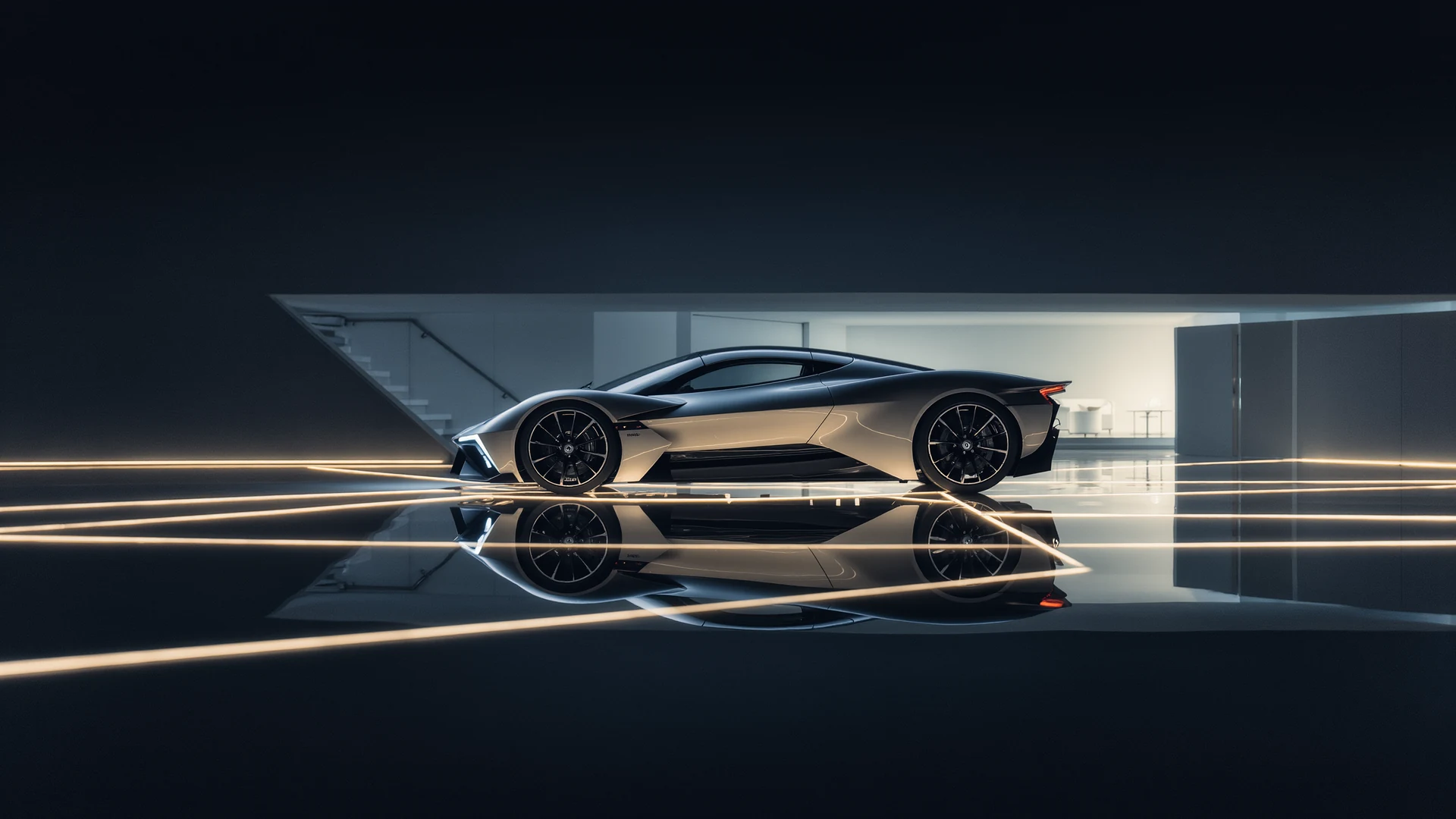
Future of Supercars – Electric Revolution and Beyond
The future of supercars: Ferrari’s 2025 electric flagship, Porsche’s synthetic eFuel, Rimac’s record-breaking EVs and why the V12 su…
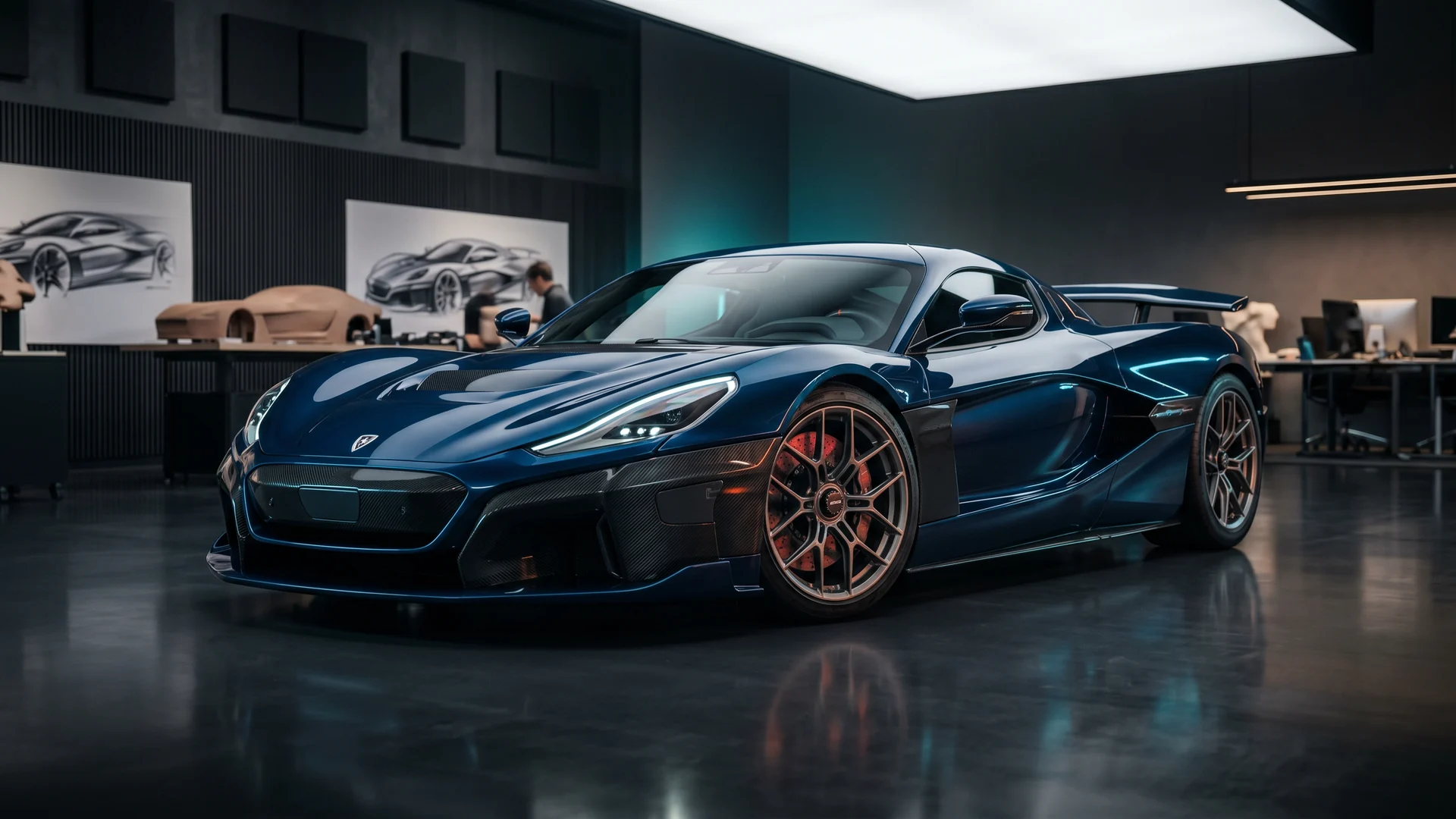
Supercar Technology Innovation Guide – The Future of Performance
Supercar technology guide: how carbon-fiber tubs, active aero, hybrids, dual-clutch gearboxes and software shape performance in the McLaren, Ferrari a…

Supercar Rental Worldwide Guide – Drive Your Dream Car Today
Supercar rental guide: daily rates from $500 to $20,000+, security deposits, insurance rules, top locations worldwide, and track packages explained.…