Life in the Fast Lane: Supercars & Success
Supercars have long captivated the imagination of enthusiasts and casual observers alike, serving as a potent symbol of success and achievement. These high-performance vehicles, of…
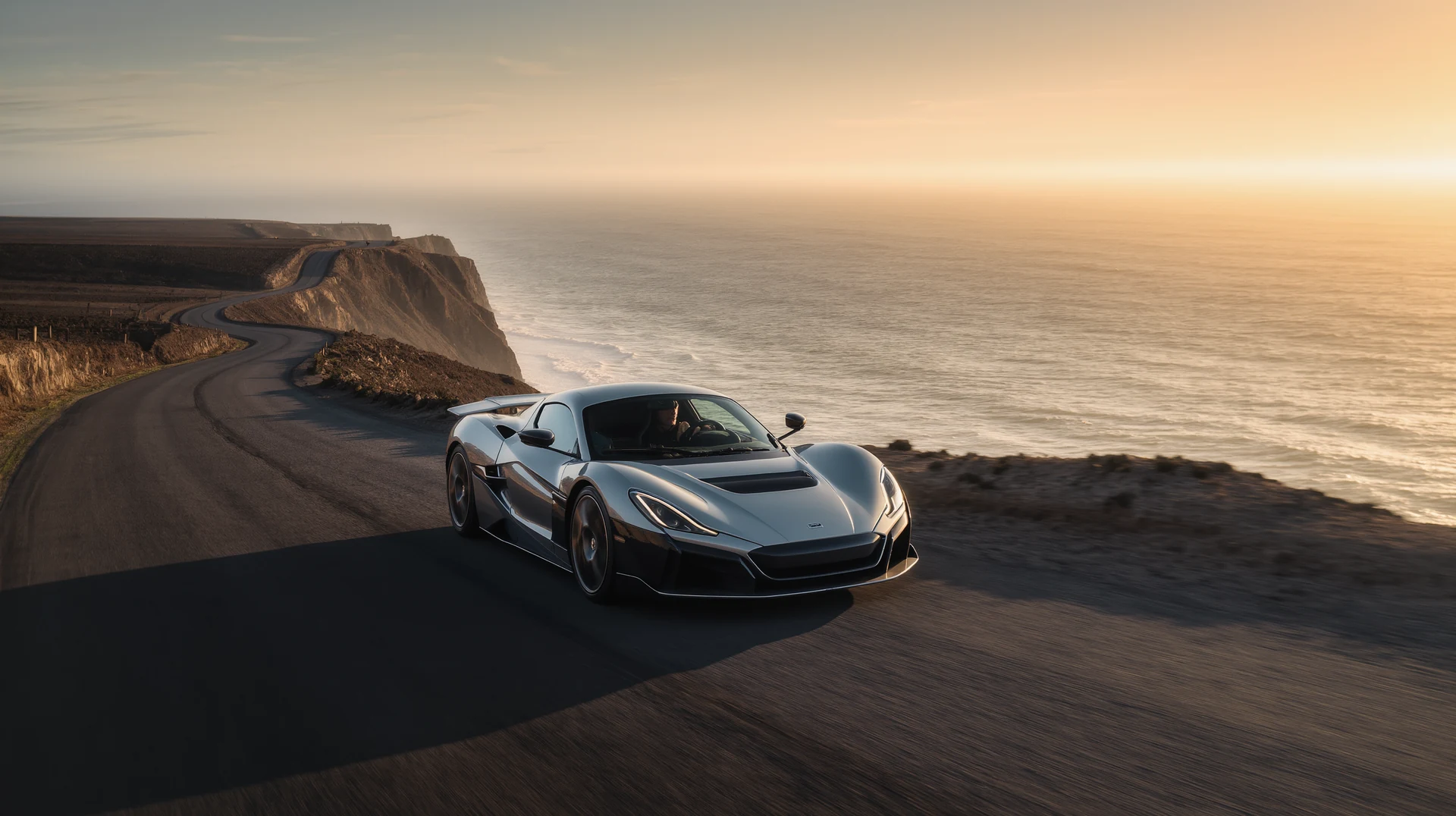
Supercars have long captivated the imagination of enthusiasts and casual observers alike, serving as a potent symbol of success and achievement. These high-performance vehicles, often characterized by their sleek designs, cutting-edge technology, and blistering speed, evoke a sense of aspiration that transcends mere transportation. The allure of supercars lies not only in their engineering marvels but also in the lifestyle they represent.
Owning a supercar is often seen as a culmination of hard work, dedication, and the realization of personal dreams. For many, these vehicles are not just machines; they are trophies that signify the fruits of labor and the attainment of goals. The aesthetic appeal of supercars plays a significant role in their allure.
Brands like Ferrari, Lamborghini, and Bugatti have crafted vehicles that are not only fast but also visually stunning. The design elements, curves, colors, and materials, are meticulously chosen to create an emotional response. When one sees a Lamborghini Aventador gliding down the street, it is hard not to feel a rush of excitement and admiration.
This emotional connection is further amplified by the stories behind these brands, often steeped in racing heritage and innovation. The narrative of overcoming challenges to create something extraordinary resonates deeply with individuals who aspire to achieve greatness in their own lives.
Key Takeaways
- Supercars are a symbol of success and achievement, representing the pinnacle of automotive engineering and design.
- The pursuit of excellence is closely linked to the allure of supercars, as they embody the relentless pursuit of perfection and performance.
- The desire for high-performance vehicles is driven by psychological factors such as the need for status, power, and thrill-seeking experiences.
- In the world of business and entrepreneurship, supercars have become a status symbol, reflecting wealth, success, and ambition.
- Supercars have a significant impact on personal branding and image, shaping perceptions of luxury, success, and sophistication.
The connection between supercars and the pursuit of excellence
The pursuit of excellence is a fundamental aspect of human nature, and supercars embody this quest in a tangible form. The engineering that goes into creating these vehicles is a testament to human ingenuity and the relentless drive for improvement. Manufacturers invest millions in research and development to push the boundaries of performance, safety, and sustainability.
This commitment to excellence is mirrored in the lives of those who aspire to own such vehicles; they often share similar values of hard work, perseverance, and an unyielding desire to excel in their respective fields. Moreover, supercars serve as a benchmark for performance not just in the automotive world but across various industries. The relentless pursuit of speed, efficiency, and innovation in supercar design can be paralleled with the aspirations of entrepreneurs and business leaders who strive to outperform their competitors.
Just as a supercar manufacturer seeks to create the fastest or most efficient vehicle, individuals in business aim to develop groundbreaking ideas or services that disrupt markets. This connection between supercars and the pursuit of excellence creates a powerful narrative that inspires many to reach for their own version of success.
The psychology behind the desire for high-performance vehicles
The desire for high-performance vehicles is deeply rooted in psychology, often linked to concepts such as self-identity, status, and personal fulfillment. For many individuals, owning a supercar is not merely about possessing a fast car; it is about expressing one’s identity and values.
Psychologically, this aligns with Maslow’s hierarchy of needs, where self-actualization, the realization of one’s potential, is at the pinnacle. For some, acquiring a supercar represents the ultimate expression of self-actualization. Additionally, the thrill associated with driving a high-performance vehicle taps into the human desire for excitement and adventure.
The adrenaline rush experienced when accelerating from 0 to 60 mph in mere seconds can be intoxicating. This exhilaration is often linked to feelings of empowerment and control, reinforcing an individual’s sense of agency in their life. Furthermore, the social validation that comes from owning such a vehicle can enhance self-esteem and foster a sense of belonging within exclusive circles.
This interplay between personal fulfillment and social recognition creates a compelling psychological framework that drives individuals toward the pursuit of supercars.
How supercars have become a status symbol in the world of business and entrepreneurship
In the realm of business and entrepreneurship, supercars have evolved into potent status symbols that convey wealth, success, and influence. The ownership of such vehicles often serves as a visual representation of one’s achievements and aspirations within competitive industries. Entrepreneurs who drive supercars are frequently perceived as risk-takers who have successfully navigated the challenges of building businesses from the ground up.
This perception can enhance their credibility and attract potential clients or investors who associate luxury with competence. Moreover, supercars have become intertwined with networking opportunities within elite circles. Business events, charity galas, and exclusive gatherings often feature high-performance vehicles as part of their allure.
The presence of supercars at these events not only elevates the ambiance but also serves as an icebreaker among attendees. Conversations about cars can lead to deeper discussions about business ventures, partnerships, or investment opportunities. In this way, supercars function as both conversation starters and symbols of shared ambition among like-minded individuals striving for success.
The impact of supercars on personal branding and image
In today’s image-driven society, personal branding has become increasingly important for professionals across various fields. Supercars play a significant role in shaping an individual’s brand identity by projecting an image of success, sophistication, and ambition. For entrepreneurs and business leaders, the choice to drive a high-performance vehicle can enhance their public persona and influence how they are perceived by peers and clients alike.
The impact of supercars on personal branding extends beyond mere aesthetics; it also encompasses lifestyle choices and values associated with luxury living. Individuals who own supercars often embrace a lifestyle characterized by exclusivity, adventure, and high standards.
This lifestyle can be reflected in various aspects of their lives, from fashion choices to travel experiences, creating a cohesive brand narrative that resonates with their target audience. As such, supercars become integral components of personal branding strategies for those seeking to establish themselves as leaders in their respective fields.
The relationship between success and the ownership of luxury vehicles
The relationship between success and luxury vehicle ownership is complex yet undeniable. For many individuals, acquiring a luxury vehicle is seen as a milestone that signifies financial achievement and personal growth. This perception is reinforced by societal norms that equate material possessions with success; thus, owning a luxury vehicle becomes a tangible marker of one’s accomplishments.
In this context, luxury vehicles serve as both rewards for hard work and motivators for continued ambition. However, this relationship is not solely based on financial metrics; it also encompasses emotional dimensions tied to personal fulfillment and self-worth. The act of purchasing a luxury vehicle can evoke feelings of pride and satisfaction that extend beyond monetary value.
For some individuals, these vehicles represent dreams realized after years of dedication and effort. This emotional connection adds depth to the relationship between success and luxury vehicle ownership, transforming it into a multifaceted experience that encompasses both tangible rewards and intangible satisfaction.
The role of supercars in the culture of ambition and drive for success
Supercars occupy a unique position within the culture of ambition and drive for success. They symbolize not only personal achievement but also collective aspirations within society. The fascination with high-performance vehicles often reflects broader cultural narratives surrounding success, stories of individuals who have overcome obstacles to achieve greatness resonate deeply with those who aspire to similar heights.
In this way, supercars become emblematic of the relentless pursuit of excellence that characterizes ambitious individuals across various domains. Furthermore, the culture surrounding supercars fosters a sense of community among enthusiasts who share similar passions for speed, design, and engineering prowess. Car clubs, online forums, and social media groups dedicated to supercar culture create spaces where individuals can connect over their shared interests while celebrating each other’s successes.
This sense of belonging reinforces the idea that ambition is not just an individual pursuit but also a collective journey shared among like-minded individuals striving for greatness.
The future of supercars and their continued association with achievement and prosperity
As we look toward the future, it is clear that supercars will continue to hold their place as symbols of achievement and prosperity. With advancements in technology driving innovation within the automotive industry, such as electric powertrains and autonomous driving capabilities, the definition of what constitutes a supercar may evolve. However, the core values associated with these vehicles, performance, luxury, and exclusivity, are likely to remain unchanged.
Moreover, as societal values shift toward sustainability and environmental consciousness, manufacturers are increasingly focusing on creating high-performance electric vehicles that align with these ideals while still delivering exhilarating driving experiences. This evolution presents an opportunity for supercars to redefine themselves within contemporary contexts while maintaining their status as aspirational symbols for future generations. Ultimately, whether through traditional combustion engines or cutting-edge electric technology, supercars will continue to inspire ambition and drive among those who seek to achieve greatness in their lives.
FAQs
What are supercars?
Supercars are high-performance, luxury sports cars that are known for their speed, power, and advanced engineering. They are often the pinnacle of automotive technology and design.
What makes supercars so special?
Supercars are special because they are designed to push the limits of speed, performance, and technology. They often feature powerful engines, lightweight materials, aerodynamic designs, and advanced driving technologies.
Who typically owns supercars?
Supercars are often owned by wealthy individuals, car enthusiasts, collectors, and celebrities who have a passion for high-performance vehicles. They are also popular among successful entrepreneurs and business leaders.
What is the connection between supercars and success?
Supercars are often associated with success because they are a symbol of wealth, achievement, and status. Owning a supercar can be seen as a reward for hard work and success in business or other endeavors.
Are supercars practical for everyday use?
While supercars are designed for high performance and speed, they are not always practical for everyday use. They often have limited storage space, stiff suspension, and high maintenance costs, making them more suitable for occasional driving or track use.
What are some popular supercar brands?
Some popular supercar brands include Ferrari, Lamborghini, McLaren, Porsche, Bugatti, Aston Martin, and Koenigsegg. These brands are known for producing some of the fastest and most luxurious cars in the world.
More from Magazine
Future of Supercars – Electric Revolution and Beyond
The future of supercars: Ferrari’s 2025 electric flagship, Porsche’s synthetic eFuel, Rimac’s record-breaking EVs and why the V12 su…
Supercar Technology Innovation Guide – The Future of Performance
Supercar technology guide: how carbon-fiber tubs, active aero, hybrids, dual-clutch gearboxes and software shape performance in the McLaren, Ferrari a…
Supercar Rental Worldwide Guide – Drive Your Dream Car Today
Supercar rental guide: daily rates from $500 to $20,000+, security deposits, insurance rules, top locations worldwide, and track packages explained.…