How Supercars Reflect Modern Masculinity
The evolution of supercars is intricately tied to the shifting perceptions of masculinity throughout the decades. In the early 20th century, automobiles were primarily utilitarian,…
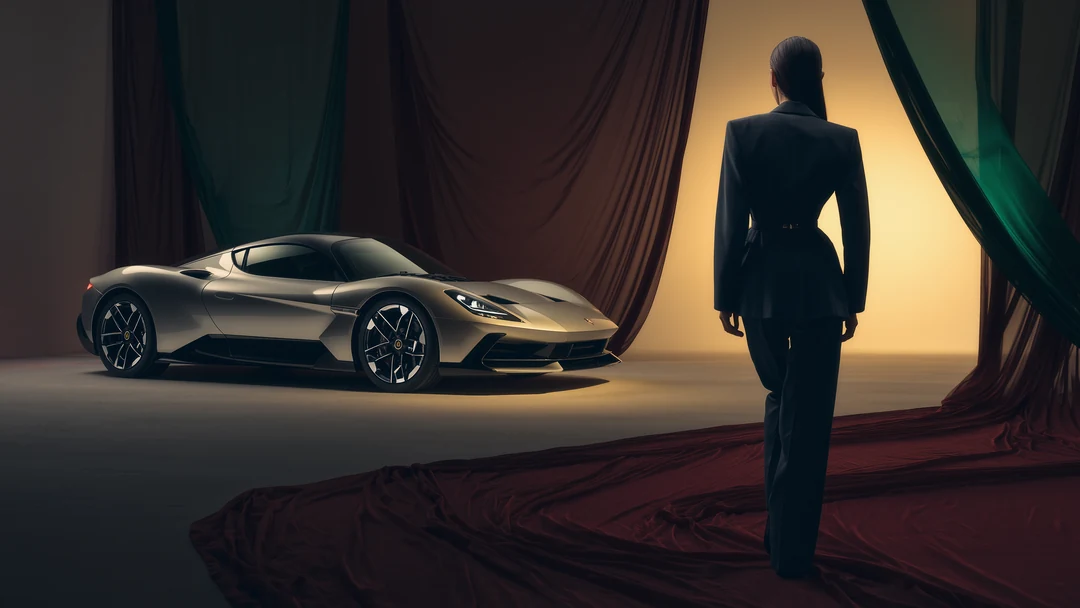
The evolution of supercars is intricately tied to the shifting perceptions of masculinity throughout the decades. In the early 20th century, automobiles were primarily utilitarian, serving as a means of transportation rather than symbols of status or identity. However, as technology advanced and the automotive industry began to flourish, cars transformed into powerful machines that represented freedom, speed, and, importantly, masculinity.
The post-World War II era saw a surge in the production of high-performance vehicles, with brands like Ferrari, Lamborghini, and Porsche emerging as icons of automotive excellence. These vehicles were not just about getting from point A to point B; they became extensions of their owners’ identities, embodying ideals of strength, dominance, and virility. As supercars evolved, so too did the cultural narratives surrounding them.
The 1960s and 1970s marked a pivotal moment in automotive history, with the introduction of models like the Ford Mustang and Chevrolet Corvette. These cars were marketed not just as machines but as embodiments of the American spirit, rebellious, adventurous, and undeniably masculine. The imagery associated with these vehicles often featured rugged men in leather jackets, racing down open highways, reinforcing the notion that owning a supercar was synonymous with embracing a hyper-masculine lifestyle.
This connection between supercars and masculinity has persisted into the modern era, where the latest models continue to evoke feelings of power and prestige.
Key Takeaways
- Supercars have evolved to become a symbol of masculinity, representing power, status, and wealth.
- Technology has played a significant role in shaping the design and performance of modern supercars, further enhancing their association with masculinity.
- The supercar culture has had a profound impact on modern masculinity, influencing perceptions of power, success, and identity.
- The connection between supercars and power is deeply ingrained in modern masculinity, with these vehicles often symbolizing dominance and control.
- Supercars are often used as a means of representing wealth and status, contributing to the perception of masculinity in society.
The Role of Supercars in Defining Masculinity
Supercars play a significant role in defining contemporary masculinity by serving as symbols of achievement and aspiration. For many men, owning a supercar is not merely about possessing a high-performance vehicle; it is about making a statement.
The sleek lines, roaring engines, and cutting-edge technology of supercars create an image of power that resonates deeply with traditional masculine ideals. This connection is further amplified by marketing strategies that target male consumers, often portraying supercar ownership as a rite of passage into manhood. Moreover, supercars have become a means for men to express their individuality and personal style.
In a world where conformity can often overshadow uniqueness, these vehicles allow their owners to stand out from the crowd. The customization options available for supercars enable men to tailor their vehicles to reflect their personalities, whether through color choices, performance modifications, or bespoke interiors. This personalization process reinforces the idea that masculinity is not a monolithic concept but rather a spectrum that can be expressed in various ways through the lens of automotive culture.
The Influence of Technology on Supercars and Masculinity
The rapid advancement of technology has profoundly influenced both supercars and the concept of masculinity associated with them. Modern supercars are equipped with cutting-edge features such as advanced aerodynamics, hybrid powertrains, and sophisticated infotainment systems that enhance performance and driving experience.
Today’s supercar owners are often seen as tech-savvy individuals who appreciate innovation and engineering prowess, aligning their identities with modern masculinity that values intelligence alongside physical strength. Furthermore, technology has transformed how men engage with supercars beyond mere ownership. The rise of social media platforms has created a new avenue for showcasing these vehicles and sharing experiences with a global audience.
Men can now document their journeys behind the wheel, participate in online communities dedicated to automotive enthusiasts, and even influence trends within the supercar culture. This digital landscape allows for a redefinition of masculinity that embraces collaboration and community-building rather than solely focusing on individual achievement. As men share their passion for supercars online, they contribute to a broader conversation about what it means to be masculine in an increasingly interconnected world.
The Impact of Supercar Culture on Modern Masculinity
Supercar culture has had a significant impact on modern masculinity by shaping social norms and expectations surrounding male behavior and identity. The community surrounding supercars often emphasizes values such as competition, performance, and exclusivity. Events like car shows, track days, and meet-ups foster camaraderie among enthusiasts while simultaneously reinforcing traditional masculine traits such as aggression and dominance.
In this environment, men are encouraged to showcase their vehicles’ capabilities and engage in friendly rivalries that can sometimes escalate into more serious competitions. However, this culture is not without its complexities. While supercar ownership can foster a sense of belonging among men, it can also perpetuate toxic aspects of masculinity.
The pressure to own the latest model or achieve higher performance metrics can lead to unhealthy comparisons and feelings of inadequacy among those who may not have access to such resources. Additionally, the emphasis on speed and power can sometimes overshadow other important qualities such as empathy and emotional intelligence. As supercar culture continues to evolve, it faces the challenge of balancing traditional masculine ideals with more progressive notions that embrace vulnerability and inclusivity.
The Connection Between Supercars and Power in Modern Masculinity
The connection between supercars and power is deeply embedded in modern masculinity. Owning a high-performance vehicle is often perceived as a status symbol that conveys authority and influence within social circles. This perception is reinforced by the portrayal of supercars in popular media, films like “The Fast and the Furious” franchise glorify speed and power while showcasing male protagonists who embody hyper-masculine traits.
These narratives create an association between driving fast cars and exerting control over one’s environment, further entrenching the idea that power is an essential component of masculinity. Moreover, the performance capabilities of supercars serve as a tangible representation of power dynamics in society. The ability to accelerate from 0 to 60 mph in mere seconds or navigate sharp turns with precision speaks to an owner’s mastery over their vehicle, a metaphor for control in other aspects of life.
This relationship between supercars and power can also extend into professional realms; men who drive high-end vehicles may be perceived as more competent or successful in their careers. Consequently, the ownership of supercars becomes intertwined with notions of ambition and achievement, reinforcing societal expectations around what it means to be a successful man.
The Representation of Wealth and Status Through Supercars
Supercars are often viewed as representations of wealth and status in contemporary society. The price tags associated with these vehicles can reach astronomical heights, models from brands like Bugatti or Pagani can cost millions of dollars, making them accessible only to a select few. This exclusivity enhances their allure; owning a supercar is not just about having a fast car but also about signaling financial success and social standing.
In many ways, these vehicles serve as modern-day chariots for the affluent, allowing their owners to display their wealth in a manner that is both conspicuous and culturally accepted. The marketing strategies employed by luxury car manufacturers further reinforce this connection between supercars and status. Advertisements often feature glamorous settings, exotic locations, upscale events, or luxurious lifestyles, that evoke feelings of aspiration among potential buyers.
By associating their products with opulence and exclusivity, manufacturers tap into deep-seated desires for recognition and validation within societal hierarchies. This dynamic creates a feedback loop where owning a supercar becomes synonymous with achieving a certain level of success while simultaneously perpetuating societal norms that equate masculinity with financial prowess.
The Relationship Between Supercars and Identity in Modern Masculinity
The relationship between supercars and identity is multifaceted within the context of modern masculinity. For many men, owning a supercar is an expression of self-identity that transcends mere transportation; it becomes an integral part of how they perceive themselves and how they wish to be perceived by others. The choice of vehicle often reflects personal values, whether it be a preference for speed, luxury, or engineering excellence, and serves as a canvas upon which men can project their aspirations and desires.
This connection between identity and vehicle choice highlights how deeply intertwined automotive culture is with personal narratives surrounding masculinity. Additionally, supercars can serve as catalysts for personal transformation or reinvention. Men may find themselves drawn to these vehicles during pivotal moments in their lives, such as career advancements or personal milestones, using them as symbols of newfound confidence or success.
This phenomenon underscores how material possessions can influence self-perception; driving a high-performance car may instill feelings of empowerment or invincibility that align with traditional masculine ideals. However, this reliance on external symbols for self-worth raises questions about authenticity in identity formation, whether true masculinity can be defined by what one owns or if it lies deeper within individual character.
The Future of Supercars and Their Influence on Masculinity
As we look toward the future, the landscape of supercars is poised for significant transformation due to evolving societal values and technological advancements. The rise of electric vehicles (EVs) presents both challenges and opportunities for traditional notions of masculinity associated with supercars. Brands like Tesla have already begun redefining performance standards by offering electric models that rival their gasoline-powered counterparts in speed and handling while promoting sustainability, a value increasingly embraced by younger generations.
This shift may lead to a reimagining of what it means to be masculine in relation to automotive culture; rather than solely focusing on raw power or speed, future narratives may emphasize innovation, environmental consciousness, and responsible ownership. Moreover, as discussions around gender fluidity and inclusivity gain traction within society, the representation of masculinity in supercar culture may also evolve. The traditional archetype of the rugged male driver may give way to more diverse representations that celebrate different expressions of identity within automotive spaces.
This could lead to greater acceptance of varied lifestyles among car enthusiasts, where passion for performance transcends gender norms, and foster communities that prioritize shared interests over rigid definitions of masculinity. In conclusion, while supercars have long been associated with traditional masculine ideals such as power, wealth, and dominance, their future may hold new possibilities for redefining these concepts within contemporary society. As technology advances and cultural narratives shift toward inclusivity and sustainability, the relationship between supercars and masculinity will likely continue to evolve, challenging existing paradigms while creating space for new expressions of identity within automotive culture.
FAQs
What are supercars?
Supercars are high-performance, luxury sports cars that are designed for speed, power, and prestige. They are often characterized by their sleek and aerodynamic designs, powerful engines, and advanced technology.
How do supercars reflect modern masculinity?
Supercars are often associated with traditional masculine traits such as power, speed, and status. The ownership and appreciation of supercars can be seen as a reflection of modern masculinity, as they are often marketed and perceived as symbols of success and dominance.
What are some common features of supercars that reflect modern masculinity?
Common features of supercars that reflect modern masculinity include aggressive styling, high horsepower engines, advanced technology, and a focus on performance and speed. These features are often associated with traditional masculine ideals of strength, power, and control.
Are supercars only associated with masculinity?
While supercars are often associated with traditional masculine traits, it is important to note that anyone can appreciate and enjoy these high-performance vehicles, regardless of gender. The association with masculinity is a result of societal norms and marketing strategies, rather than a reflection of the actual capabilities or appeal of supercars.
How have supercars become linked to masculinity over time?
Does supercar culture have downsides for masculinity?
How might electric vehicles reshape masculinity in supercar culture?
More from Magazine
Future of Supercars – Electric Revolution and Beyond
The future of supercars: Ferrari’s 2025 electric flagship, Porsche’s synthetic eFuel, Rimac’s record-breaking EVs and why the V12 su…
Supercar Technology Innovation Guide – The Future of Performance
Supercar technology guide: how carbon-fiber tubs, active aero, hybrids, dual-clutch gearboxes and software shape performance in the McLaren, Ferrari a…
Supercar Rental Worldwide Guide – Drive Your Dream Car Today
Supercar rental guide: daily rates from $500 to $20,000+, security deposits, insurance rules, top locations worldwide, and track packages explained.…