How Supercars Redefine the Concept of Fun
The concept of supercars has undergone a remarkable transformation since its inception in the mid-20th century. Initially, the term was synonymous with sheer speed and raw power, e…
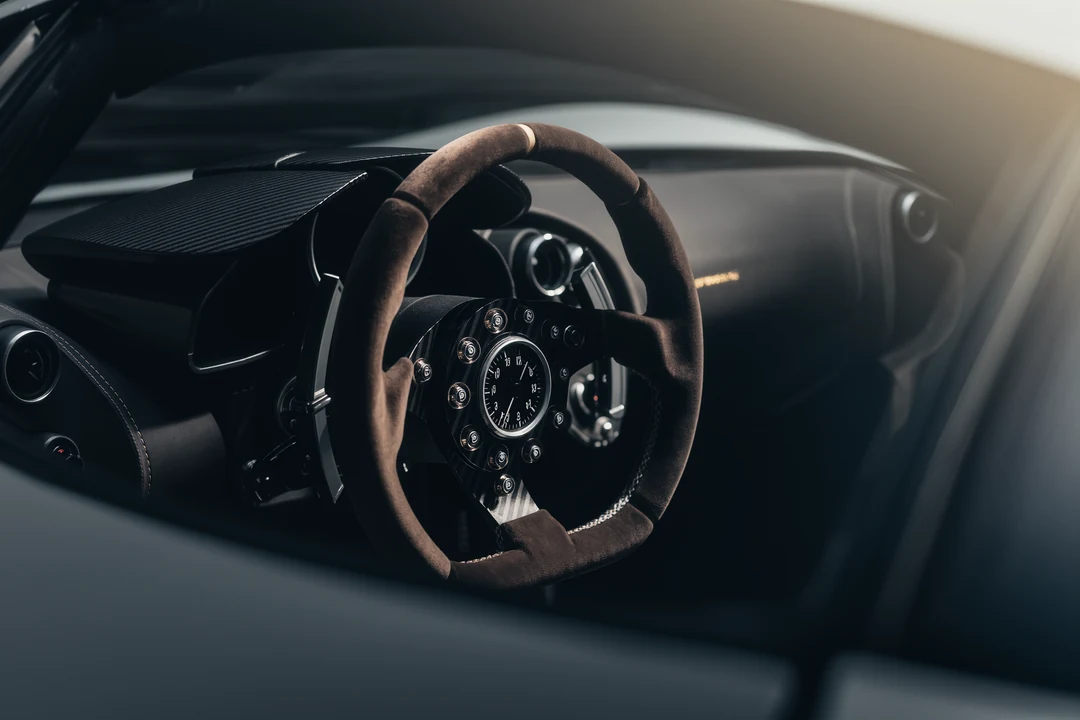
The concept of supercars has undergone a remarkable transformation since its inception in the mid-20th century. Initially, the term was synonymous with sheer speed and raw power, epitomized by iconic models such as the Ferrari 250 GTO and the Lamborghini Miura. These vehicles were designed primarily for performance, boasting powerful engines and lightweight frames that allowed them to achieve breathtaking speeds.
The focus was on engineering excellence, with manufacturers pushing the boundaries of what was mechanically possible. The thrill of acceleration and the roar of the engine became the defining characteristics of these machines, captivating enthusiasts and collectors alike. As the automotive landscape evolved, so too did the definition of what constitutes a supercar.
The modern supercar is not merely a vehicle designed for speed; it is an experience that encompasses design, technology, and driving dynamics. Manufacturers began to recognize that consumers were seeking more than just performance; they wanted a holistic experience that engaged all their senses. This shift led to the integration of advanced aerodynamics, sophisticated suspension systems, and cutting-edge materials, resulting in vehicles that not only excelled on the track but also provided a refined driving experience on public roads.
The likes of the McLaren P1 and the Porsche 918 Spyder exemplify this evolution, blending blistering performance with everyday usability and comfort.
Key Takeaways
- Supercars have evolved from focusing solely on speed to providing a complete driving experience, including comfort, technology, and personalization.
- Driving a supercar offers an unparalleled thrill, with its powerful engine, precise handling, and adrenaline-inducing speed.
- Cutting-edge technology, such as advanced aerodynamics and hybrid powertrains, plays a crucial role in enhancing supercar performance and efficiency.
- Customization and personalization options allow owners to tailor their supercars to their unique tastes and preferences, creating a one-of-a-kind vehicle.
- Supercar interiors are designed to provide luxury, comfort, and elegance, with high-quality materials and advanced features for a premium driving experience.
Unleashing the Power: The Thrill of Driving a Supercar
Driving a supercar is often described as an exhilarating experience that transcends mere transportation. The moment one slips behind the wheel of a high-performance vehicle, a palpable sense of excitement fills the air. The engine’s growl reverberates through the cabin, igniting a primal instinct that beckons drivers to unleash its power.
The acceleration is nothing short of breathtaking; many supercars can go from 0 to 60 mph in under three seconds, a feat that feels almost otherworldly. This instantaneous burst of speed is accompanied by a symphony of mechanical sounds that heighten the sensory experience, making every drive feel like an event. Moreover, the handling characteristics of supercars contribute significantly to the thrill of driving.
Advanced engineering allows these vehicles to corner with precision and stability, providing drivers with an unparalleled connection to the road. The feedback from the steering wheel and chassis creates a sense of confidence that encourages spirited driving. For instance, the Ferrari 488 GTB features a sophisticated electronic differential and adaptive suspension that work in harmony to deliver an engaging driving experience.
This level of responsiveness not only enhances performance but also fosters a deeper emotional connection between driver and machine, making each journey memorable.
Cutting-Edge Technology: The Innovation Behind Supercar Performance
At the heart of every supercar lies a wealth of cutting-edge technology that drives performance to unprecedented levels. Manufacturers invest heavily in research and development to create innovations that enhance speed, handling, and efficiency. One notable advancement is the use of hybrid powertrains, which combine traditional internal combustion engines with electric motors.
This approach not only boosts power output but also improves fuel efficiency and reduces emissions. The Porsche 918 Spyder serves as a prime example, utilizing a 4.6-liter V8 engine paired with two electric motors to deliver an astonishing 887 horsepower while maintaining impressive fuel economy. Aerodynamics also plays a crucial role in supercar performance.
Engineers meticulously design body shapes to minimize drag and maximize downforce, allowing vehicles to maintain stability at high speeds. Active aerodynamics systems, such as those found in the McLaren P1, adjust wing angles and other components in real-time based on driving conditions, optimizing performance dynamically. Additionally, lightweight materials like carbon fiber are extensively used in supercar construction to reduce weight without compromising structural integrity.
This combination of technology and materials results in vehicles that are not only faster but also more agile and responsive.
Customization and Personalization: Tailoring a Supercar to Your Tastes
One of the most appealing aspects of owning a supercar is the opportunity for customization and personalization. Manufacturers recognize that their clientele often seeks to express their individuality through their vehicles, leading to an array of bespoke options that cater to diverse tastes. From unique paint colors to custom interior materials, buyers can tailor every aspect of their supercar to reflect their personal style.
Brands like Aston Martin and Bugatti offer extensive customization programs that allow clients to select everything from stitching patterns to bespoke finishes. Moreover, some manufacturers take personalization a step further by offering exclusive features or limited-edition models that cater to specific preferences. For instance, Pagani is renowned for its meticulous attention to detail and craftsmanship, allowing customers to choose from an extensive palette of materials and finishes for their vehicles.
This level of customization not only enhances the ownership experience but also creates a sense of exclusivity that is highly coveted among collectors and enthusiasts alike. The result is a vehicle that is not just a mode of transportation but a true reflection of its owner’s personality and lifestyle.
Experiencing Luxury: The Comfort and Elegance of Supercar Interiors
While performance is undoubtedly a focal point for supercars, luxury and comfort are equally important considerations in their design. The interiors of modern supercars are meticulously crafted to provide an opulent environment that enhances the driving experience. High-quality materials such as leather, Alcantara, and carbon fiber are commonly used throughout the cabin, creating an atmosphere of sophistication and elegance.
Brands like Lamborghini and Ferrari have elevated interior design to an art form, ensuring that every detail is thoughtfully considered. In addition to aesthetics, modern supercar interiors are equipped with advanced technology that enhances comfort and convenience. Infotainment systems featuring large touchscreens provide seamless connectivity for navigation, music streaming, and communication.
Climate control systems ensure optimal comfort regardless of external conditions, while ergonomic seating designs offer support during spirited driving sessions. For example, the McLaren GT features a spacious cabin with ample storage space, making it suitable for longer journeys without sacrificing performance or style. This blend of luxury and functionality ensures that driving a supercar is not only thrilling but also comfortable for both driver and passengers.
Supercars and Social Status: The Symbolism of Owning a High-Performance Vehicle
Owning a supercar often transcends mere passion for automobiles; it serves as a powerful symbol of social status and success. In many cultures, high-performance vehicles are associated with wealth, achievement, and exclusivity. The act of purchasing a supercar can be seen as a statement about one’s lifestyle and aspirations.
For instance, models like the Bugatti Chiron or Lamborghini Aventador are not just vehicles; they represent a lifestyle marked by luxury and prestige. The social implications of supercar ownership extend beyond personal satisfaction; they often influence perceptions within social circles. Individuals who own such vehicles may find themselves part of an elite community where shared interests foster connections among enthusiasts.
Events like car shows or track days provide opportunities for owners to showcase their vehicles while networking with like-minded individuals. This sense of belonging can enhance one’s social standing, reinforcing the idea that supercars are not merely machines but symbols of identity and status.
Supercars as Investments: Understanding the Value and Resale Potential
In addition to their allure as high-performance machines, supercars have increasingly been viewed as investment opportunities. Certain models appreciate significantly over time due to their rarity, historical significance, or unique features.
For example, classic models like the Ferrari F40 or Porsche 959 have seen substantial increases in value over the years, making them sought-after assets among collectors. However, investing in supercars requires careful consideration and knowledge of market trends. Factors such as brand reputation, model desirability, and condition play crucial roles in determining resale value.
Additionally, maintaining proper documentation and service history can enhance a vehicle’s appeal to potential buyers. Enthusiasts who approach supercar ownership with an investment mindset often find themselves navigating a complex landscape where passion intersects with financial acumen.
The Future of Supercars: Anticipating the Next Generation of High-Performance Vehicles
As we look toward the future of supercars, several trends are poised to shape the next generation of high-performance vehicles. One significant development is the increasing emphasis on sustainability within the automotive industry. With growing concerns about environmental impact, manufacturers are exploring hybrid and fully electric powertrains that deliver impressive performance while reducing carbon footprints.
Brands like Rimac Automobili are leading this charge with electric hypercars that challenge traditional notions of speed and power. Additionally, advancements in autonomous driving technology may influence how supercars are designed and experienced in the future. While many enthusiasts cherish the thrill of manual driving, there is potential for hybrid systems that allow for both autonomous capabilities and driver engagement.
This duality could redefine what it means to own a supercar, blending cutting-edge technology with traditional driving experiences. Furthermore, connectivity will play an increasingly vital role in future supercars. As vehicles become more integrated with digital ecosystems, features such as real-time performance monitoring and remote diagnostics will enhance ownership experiences while providing valuable insights into vehicle performance.
The next generation of supercars promises not only to push boundaries in terms of speed and handling but also to redefine luxury through technology-driven experiences that cater to evolving consumer preferences. In summary, the evolution of supercars reflects broader changes in consumer expectations and technological advancements within the automotive industry. From their origins as symbols of speed to their current status as multifaceted experiences encompassing luxury, performance, and innovation, supercars continue to captivate enthusiasts around the world while paving the way for future developments in high-performance vehicles.
FAQs
What is a supercar?
A supercar is a high-performance and luxury sports car that typically has a powerful engine, advanced technology, and a sleek and aerodynamic design. These cars are known for their exceptional speed, acceleration, and handling.
How do supercars redefine the concept of fun?
Supercars redefine the concept of fun by offering exhilarating driving experiences with their high-speed capabilities, precise handling, and advanced technology. They provide a sense of thrill and excitement that is unmatched by regular cars, making them a popular choice for car enthusiasts and thrill-seekers.
What are some examples of popular supercars?
Some examples of popular supercars include the Lamborghini Aventador, Ferrari 488 GTB, McLaren 720S, Porsche 911 GT3, and Aston Martin DBS Superleggera. These cars are known for their exceptional performance, luxurious features, and iconic designs.
What makes supercars different from regular sports cars?
Supercars are different from regular sports cars in terms of their higher performance capabilities, advanced technology, and luxurious features. They often have more powerful engines, faster acceleration, and superior handling, as well as a higher price tag compared to regular sports cars.
More from Magazine
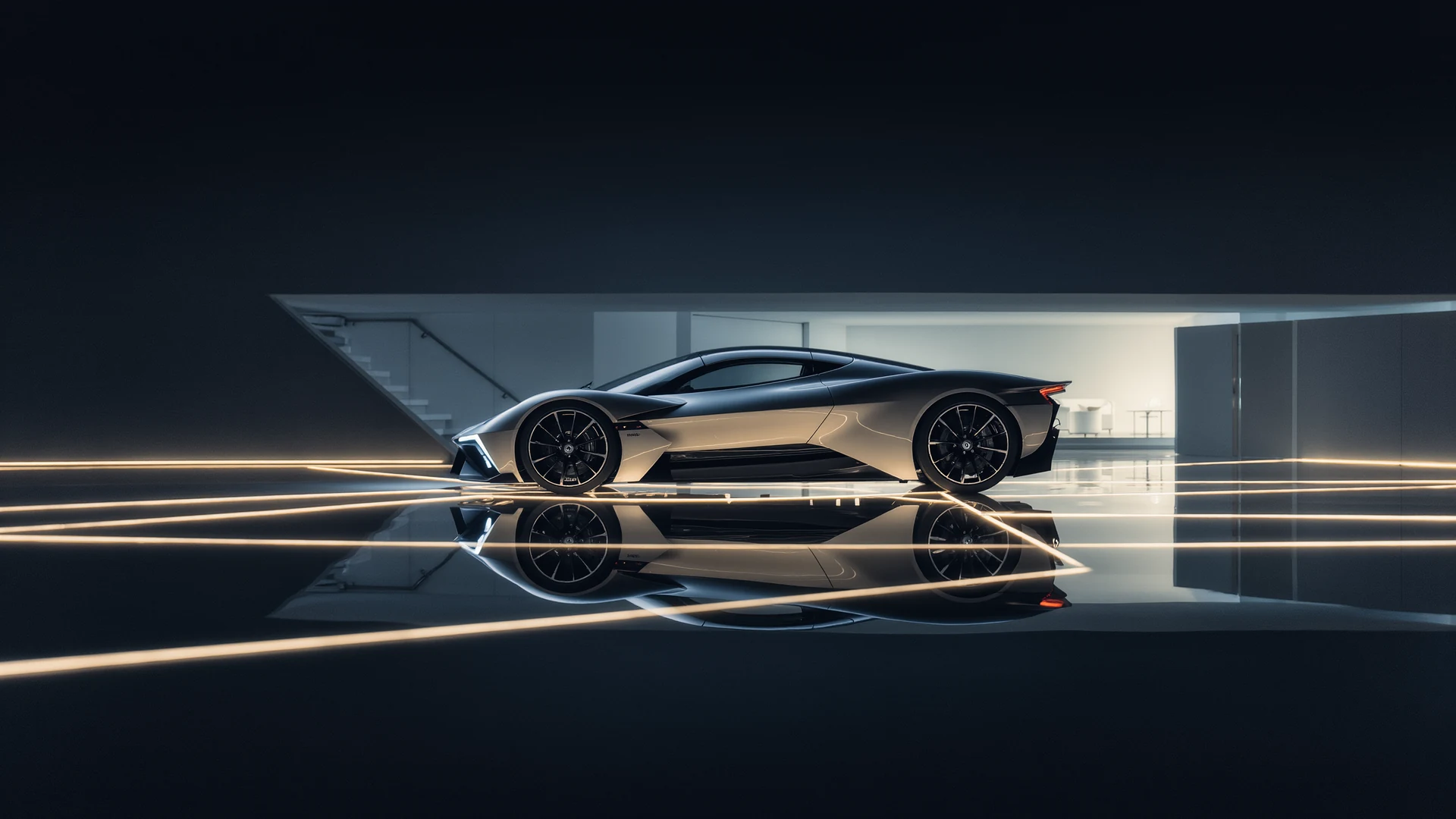
Future of Supercars – Electric Revolution and Beyond
The future of supercars: Ferrari’s 2025 electric flagship, Porsche’s synthetic eFuel, Rimac’s record-breaking EVs and why the V12 su…
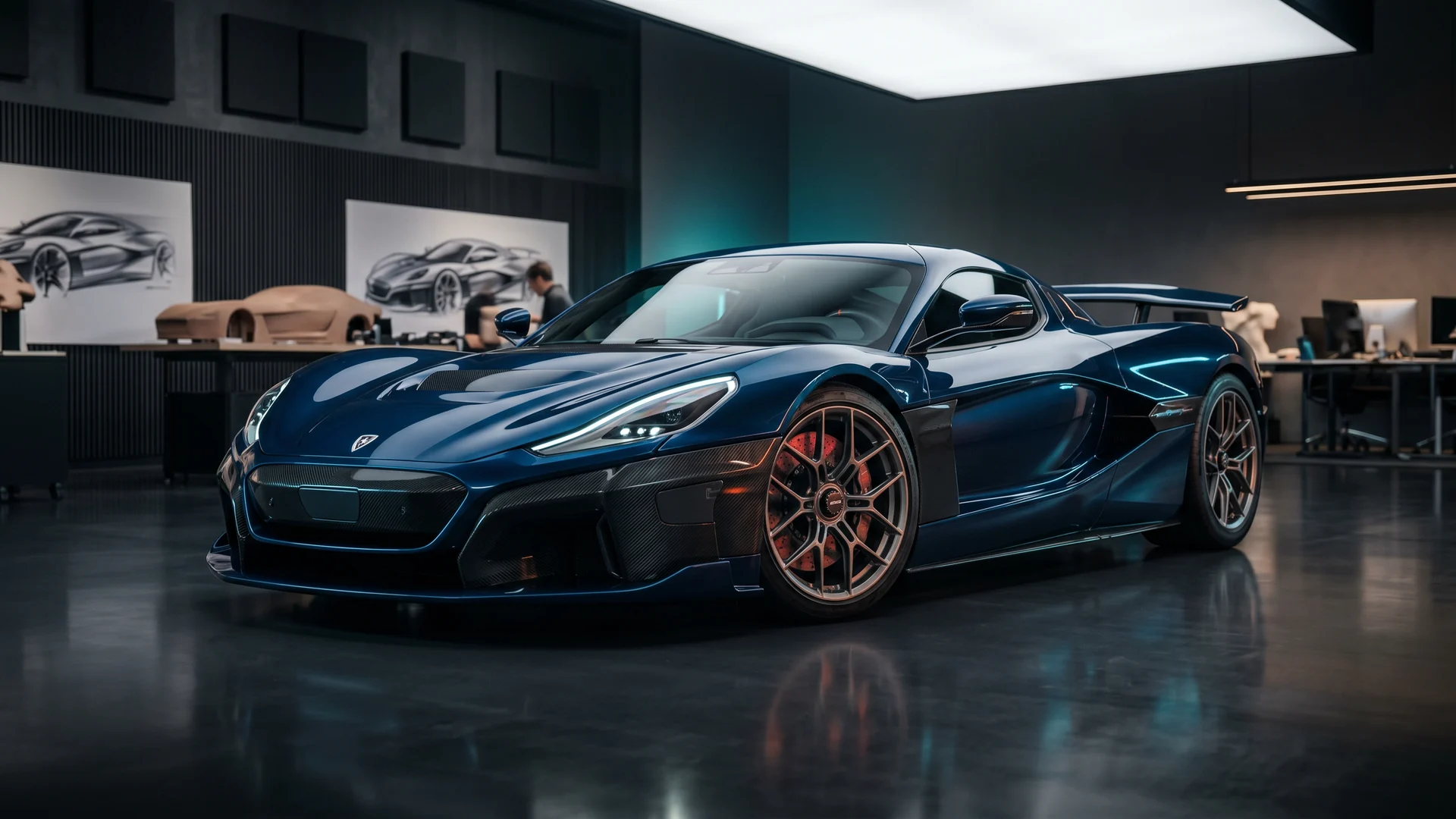
Supercar Technology Innovation Guide – The Future of Performance
Supercar technology guide: how carbon-fiber tubs, active aero, hybrids, dual-clutch gearboxes and software shape performance in the McLaren, Ferrari a…

Supercar Rental Worldwide Guide – Drive Your Dream Car Today
Supercar rental guide: daily rates from $500 to $20,000+, security deposits, insurance rules, top locations worldwide, and track packages explained.…