How Supercars Influence Real Estate Choices
Luxury has always held a magnetic appeal, drawing individuals toward a lifestyle characterized by opulence, exclusivity, and sophistication. This allure is not merely about the pos…
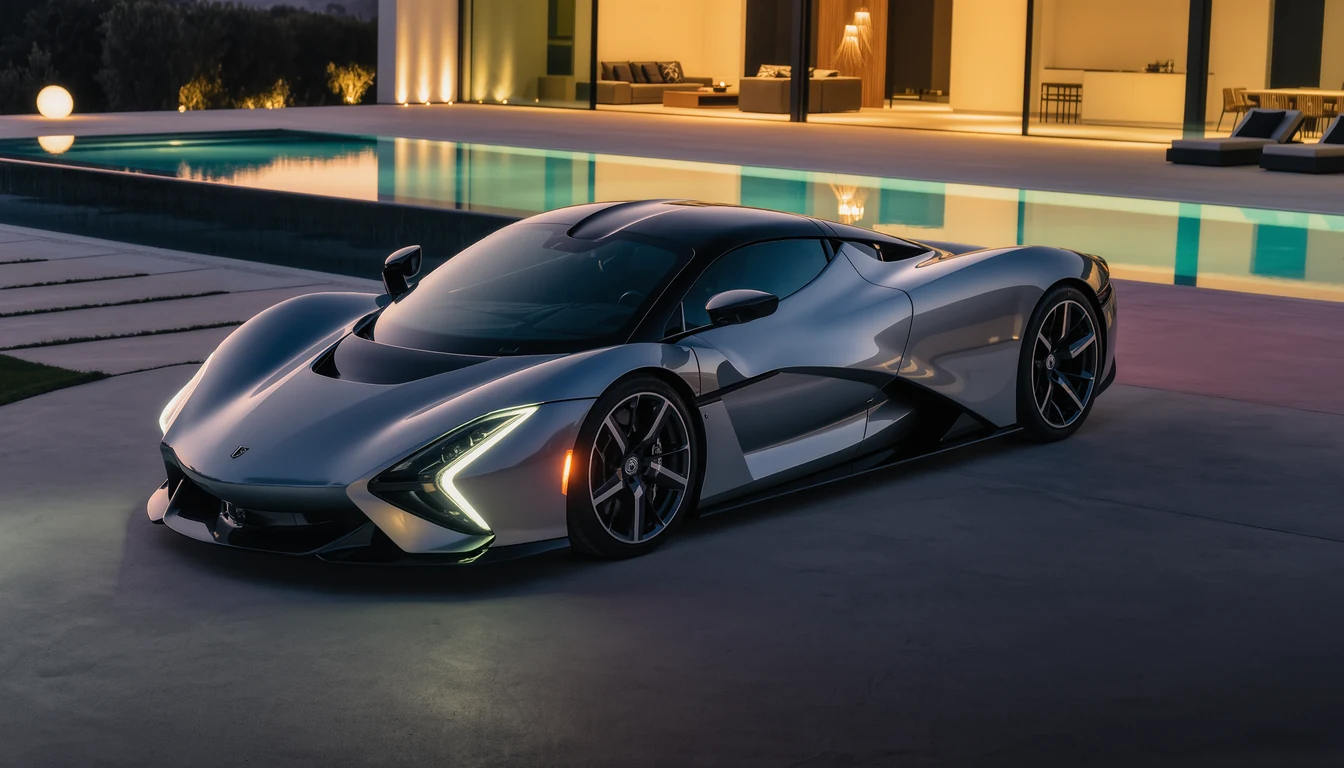
Luxury has always held a magnetic appeal, drawing individuals toward a lifestyle characterized by opulence, exclusivity, and sophistication. This allure is not merely about the possession of high-end goods; it encompasses a broader experience that includes exceptional service, unique craftsmanship, and an overall sense of indulgence. The luxury market thrives on the promise of an elevated lifestyle, where every detail is meticulously curated to provide comfort and pleasure.
From designer fashion to gourmet dining, luxury is often synonymous with quality and prestige, creating an aspirational image that many strive to attain. The allure of luxury extends beyond material possessions; it is also about the experiences that come with them. High-end travel, exclusive events, and personalized services contribute to a lifestyle that feels extraordinary.
For instance, luxury resorts offer not just lavish accommodations but also bespoke experiences tailored to individual preferences, such as private yacht charters or personal chefs. This emphasis on personalization enhances the allure of luxury, making it not just a status symbol but a way of life that promises unique and memorable experiences. As consumers increasingly seek out these exceptional experiences, the luxury market continues to evolve, adapting to new trends and desires while maintaining its core appeal.
Key Takeaways
- Luxury is alluring due to its exclusivity, quality, and superior craftsmanship
- Luxury items serve as status symbols and convey prestige to their owners
- Luxury properties can significantly impact property values in a neighborhood
- The development of luxury infrastructure can attract high net worth individuals to a neighborhood
- Supercar-friendly infrastructure and luxury garage spaces are becoming increasingly important in real estate development for high net worth individuals
Status symbol and prestige
In contemporary society, luxury items often serve as status symbols, representing wealth and social standing. The ownership of high-end brands, be it a designer handbag, a luxury watch, or a supercar, signals not only financial capability but also a certain lifestyle choice that is admired by many. This phenomenon is deeply rooted in human psychology; people are naturally inclined to seek validation through external markers of success.
Luxury goods provide a tangible way to communicate one’s achievements and aspirations to others, reinforcing social hierarchies and personal identity. The prestige associated with luxury items can also create a sense of belonging within exclusive circles. For example, owning a limited-edition supercar can grant access to elite automotive clubs and events where like-minded individuals gather to share their passion for high-performance vehicles.
These gatherings often foster connections that extend beyond mere ownership; they create communities built around shared interests and values. The social dynamics at play in these environments highlight how luxury serves not only as a personal indulgence but also as a means of forging relationships and enhancing one’s social capital.
Impact on property values
The presence of luxury amenities and high-end properties can significantly influence real estate values in a given area. Neighborhoods that boast upscale features, such as gourmet restaurants, designer boutiques, and exclusive fitness centers, tend to attract affluent buyers willing to pay a premium for the lifestyle these amenities offer. As demand for such properties increases, so too do their values, creating a ripple effect that can elevate the entire neighborhood’s real estate market.
This phenomenon is particularly evident in urban areas where luxury developments are strategically positioned to cater to high-net-worth individuals seeking both convenience and prestige. Moreover, the integration of luxury features into residential properties can further enhance their marketability. Homes equipped with smart technology, high-end finishes, and eco-friendly designs appeal to discerning buyers who prioritize both aesthetics and functionality.
For instance, properties with expansive outdoor spaces designed for entertaining or those featuring state-of-the-art home theaters can command higher prices due to their desirability. As developers recognize the potential for increased property values through luxury enhancements, they are increasingly investing in high-quality materials and innovative designs that cater to affluent buyers’ tastes.
Influence on neighborhood development
The development of luxury properties often acts as a catalyst for broader neighborhood transformation. When high-end residential projects are introduced into an area, they can stimulate economic growth by attracting new businesses and services tailored to the affluent demographic. This influx of investment can lead to the revitalization of previously underdeveloped neighborhoods, resulting in improved infrastructure, enhanced public spaces, and increased employment opportunities.
As luxury developments set new standards for quality and design, they can inspire surrounding properties to elevate their offerings as well. Additionally, the presence of luxury developments can shift the cultural landscape of a neighborhood.
This transformation can create a vibrant community atmosphere that appeals not only to wealthy individuals but also to those seeking an enriched lifestyle experience. However, this gentrification process can also lead to tensions between long-time residents and newcomers, as rising property values may displace lower-income families and alter the character of the neighborhood.
Attracting high net worth individuals
High-net-worth individuals (HNWIs) are increasingly drawn to areas that offer both luxury living and an array of lifestyle amenities. These individuals often seek out locations that provide not only exquisite homes but also access to exclusive services such as private schools, fine dining establishments, and high-end retail options. Cities like Miami, New York City, and Los Angeles have become magnets for HNWIs due to their vibrant cultural scenes and luxurious offerings.
The competition among cities to attract this demographic has led to significant investments in infrastructure and amenities designed specifically for affluent residents. Moreover, the appeal of tax incentives in certain regions can further entice HNWIs to relocate or invest in luxury properties. States like Florida and Texas have become popular destinations due to their lack of state income tax, making them financially attractive for wealthy individuals looking to preserve their wealth while enjoying a luxurious lifestyle.
This trend has prompted local governments to enhance their offerings, such as improving public services and investing in cultural initiatives, to create an environment that is not only appealing but also conducive to attracting and retaining high-net-worth residents.
Supercar-friendly infrastructure
As the supercar culture continues to flourish among affluent individuals, the need for supercar-friendly infrastructure has become increasingly apparent. This includes not only well-maintained roads capable of accommodating high-performance vehicles but also specialized facilities such as car storage units and service centers equipped to handle the unique needs of supercars.
For instance, some urban areas are developing dedicated driving routes that showcase scenic landscapes while providing an exhilarating driving experience for supercar enthusiasts. These routes often feature well-paved roads with minimal traffic congestion, allowing drivers to fully appreciate the performance capabilities of their vehicles. Additionally, luxury car dealerships are expanding their services to include exclusive driving events and track days where owners can test their cars in controlled environments.
This focus on supercar-friendly infrastructure not only enhances the ownership experience but also positions cities as desirable destinations for automotive enthusiasts.
The rise of luxury garage spaces
As supercar ownership becomes more prevalent among affluent individuals, the demand for luxury garage spaces has surged. These specialized storage facilities cater specifically to high-end vehicles, offering climate-controlled environments designed to protect cars from environmental damage while providing security features that ensure their safety. Luxury garage spaces are often equipped with advanced technology such as surveillance systems and biometric access controls, giving owners peace of mind regarding their valuable investments.
Moreover, these garage spaces are increasingly being integrated into residential developments as part of the overall luxury offering. High-end condominiums and gated communities are now incorporating dedicated parking areas designed specifically for supercars, complete with features like car lifts and charging stations for electric models. This trend reflects a growing recognition of the importance of vehicle storage in the luxury real estate market; buyers are not only looking for exquisite homes but also for spaces that accommodate their prized automotive collections.
The future of real estate and supercar culture
The intersection of real estate and supercar culture is poised for continued evolution as both markets adapt to changing consumer preferences and technological advancements. As electric vehicles gain traction among affluent buyers, luxury real estate developments will likely incorporate charging infrastructure into their designs, catering to environmentally conscious consumers who still desire high-performance vehicles. This shift may also influence architectural designs as developers seek innovative ways to integrate sustainable practices while maintaining the luxurious appeal that attracts high-net-worth individuals.
Furthermore, the rise of digital platforms for buying and selling luxury properties is transforming how real estate transactions occur within this niche market. Virtual reality tours and online marketplaces allow potential buyers to explore properties from anywhere in the world while showcasing their automotive collections through digital galleries. As technology continues to reshape both real estate and supercar culture, we can expect an increasingly interconnected landscape where luxury living seamlessly integrates with automotive passion, creating new opportunities for investment and lifestyle enhancement in the years ahead.
FAQs
What is the influence of supercars on real estate choices?
Supercars can influence real estate choices by attracting buyers who are interested in luxury and high-end living. Properties located in areas with a high concentration of supercar owners or near prestigious car events may see an increase in demand and property values.
How do supercars impact property values?
The presence of supercars in a neighborhood can elevate the prestige and exclusivity of the area, leading to an increase in property values. Luxury properties located in close proximity to supercar dealerships, clubs, or racing tracks may experience higher demand and appreciation.
What are the factors that make supercars influential in real estate choices?
Factors that make supercars influential in real estate choices include the association with luxury and high status, the potential for social networking and community engagement within supercar circles, and the appeal of living in close proximity to high-end automotive amenities and events.
Do supercars influence the development of luxury real estate projects?
Yes, the presence of supercars in a particular area can influence developers to create luxury real estate projects that cater to the needs and preferences of supercar enthusiasts. This may include features such as private garages, car elevators, and proximity to supercar-related amenities.
How do supercars impact the desirability of a neighborhood?
Supercars can enhance the desirability of a neighborhood by adding an element of luxury and exclusivity. The presence of supercar dealerships, clubs, and events can attract affluent buyers who are interested in high-end living, thereby increasing the demand for properties in the area.
More from Magazine
Future of Supercars – Electric Revolution and Beyond
The future of supercars: Ferrari’s 2025 electric flagship, Porsche’s synthetic eFuel, Rimac’s record-breaking EVs and why the V12 su…
Supercar Technology Innovation Guide – The Future of Performance
Supercar technology guide: how carbon-fiber tubs, active aero, hybrids, dual-clutch gearboxes and software shape performance in the McLaren, Ferrari a…

Supercar Rental Worldwide Guide – Drive Your Dream Car Today
Supercar rental guide: daily rates from $500 to $20,000+, security deposits, insurance rules, top locations worldwide, and track packages explained.…