How Supercars Influence Modern Luxury Culture
The concept of supercars has undergone a remarkable transformation over the past few decades, evolving from niche performance vehicles into symbols of modern luxury culture. Initia…
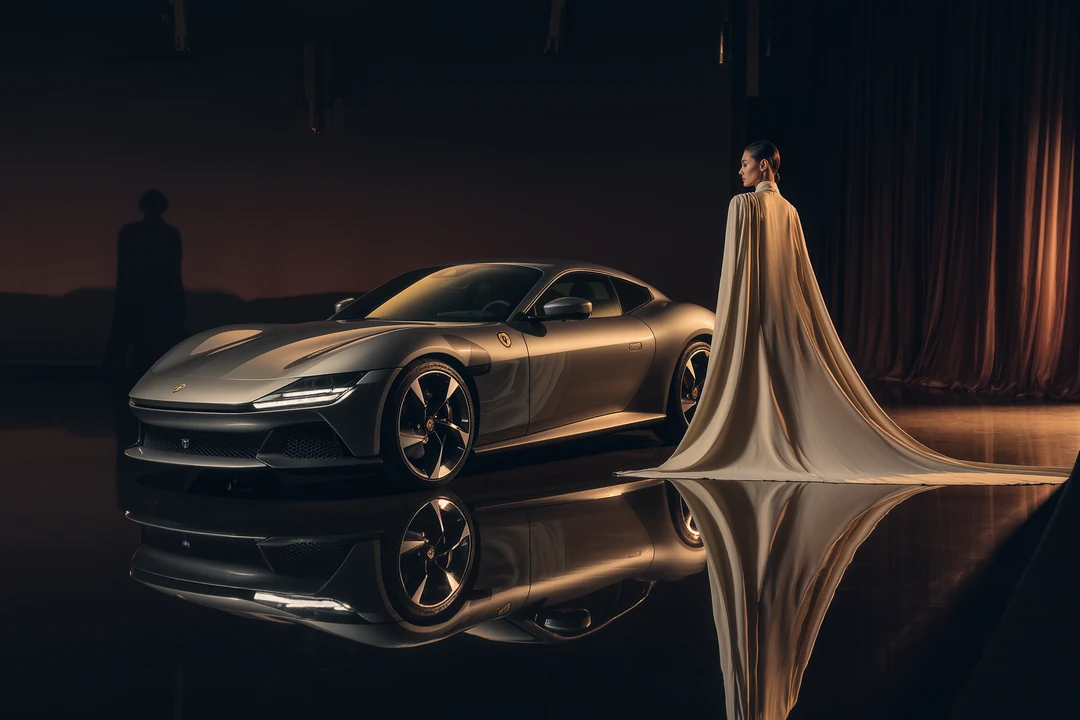
The concept of supercars has undergone a remarkable transformation over the past few decades, evolving from niche performance vehicles into symbols of modern luxury culture. Initially, supercars were defined by their raw power and speed, with manufacturers like Ferrari and Lamborghini leading the charge in the 1960s and 1970s. These early models, such as the Ferrari 250 GTO and the Lamborghini Miura, were not just about performance; they were also about exclusivity and craftsmanship.
The allure of these vehicles was rooted in their ability to deliver an exhilarating driving experience while simultaneously serving as a canvas for artistic design. As automotive technology advanced, so too did the capabilities of supercars, leading to a new era where performance was complemented by luxury features and cutting-edge technology. In the 21st century, the supercar has become a multifaceted icon within luxury culture.
Brands like McLaren, Bugatti, and Pagani have emerged, pushing the boundaries of engineering and design. The introduction of hybrid technology and electric powertrains has further revolutionized the supercar landscape, with models like the McLaren P1 and the Rimac C_Two showcasing how sustainability can coexist with high performance. This evolution reflects a broader cultural shift towards environmental consciousness while maintaining the aspirational qualities that supercars embody.
Today’s supercars are not merely machines; they are statements of identity, reflecting the values and aspirations of their owners in an increasingly competitive luxury market.
Key Takeaways
- Supercars have evolved to become a symbol of luxury and status in modern culture, reflecting advancements in technology and design.
- The impact of supercars on fashion and design is evident in the sleek and aerodynamic lines that inspire high-end clothing and accessories.
- Supercars serve as status symbols in contemporary society, representing wealth, power, and exclusivity for their owners.
- The influence of supercar technology has trickled down to everyday consumer vehicles, leading to advancements in performance and design.
- Supercars play a significant role in high-end lifestyle experiences, offering exclusive and thrilling driving experiences for enthusiasts.
The Impact of Supercars on Fashion and Design
Supercars have significantly influenced fashion and design, creating a symbiotic relationship between automotive engineering and aesthetic expression. The sleek lines and aerodynamic shapes of these vehicles have inspired designers across various industries, from haute couture to industrial design. Fashion houses often draw inspiration from the bold colors and innovative materials used in supercar construction, leading to collections that echo the spirit of speed and luxury.
For instance, brands like Versace and Gucci have incorporated automotive themes into their runway shows, showcasing garments that reflect the dynamic energy associated with high-performance vehicles. Moreover, collaborations between automotive manufacturers and fashion designers have become increasingly common. The partnership between Lamborghini and fashion designer Giambattista Valli is a prime example, where the designer created a limited-edition collection inspired by the aesthetics of Lamborghini’s flagship models.
This crossover not only elevates the status of both brands but also reinforces the idea that supercars are not just vehicles; they are integral to a lifestyle that values innovation, creativity, and exclusivity. The impact of supercars on fashion extends beyond mere aesthetics; it shapes consumer behavior and influences trends within luxury markets.
Supercars as Status Symbols in Contemporary Society
In contemporary society, supercars have solidified their status as potent symbols of wealth and success. Owning a supercar is often seen as a definitive marker of affluence, with models like the Bugatti Chiron or the Ferrari LaFerrari commanding prices that can exceed several million dollars. This exclusivity is further amplified by limited production runs, ensuring that only a select few can claim ownership of these extraordinary machines.
The visibility of supercars in popular culture, through films, music videos, and social media, has only heightened their desirability, making them aspirational objects for many. The phenomenon of social media has transformed how supercars are perceived as status symbols. Platforms like Instagram and TikTok allow owners to showcase their vehicles to a global audience, creating a digital culture where luxury is constantly on display.
Influencers and celebrities often share their experiences with supercars, reinforcing their allure as symbols of success. This visibility not only enhances the prestige associated with owning such vehicles but also creates a competitive environment among enthusiasts who seek to differentiate themselves through their automotive choices. In this context, supercars transcend mere transportation; they become integral to personal branding and social identity.
The Influence of Supercar Technology on Everyday Consumer Vehicles
The technological advancements pioneered by supercar manufacturers have had a profound impact on everyday consumer vehicles. Innovations initially developed for high-performance models often trickle down to mainstream automotive production, enhancing safety, efficiency, and driving experience for the average consumer. For instance, technologies such as adaptive cruise control, advanced aerodynamics, and lightweight materials were first seen in supercars before becoming standard features in more accessible vehicles.
This transfer of technology illustrates how the pursuit of performance can lead to broader improvements across the automotive industry. Moreover, the rise of electric supercars has catalyzed a shift towards electrification in consumer vehicles. Brands like Tesla have taken cues from the performance benchmarks set by traditional supercar manufacturers, demonstrating that electric powertrains can deliver exhilarating speed without compromising on sustainability.
The Tesla Model S Plaid, for example, showcases how electric vehicles can achieve supercar-like acceleration while appealing to environmentally conscious consumers. As automakers continue to innovate in response to consumer demand for greener alternatives, the influence of supercar technology will likely shape the future landscape of everyday driving experiences.
Supercars and their Role in High-End Lifestyle Experiences
Supercars are not merely vehicles; they are integral components of high-end lifestyle experiences that encompass luxury travel, exclusive events, and bespoke services. Many luxury resorts and hotels offer supercar rentals as part of their concierge services, allowing guests to explore scenic routes in style. For instance, destinations like Monaco or the Amalfi Coast have become synonymous with supercar culture, attracting affluent travelers who seek both adventure and opulence.
These experiences are often curated to provide an immersive encounter with luxury, combining breathtaking landscapes with the thrill of driving a high-performance vehicle. Additionally, events such as the Goodwood Festival of Speed or Pebble Beach Concours d’Elegance celebrate not only the engineering marvels of supercars but also their role in fostering community among enthusiasts. These gatherings provide opportunities for networking among affluent individuals who share a passion for automotive excellence.
The exclusivity of such events enhances their appeal, creating an environment where supercar owners can showcase their prized possessions while enjoying camaraderie with like-minded individuals. In this way, supercars contribute to a lifestyle that values not just material wealth but also shared experiences and connections.
Supercars and their Influence on Luxury Travel and Tourism
The influence of supercars extends into the realm of luxury travel and tourism, where they serve as both attractions and facilitators of unique experiences. High-end travel agencies often curate bespoke itineraries that include driving experiences in exotic locations, allowing travelers to immerse themselves in both culture and performance driving. For example, companies like Ultimate Driving Tours offer packages that combine scenic drives through picturesque landscapes with stays at luxury accommodations, creating an unforgettable experience for automotive enthusiasts.
Moreover, destinations known for their automotive heritage, such as Maranello in Italy or Stuttgart in Germany, have capitalized on supercar culture to attract tourists. These locations often feature museums, factory tours, and driving experiences that allow visitors to engage with iconic brands firsthand. The Ferrari Museum in Maranello not only showcases the brand’s storied history but also offers driving experiences that allow fans to get behind the wheel of their dream cars.
This intersection of tourism and automotive passion highlights how supercars can enhance travel experiences by providing unique opportunities for exploration and adventure.
The Role of Supercars in Art and Entertainment
Supercars have transcended their mechanical origins to become significant cultural artifacts within art and entertainment. Their striking designs and engineering prowess have inspired artists across various mediums, from sculpture to film, creating a rich tapestry of cultural references that celebrate automotive excellence. Renowned artists like Andy Warhol have immortalized iconic models through their work, elevating these vehicles to symbols of modernity and consumer culture.
Iconic films such as “The Italian Job” or “Fast & Furious” franchise prominently feature high-performance vehicles that become integral to the narrative. These films not only showcase thrilling car chases but also reinforce the cultural significance of supercars as symbols of freedom, rebellion, and adventure.
The portrayal of these vehicles in popular media contributes to their mystique and desirability, further embedding them into contemporary culture.
The Future of Supercars in Shaping Modern Luxury Culture
As we look toward the future, supercars will continue to play a pivotal role in shaping modern luxury culture amidst evolving consumer preferences and technological advancements. The increasing focus on sustainability is likely to drive further innovation within the supercar segment, with manufacturers exploring alternative powertrains that align with environmental goals while maintaining performance standards. Electric hypercars are already making waves in this regard, suggesting that future iterations will blend eco-friendliness with exhilarating driving experiences.
Moreover, advancements in connectivity and automation will redefine what it means to own a supercar.
As consumer expectations evolve towards personalization and bespoke experiences, manufacturers will need to adapt by offering customizable options that cater to individual tastes and lifestyles.
In conclusion, the evolution of supercars reflects broader trends within luxury culture, where performance meets artistry, technology intersects with lifestyle aspirations, and exclusivity defines social status. As these vehicles continue to evolve alongside societal changes, they will undoubtedly remain at the forefront of modern luxury culture for years to come.
FAQs
What is a supercar?
A supercar is a high-performance and luxury sports car that is typically expensive and exclusive. These cars are known for their exceptional speed, power, and advanced engineering.
How do supercars influence modern luxury culture?
Supercars influence modern luxury culture by setting trends in design, technology, and performance. They often serve as a status symbol and are associated with wealth, luxury, and exclusivity.
What impact do supercars have on the automotive industry?
Supercars drive innovation in the automotive industry by pushing the boundaries of engineering, design, and performance. Many of the advanced technologies and materials used in supercars eventually trickle down to mainstream vehicles.
Why are supercars considered a status symbol?
Supercars are considered a status symbol due to their high price, limited production, and association with luxury and exclusivity. Owning a supercar is often seen as a symbol of wealth, success, and prestige.
How do supercars influence the design of other luxury products?
Supercars often inspire the design of other luxury products, such as watches, fashion, and accessories. The sleek lines, advanced materials, and attention to detail seen in supercars can influence the aesthetics of various luxury items.
How have supercars shaped modern luxury culture?
How do supercars influence fashion and design?
What role does social media play in supercars as status symbols?
More from Magazine
Future of Supercars – Electric Revolution and Beyond
The future of supercars: Ferrari’s 2025 electric flagship, Porsche’s synthetic eFuel, Rimac’s record-breaking EVs and why the V12 su…
Supercar Technology Innovation Guide – The Future of Performance
Supercar technology guide: how carbon-fiber tubs, active aero, hybrids, dual-clutch gearboxes and software shape performance in the McLaren, Ferrari a…
Supercar Rental Worldwide Guide – Drive Your Dream Car Today
Supercar rental guide: daily rates from $500 to $20,000+, security deposits, insurance rules, top locations worldwide, and track packages explained.…