How Supercars Create Stories That Last Forever
The term “supercar” has evolved significantly since its inception, reflecting the rapid advancements in automotive technology and design. Initially, the label was reser…

The term “supercar” has evolved significantly since its inception, reflecting the rapid advancements in automotive technology and design. Initially, the label was reserved for a select few high-performance vehicles that combined speed, power, and luxury. The 1960s and 1970s marked a pivotal era in the evolution of supercars, with models like the Lamborghini Miura and the Ferrari 250 GTO setting new benchmarks for performance and aesthetics.
These vehicles were not merely about raw horsepower; they represented a fusion of art and engineering, captivating enthusiasts and collectors alike. The Miura, often hailed as the first true supercar, introduced a mid-engine layout that would become a defining characteristic of the genre, allowing for improved handling and weight distribution. As the decades progressed, the definition of supercars expanded to include a broader range of vehicles that pushed the boundaries of speed and technology.
The 1980s saw the emergence of iconic models such as the Ferrari F40 and the Porsche 959, both of which showcased cutting-edge engineering and aerodynamics. The F40, in particular, was notable for its lightweight construction and turbocharged V8 engine, achieving a top speed of over 200 mph. This era also witnessed the introduction of all-wheel drive systems, which enhanced traction and stability, further elevating the performance capabilities of supercars.
By the turn of the millennium, manufacturers began to embrace advanced materials like carbon fiber and aluminum, leading to even lighter and more powerful vehicles.
Key Takeaways
- Supercars have evolved from high-performance versions of regular cars to purpose-built, cutting-edge machines with advanced technology and aerodynamics.
- Iconic supercar brands like Ferrari, Lamborghini, and Porsche have become synonymous with luxury, speed, and innovation, shaping the industry and captivating enthusiasts worldwide.
- Supercars have left a lasting impact on popular culture, appearing in movies, music, and fashion, and becoming a symbol of wealth, power, and aspiration.
- Legendary races like the 24 Hours of Le Mans and iconic moments like the McLaren F1’s top speed record have solidified supercars as symbols of automotive excellence and achievement.
- The enduring appeal of supercar design lies in their sleek, aerodynamic shapes, powerful engines, and luxurious interiors, captivating enthusiasts and collectors for generations.
The Birth of Iconic Supercar Brands
The landscape of supercars is dotted with brands that have become synonymous with performance and luxury. Lamborghini, founded in 1963 by Ferruccio Lamborghini, emerged as a direct competitor to Ferrari, aiming to create high-performance vehicles that were equally luxurious. The introduction of the Countach in the 1970s not only solidified Lamborghini’s reputation but also redefined automotive design with its sharp angles and scissor doors.
This model became an icon in its own right, influencing countless designs in the years to come. The brand’s commitment to innovation and performance has continued with models like the Aventador and Huracán, which showcase cutting-edge technology while maintaining the flamboyant styling that Lamborghini is known for. Ferrari, on the other hand, has a storied history that dates back to 1939 when Enzo Ferrari founded Auto Avio Costruzioni.
The brand’s early success in motorsport laid the groundwork for its dominance in the supercar segment. The introduction of models like the 288 GTO and later the F50 and LaFerrari exemplified Ferrari’s relentless pursuit of performance. Each model not only pushed technological boundaries but also served as a testament to Ferrari’s racing heritage.
The brand’s ability to blend performance with exclusivity has made it a benchmark for other manufacturers, establishing a legacy that continues to influence new entrants into the supercar market.
The Impact of Supercars on Popular Culture
Supercars have transcended their automotive roots to become cultural icons, influencing fashion, music, and film. Their sleek designs and blistering performance have made them a staple in Hollywood blockbusters, often symbolizing wealth and power. Films like “The Italian Job” and “Fast & Furious” have featured supercars prominently, showcasing their speed and agility in thrilling chase scenes.
Moreover, supercars have found their way into popular music as well. Artists often reference these high-performance machines in their lyrics or feature them in music videos, further embedding them into contemporary culture.
The association between supercars and luxury lifestyle has made them a recurring theme in hip-hop and pop music, where they symbolize success and achievement. This cultural significance has led to an increase in demand for supercars among younger generations who view them as symbols of status and aspiration.
The Legendary Races and Moments in Supercar History
The history of supercars is intertwined with legendary races that have tested their limits and showcased their capabilities. Events like the 24 Hours of Le Mans and the Monaco Grand Prix have served as proving grounds for manufacturers looking to establish their dominance in performance engineering. The 1966 Le Mans race is particularly noteworthy; it marked a historic moment when Ford’s GT40 triumphed over Ferrari after years of rivalry.
Another significant moment occurred during the 1980s when Group B rallying took center stage. This era saw manufacturers like Audi and Lancia pushing the boundaries of performance with vehicles that were not only fast but also incredibly advanced for their time.
The Audi Quattro revolutionized all-wheel drive technology, demonstrating how supercars could adapt to various terrains while maintaining blistering speeds. These races not only showcased the capabilities of supercars but also fostered a spirit of competition that continues to inspire manufacturers today.
The Enduring Appeal of Supercar Design
The design of supercars is a crucial aspect that contributes to their allure. From aerodynamic shapes to striking color palettes, every element is meticulously crafted to evoke emotion and admiration. The use of cutting-edge materials such as carbon fiber not only enhances performance but also allows for more intricate designs that were previously unattainable.
For instance, the McLaren P1 features an aggressive stance with sharp lines that emphasize its aerodynamic efficiency while exuding an aura of sophistication. Moreover, supercar design often incorporates elements from motorsport, resulting in vehicles that are not only visually stunning but also functionally superior. The active aerodynamics seen in models like the Bugatti Chiron allow for real-time adjustments based on speed and driving conditions, enhancing both performance and stability.
This blend of form and function is what sets supercars apart from regular sports cars; they are not just machines but works of art that reflect the pinnacle of automotive engineering.
The Influence of Supercars on Automotive Technology
Supercars have long been at the forefront of automotive technology, serving as testbeds for innovations that eventually trickle down to more mainstream vehicles. Technologies such as turbocharging, hybrid powertrains, and advanced suspension systems were first developed for high-performance models before becoming standard features in everyday cars. For example, the introduction of turbocharging in models like the Porsche 911 Turbo revolutionized how power was delivered in sports cars, allowing for smaller engines to produce greater output without sacrificing efficiency.
The rise of hybrid technology is another area where supercars have led the charge. The Porsche 918 Spyder and Ferrari LaFerrari showcased how hybrid systems could enhance performance while reducing emissions. These vehicles demonstrated that it was possible to achieve incredible speed without compromising environmental responsibility.
As manufacturers continue to explore electric powertrains, supercars are likely to play a pivotal role in shaping the future of automotive technology by pushing boundaries and challenging conventional wisdom.
The Bond Between Supercars and Their Owners
The relationship between supercars and their owners often transcends mere ownership; it becomes a passionate bond rooted in shared experiences and emotions. For many enthusiasts, owning a supercar is not just about possessing a high-performance vehicle; it represents a lifelong dream realized through dedication and hard work. This emotional connection is often reflected in car clubs and communities where owners gather to share their passion for these extraordinary machines.
Moreover, the experience of driving a supercar is unlike any other; it offers an exhilarating rush that few other activities can match. The roar of a finely-tuned engine, the precision handling through winding roads, and the sheer acceleration create moments that are etched into memory. Many owners cherish these experiences, often taking their vehicles on road trips or participating in track days where they can fully appreciate their cars’ capabilities.
This bond is further strengthened by events such as car shows or charity rallies where owners come together to celebrate their shared love for supercars.
The Future of Supercars and Their Legacy
As we look toward the future, supercars are poised to undergo significant transformations driven by technological advancements and changing consumer preferences. The shift towards electrification is already evident, with manufacturers investing heavily in electric powertrains that promise to deliver unprecedented performance while addressing environmental concerns. Brands like Rimac are leading this charge with electric hypercars that boast staggering acceleration figures while maintaining sustainability at their core.
Despite these changes, the essence of what makes a supercar will likely remain intact: an unwavering commitment to performance, design, and innovation. As new players enter the market alongside established brands, competition will continue to fuel advancements that push boundaries further than ever before. The legacy of supercars will endure as they evolve into new forms while retaining their status as symbols of aspiration and engineering excellence.
Enthusiasts will continue to celebrate these remarkable machines for their ability to inspire awe and ignite passion across generations.
FAQs
What makes a supercar different from a regular car?
A supercar is a high-performance sports car that is designed for speed, power, and luxury. These cars are often limited in production, have advanced engineering and technology, and are built with high-quality materials.
What are some examples of famous supercars?
Some famous supercars include the Bugatti Veyron, Lamborghini Aventador, Ferrari LaFerrari, McLaren P1, and the Porsche 911 GT2 RS.
How do supercars create stories that last forever?
Supercars create stories that last forever through their iconic designs, record-breaking performance, and their ability to evoke emotions and memories in car enthusiasts. These cars often become symbols of innovation and engineering excellence, leaving a lasting legacy in the automotive world.
What are some common features of supercars?
Common features of supercars include powerful engines, lightweight construction, aerodynamic designs, advanced suspension systems, and luxurious interiors. These features contribute to the exceptional performance and driving experience of supercars.
Why are supercars considered a status symbol?
Supercars are considered a status symbol due to their high price tags, limited production numbers, and association with luxury and exclusivity. Owning a supercar is often seen as a symbol of wealth, success, and a passion for high-performance vehicles.
More from Magazine
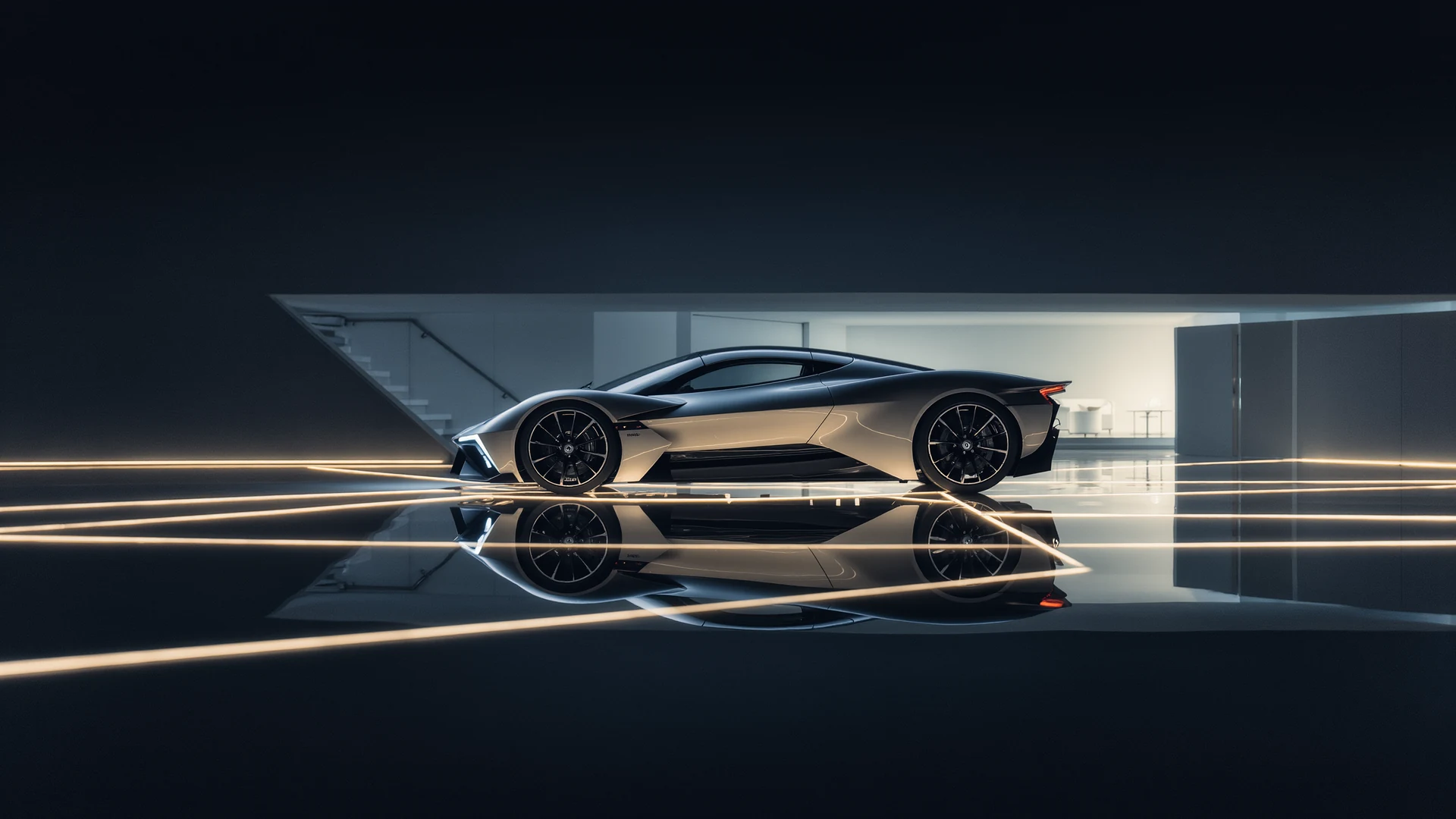
Future of Supercars – Electric Revolution and Beyond
The future of supercars: Ferrari’s 2025 electric flagship, Porsche’s synthetic eFuel, Rimac’s record-breaking EVs and why the V12 su…
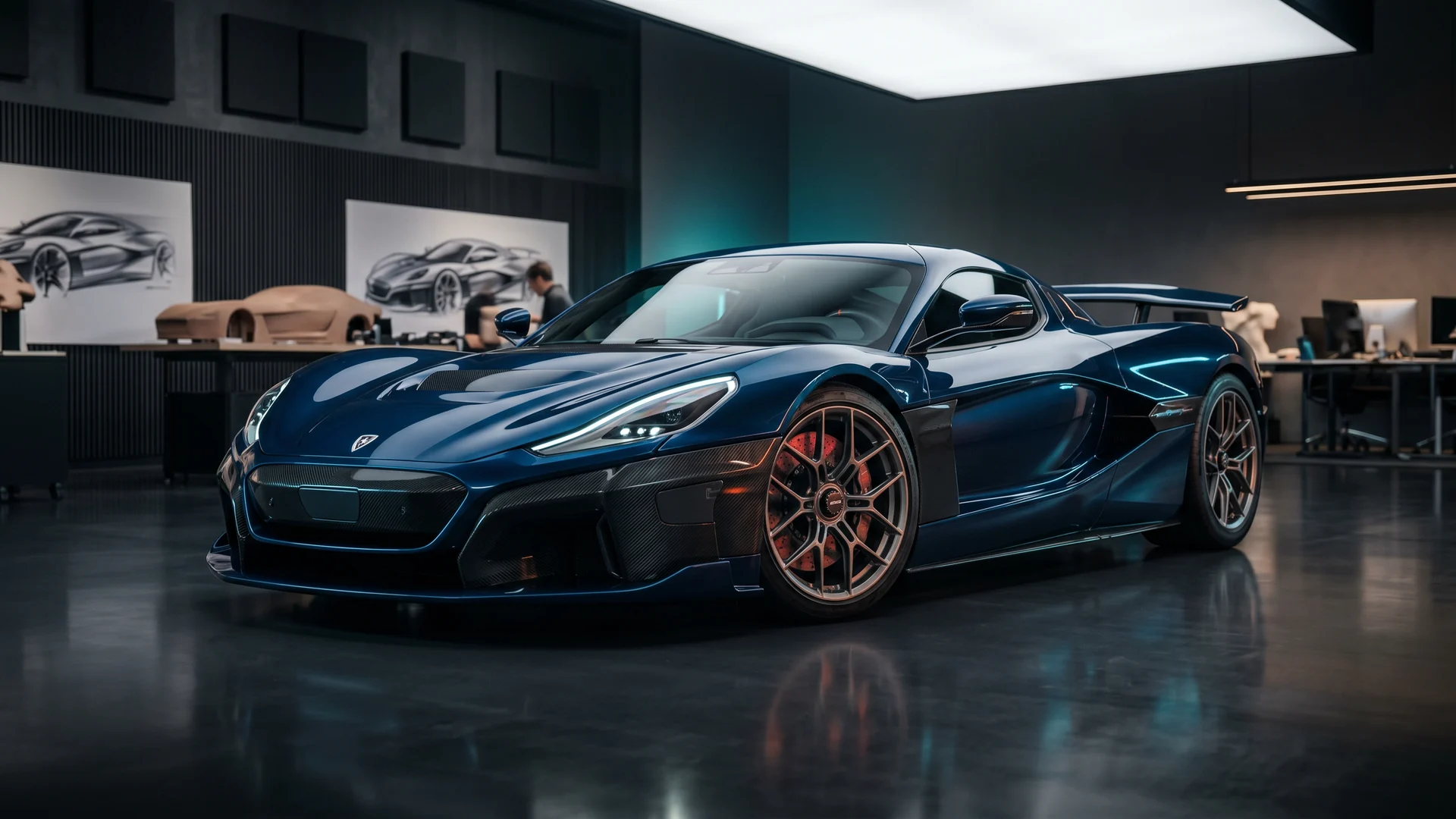
Supercar Technology Innovation Guide – The Future of Performance
Supercar technology guide: how carbon-fiber tubs, active aero, hybrids, dual-clutch gearboxes and software shape performance in the McLaren, Ferrari a…
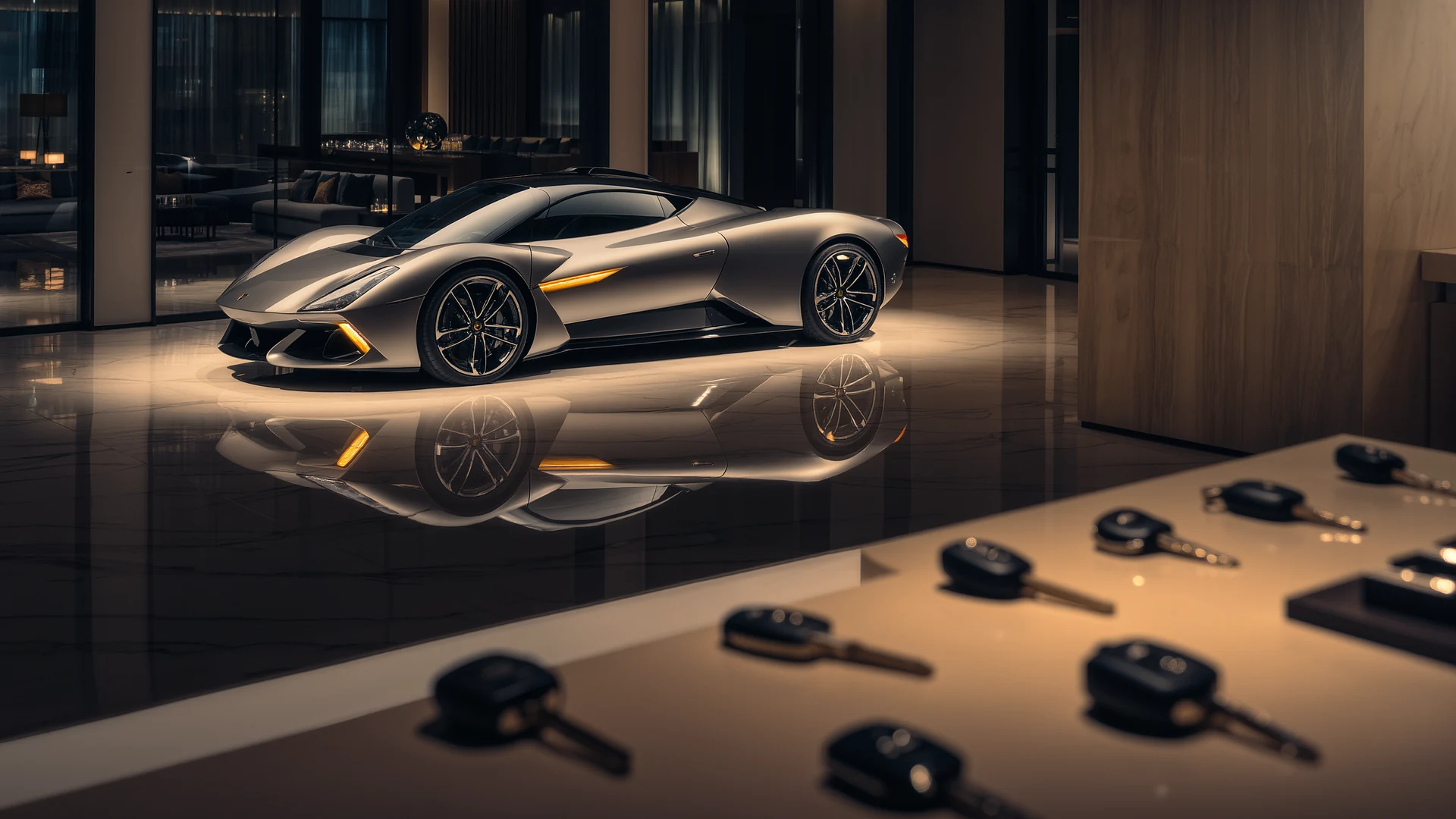
Supercar Rental Worldwide Guide – Drive Your Dream Car Today
Supercar rental guide: daily rates from $500 to $20,000+, security deposits, insurance rules, top locations worldwide, and track packages explained.…